What’s the weather like in Budapest? Guide for the 4 seasons

Planning a trip to Budapest but unsure when to go? Not sure what to pack? Good news – you’re in the right place. In this guide, we’ll walk you through everything you need to know about Budapest’s weather: seasons, monthly breakdown, what to wear, and what to do – all from a practical, friendly, local perspective.
- • Budapest experiences a true four-season continental climate, meaning you will see very distinct changes between warm, sunny summers and cold, potentially snowy winters.
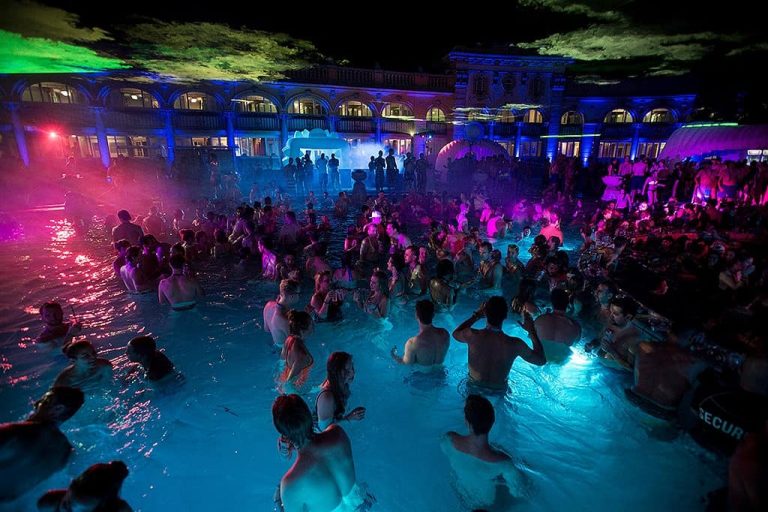
- • Summer (June-August) is the hottest and most popular time to visit, with temperatures often exceeding 30°C (86°F), perfect for outdoor baths and open-air ruin bars.
- • Winter (December-February) is cold, often hovering around freezing (0°C/32°F). However, the city is magical during this time due to the world-class Christmas markets.
Budapest has a continental climate, which means you’ll experience four very distinct seasons: cold winters, hot summers, and unpredictable but beautiful springs and autumns. The weather can change quickly – but with a little planning, you’ll be ready for anything.
Spring in Budapest (March–May) – Average temperatures, moderate rain, sunny days rise
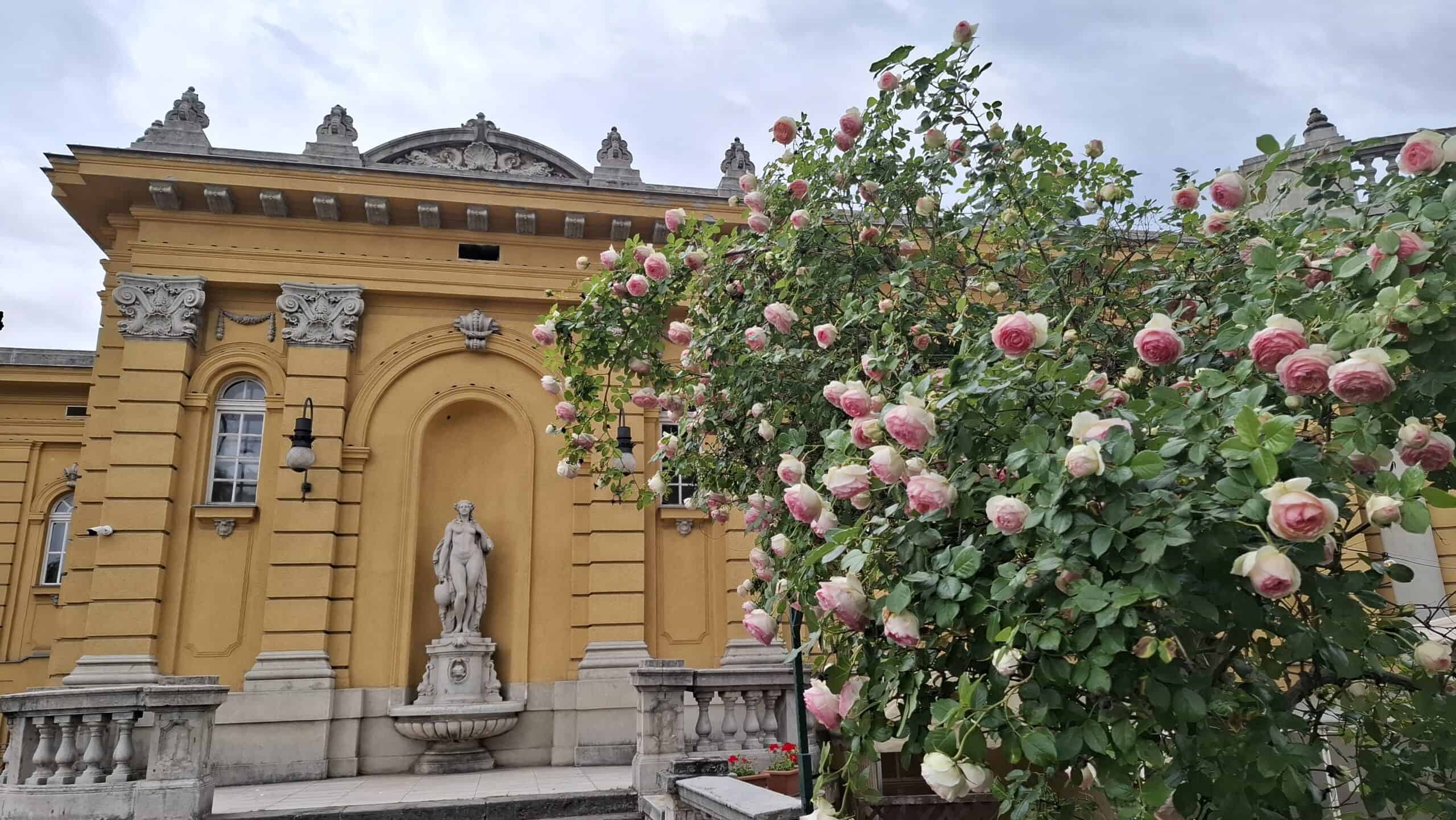
Spring is one of the most beautiful times to visit Budapest. The parks bloom, the city wakes up, and open-air cafés and terraces start to fill with locals and travelers. Just don’t let the sunshine fool you: March can still be chilly, and April is famously unpredictable – sunny mornings can turn into rainy afternoons in a flash.
- Average temperatures:
- March: 5–12°C (41–54°F)
- April: 8–17°C (46–63°F)
- May: 12–22°C (54–72°F)
- What to pack: A mid-weight jacket, layers, umbrella or raincoat, waterproof shoes
- Top spring activities:
- Strolls in Margaret Island or City Park (Városliget)
- Picnics on Gellért Hill
- Walk on Tóth Árpád promenade in Buda Castle district offers stunning views over the city and is lined with beautifully blooming trees
- Sunset river cruises on the Danube

Summer in Budapest (June–August) – High temperatures, thunderstorms at night
Budapest summers are vibrant, buzzing, and yes – hot. It’s festival season, the Danube is full of life, and the city comes alive with outdoor events. However, heatwaves are not uncommon, with temperatures soaring well above 30°C (86°F). Warning: the sun can be very strong. Sudden thunderstorms and showers may roll in, especially in the evenings.
- Average temperatures:
- June: 16–26°C (61–79°F)
- July: 18–29°C (64–84°F)
- August: 18–28°C (64–82°F)
- What to pack: Light, breathable clothes, sunglasses, sunblock, hat
- Top summer activities:
- Relaxing at Palatinus or Római beach baths
- Rooftop bars (try 360 Bar!)
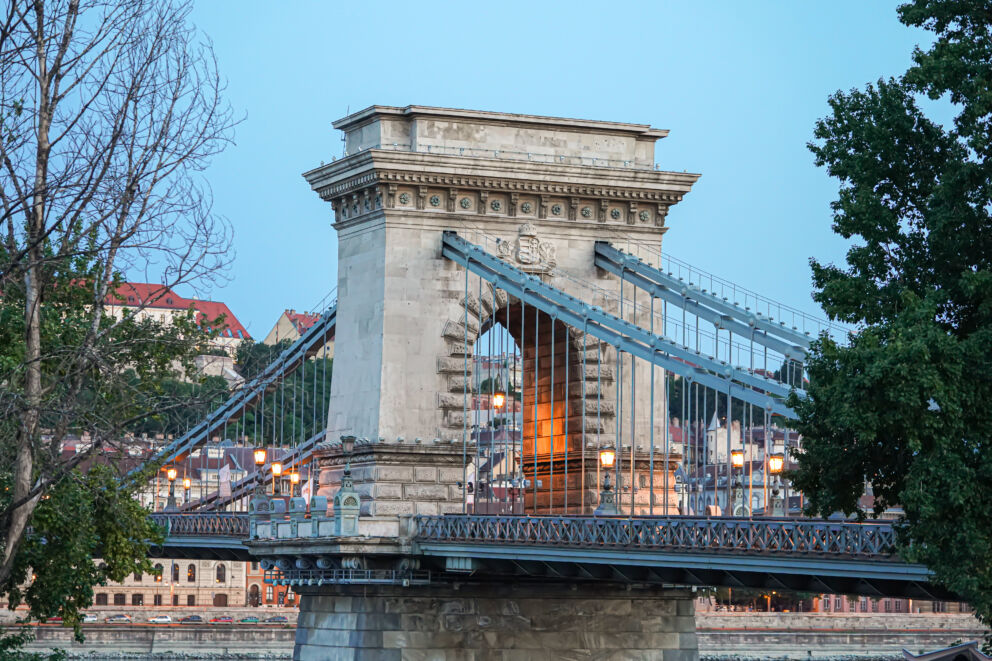
- Evening walks along the Parliament and Chain Bridge
- Hiking in Buda Hills
Temperature record:
The highest temperature ever recorded in Budapest was 40.7°C (105.3°F) on August 8, 2007.

Autumn in Budapest (September–November) – Cooler days, average sun, low nights
If you prefer milder weather and fewer crowds, autumn might be the perfect time with its light clouds. September often feels like a mellow extension of summer with some showers, while October paints the city in warm, golden colors. By November, the air becomes cooler and damper, but Budapest’s cozy charm remains.
- Average temperatures:
- September: 14–23°C (57–73°F)
- October: 10–16°C (50–61°F)
- November: 4–10°C (39–50°F)
- What to pack: Light jacket, warm sweaters, waterproof shoes
- Top autumn activities:
- Riding the scenic tram line 2 along the Danube
- Hiking in the Buda Hills (Normafa, Hármashatár-hegy)
- Cozying up in a historic café (like the famous New York Café)
Winter in Budapest (December–February) – Low temperatures, short days, cold nights
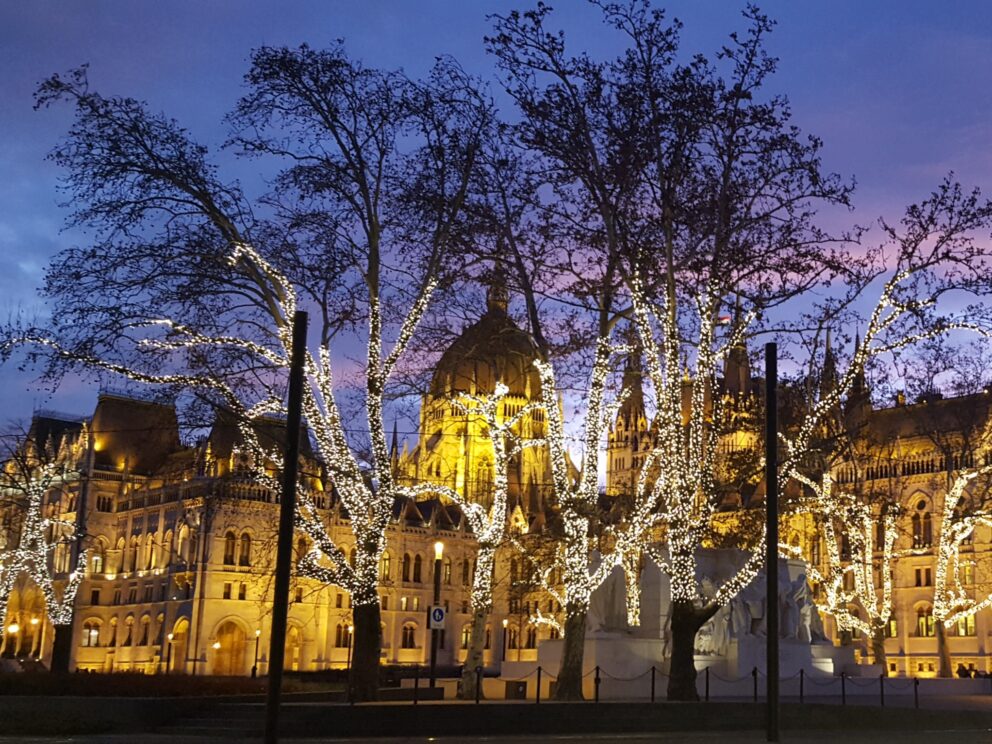
Winter is cold and sometimes snowy, but it’s also magical, especially during the holiday season. Think Christmas markets, mulled wine, thermal spas with steam rising into the frosty air – and fewer tourists, too.
- Average temperatures:
- December: 0–5°C (32–41°F)
- January: -2–3°C (28–37°F)
- February: 0–6°C (32–43°F)
- What to pack: Heavy winter coat, gloves, hat, scarf
- Top winter activities:
- Christmas markets at Vörösmarty Square
- Soaking in Széchenyi or Gellért thermal baths
- Museums and galleries on cold days
- Try to catch the Light Tram (Christmas decorated tram)
Snowfall record:
Budapest’s heaviest recorded snowfall was 46 cm (18 inches) in a single day on March 15, 1940. While recent winters are milder, snow still falls nearly every year, especially from late December to February.
Budapest weather month-by-month
| Month | Min–Max (°C) | Min–Max (°F) | Rain Chances | What to Expect |
|---|---|---|---|---|
| January | -3 / 3 | 27 / 37 | Low | Cold, frosty |
| February | -1 / 6 | 30 / 43 | Low | Cold, drier |
| March | 2 / 12 | 36 / 54 | Variable | Early spring |
| April | 6 / 17 | 43 / 63 | Moderate | Rainy but fresh |
| May | 11 / 22 | 52 / 72 | Moderate | Blooming and mild |
| June | 15 / 26 | 59 / 79 | Low | Warm and sunny |
| July | 18 / 29 | 64 / 84 | Low | Often hot |
| August | 18 / 28 | 64 / 82 | Variable | Hot, with storms |
| September | 14 / 23 | 57 / 73 | Moderate | Summer’s tail |
| October | 9 / 16 | 48 / 61 | Variable | Golden autumn |
| November | 4 / 10 | 39 / 50 | Moderate | Damp and cool |
| December | 0 / 5 | 32 / 41 | Low | Winter magic |
Rainfall record:
The wettest day on record in Budapest saw 132 mm (5.2 inches) of rain on July 10, 1979 – though that’s a rare event. Average monthly rainfall is between 30–70 mm (1.2–2.8 inches).
When’s the best time to visit Budapest?
It depends on what kind of experience you’re looking for!
- Spring (April–June): Best weather for walking and sightseeing
- Summer (July–August): Festivals, nightlife, outdoor fun – but prepare for heat
- Autumn (September–October): Beautiful colors, fewer crowds
- Winter (December): Magical holiday vibes and steaming spas
If you’re looking to save on flights and accommodation, consider February or November – less busy, and Budapest still offers plenty to enjoy indoors.
Final thoughts: come prepared, enjoy more
Budapest is a city that welcomes visitors in every season – each with its own vibe, charm, and things to discover. Just remember to check the forecast, pack smart, and be flexible with your plans.
Because whether the sun is shining or the snow is falling, Budapest is always worth the trip.
Frequently Asked Questions
Is it rainy in Budapest during the fall?
Autumn is actually one of the driest and most pleasant seasons to visit Budapest. September and October average only 5 to 7 rainy days per month with crisp daytime temperatures between 15°C and 22°C (59°F–72°F). November brings cooler air (7°C–11°C) and occasional light showers, so packing a waterproof jacket and layered clothing is recommended.
When is the best time of year to visit Budapest?
The shoulder seasons of late Spring (May) and early Autumn (September) are considered the best times to visit. The weather is warm, perfect for walking and sightseeing, and the massive summer tourist crowds are absent.
Does it snow in Budapest during winter?
Yes, it can snow in Budapest, typically between December and February. However, heavy, lasting snowfall is becoming less common. When it does snow, the panoramic view of Buda Castle covered in white from across the river is spectacular.
What should I pack for a summer trip to Budapest?
Summers in Budapest are hot and often humid. Pack light, breathable clothing, very comfortable walking shoes, and definitely a swimsuit for the thermal baths. A light umbrella is also smart, as sudden, brief summer thunderstorms are common.