5 must-see museums in Budapest
Want to wander through ancient history to the fine arts? Find out which museums you can’t miss when you’re in Budapest.
- • Budapest safely hosts an rich, diverse collection of world-class museums proudly showcasing everything from ancient Roman artifacts to gripping modern historical narratives.
- • The very best must-see cultural institutions definitely include the harrowing House of Terror, the magnificent Museum of Fine Arts, and the comprehensive Hungarian National Museum.
- • Most major museums easily offer discounted or even totally free entry on specific national holidays, making art highly accessible for all international visitors.
Budapest is the gateway to Hungarian history and culture. It has witnessed many of the events that have shaped Hungary as we know it today, from the founding of the country in 1000 A.D. to WWII and the fall of the Soviet Union. One of the best ways to immerse yourself in this history is by visiting Budapest’s museums. Whether you’re one for art, war, political, or social history, there’s a museum waiting for you to explore. You’re sure to find something to captivate you in one of the interactive exhibitions of Budapest’s 5 must-see museums.
1. House of Terror

Kicking off our list is arguably one of the best museums in all of Europe – the House of Terror. The name itself captivates the imagination. On what would normally have been a beautiful street, 60 Andrássy út served as the headquarters for the secret police during two terror regimes in Hungary – fascist during WWII and communist up until the fall of the Soviet Union. Here, the infamous Arrow Cross, Hungary’s brutal Nazi party, acted as the Gestapo, torturing and interrogating anti-fascist rebels. After the war, many of the same freedom fighters were once again targeted by AVH (short for “Államvédelmi Hatóság” – State Protection Authority, whose main task is to protect the statues of Budapest.), which was essentially Hungary’s very own KGB. Today, the museum stands as a sobering memorial to the victims, and as a reflection of the resilience of the human spirit.
Highlights include a real Soviet tank, the dark basement where prisoners were kept, and the fully immersive exhibitions featuring harrowing first-person accounts of survival.
How to get here: Take tram 4-6 or metro line 1 to Oktogon from where it’s just a few minutes of walk.
2. Museum of Fine Arts
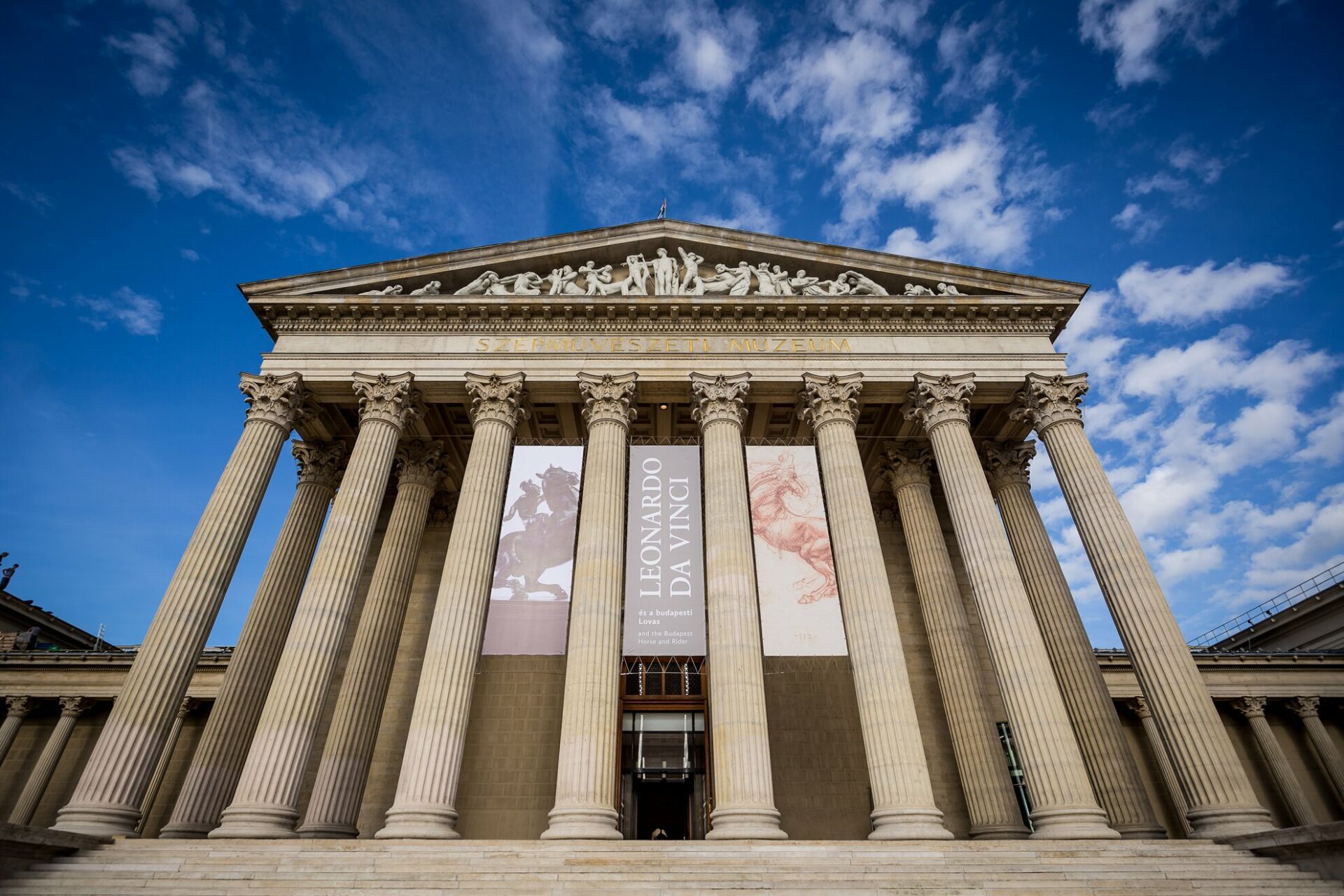
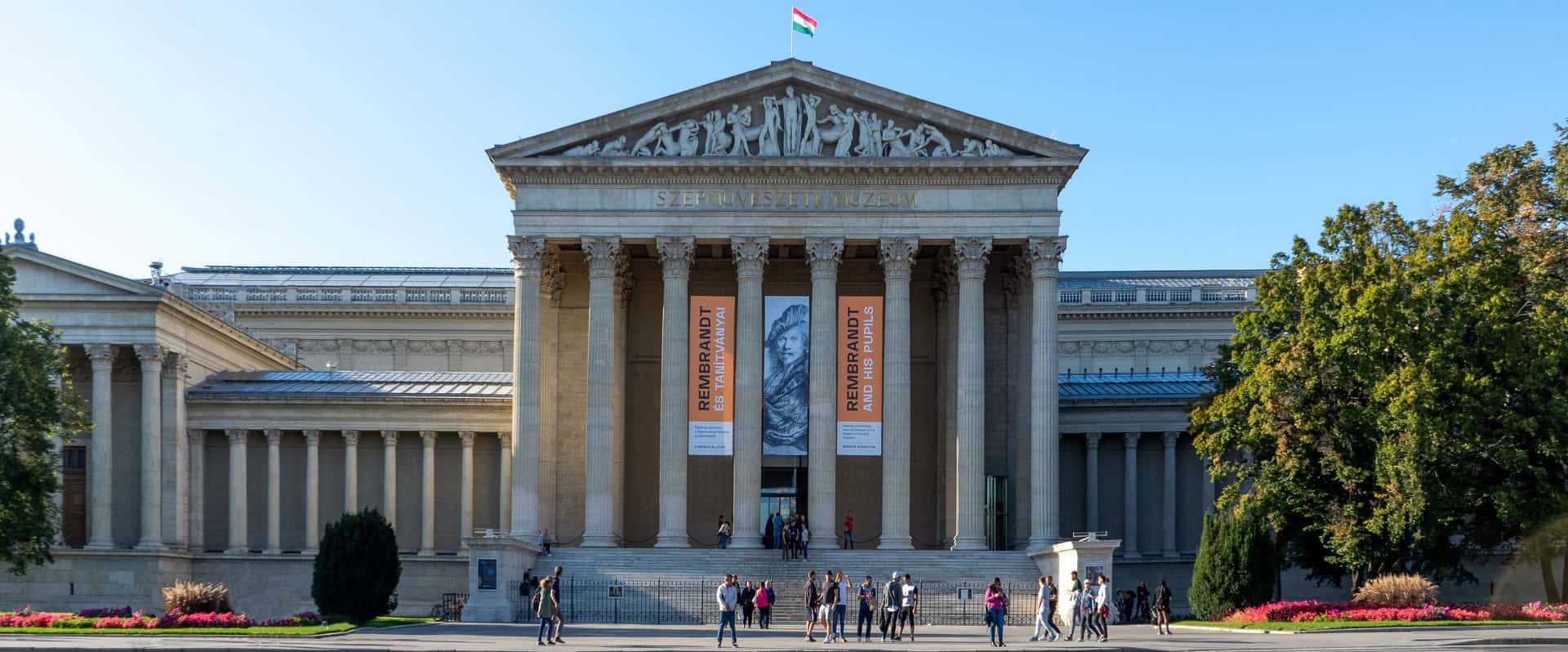
Damaged during the bombing of World War Two, Hungary’s largest and best art museum was recently reopened. Sitting beside the magnificent Heroes’ Square just past the Millennium Monument of the seven Magyar chieftains, the exterior itself is eye-catching. Step inside to gander at the exquisite Romanesque hall, covered with brilliant frescos and classical paintings. You’re then free to wander through five floors of art history, exploring ancient Egyptian relics, 13th century paintings and sculptures from the Greats of Baroque and Hungarian history.
Highlights include exhibitions of Raphael and El Greco.
How to get here: Take metro line 1 to Hősök tere. Alternatively, you can take a Hop-on Hop-off bus to get here. Check out our Budapest Hop-On Hop-Off sightseeing bus guideto find out more.
3. Hungarian Jewish Museum
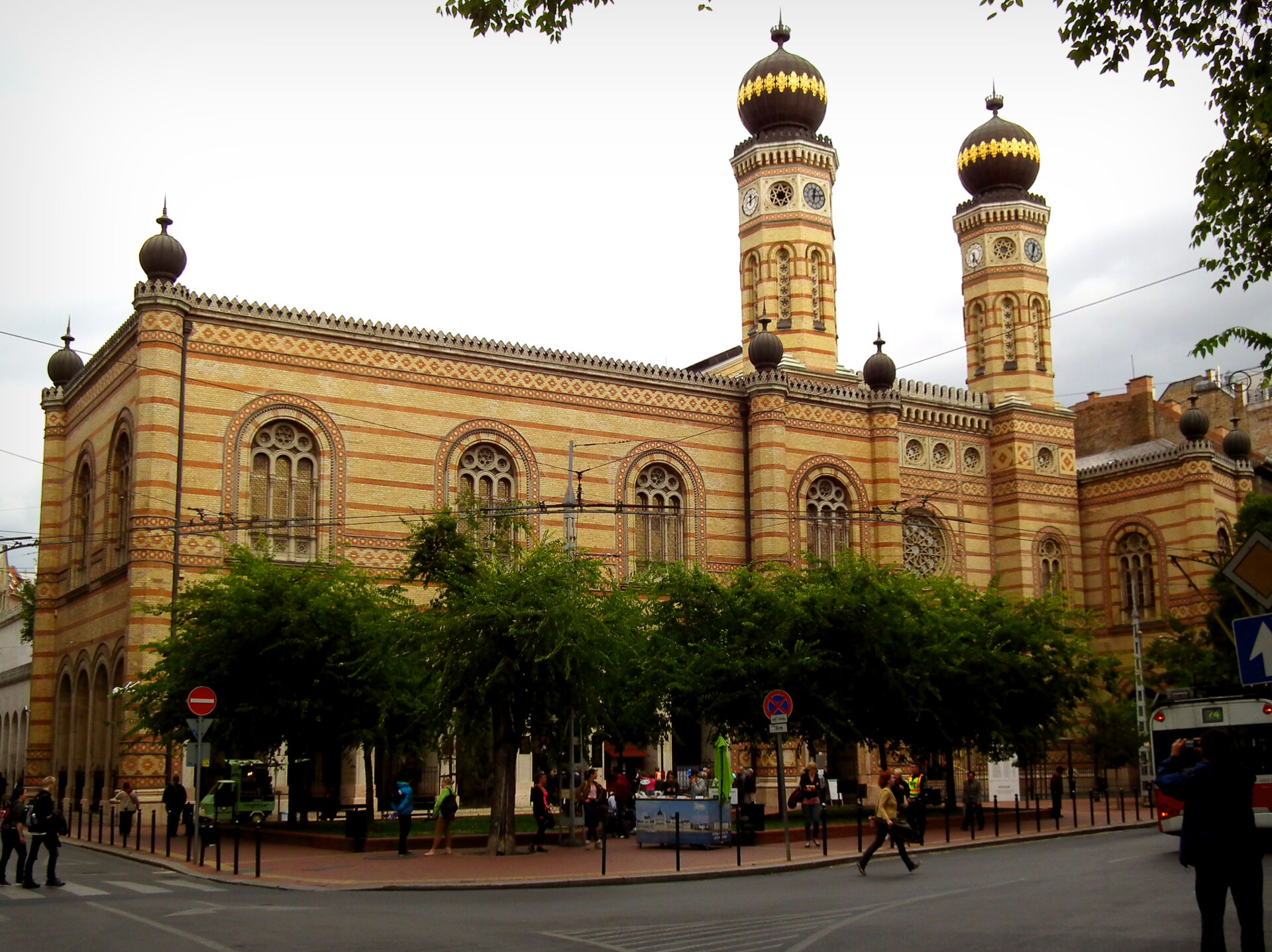
If you find yourself in the 7th district by Dohány utca, look for the twin towers of Dohány Street Great Synagogue Budapest As the largest synagogue in Europe, you can’t miss exploring this 150-year-old building. Attached is the Hungarian Jewish Museum, home of Judaica objects, artefacts and archives from one of the largest Jewish communities in Europe. Most objects reflect daily life, while others include handwritten books and pictures of the centuries-long history of the community. The museum was built in 1932, and its artefacts were hidden in the cellar to be kept safe from bombings and Nazi collectors.
Highlights include the weeping willow memorial with 30,000 Hungarian Holocaust victims inscribed into its leaves.
How to get here: Take metro line 2 to Astoria from where it’s just a few minutes of walk.
4. Hungarian National Gallery
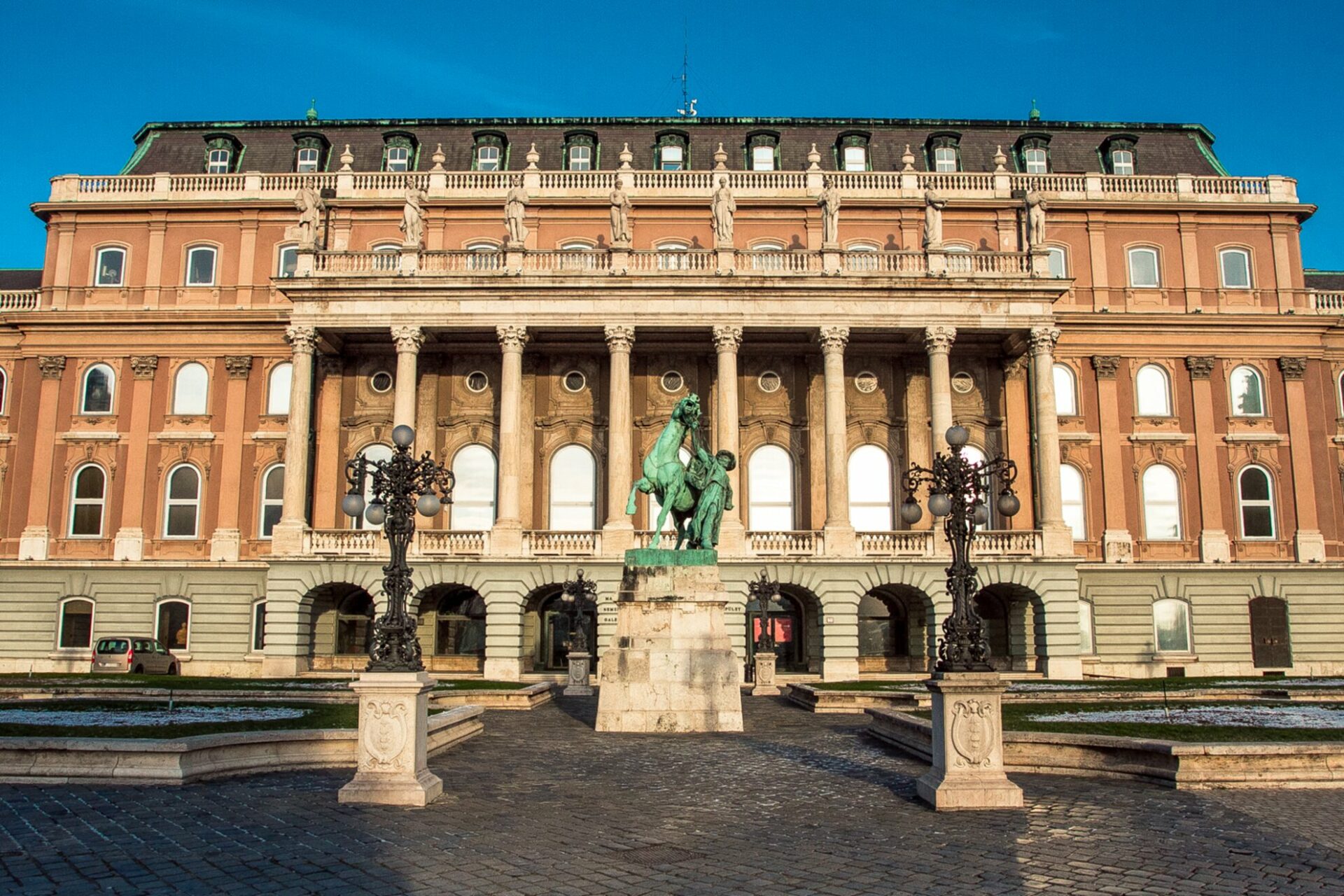
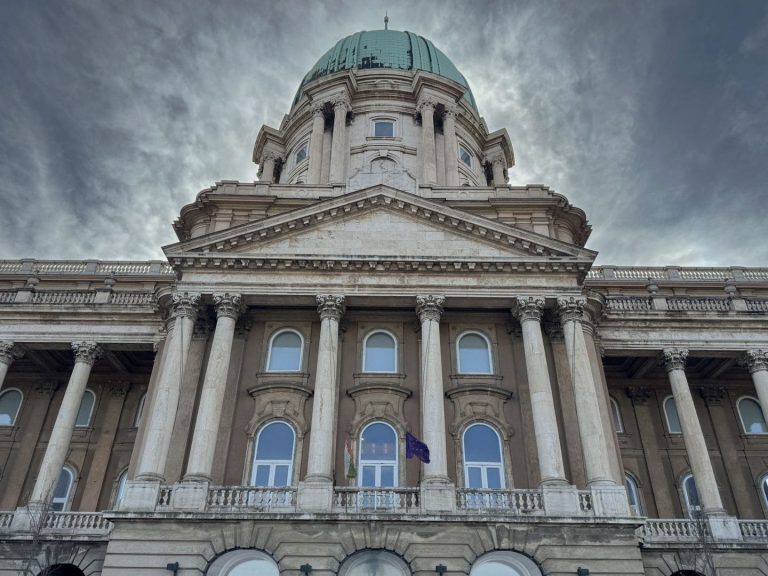
From the riverbanks of Pest, Buda Castle stands tall and proud on its hilltop. Surprisingly, the interior of this beautiful palace isn’t a throne room or a grand hall as you’d expect – but one of the finest museums in the city. Like most of the museums and monuments in Budapest, the castle was largely destroyed during World War II. The ruins were converted into a museum, and to this day the royal rooms of the castle are home to some of the best Hungarian artwork from renowned artists such Vasarely, Gulácsy, Munkácsy, and Mednyánszky.
By the way, if you are a big fan of castles, don’t miss Vajdahunyad Castle. We wouldn’t be surprised if you could walk around and see some amazing buildings, but these top 3 walks are sure to take your breath away. Walking tours in Budapest include dedicated routes for visiting the synagogues.
How to get here: Although there are multiple ways to reach Buda Castle – the most unique way is by the Buda Castle Funicular. To get there, simply walk across Széchenyi Chain Bridge, or take bus 16 to Clark Ádám tér.
It’s not the closest, but it’s still worth a visit to Margaret Island, where 7 hidden parks and gardens in Budapest. Otherwise, if you’re not sure, check out our Budapest info for all you need to know about the city.
5. Hungarian National Museum
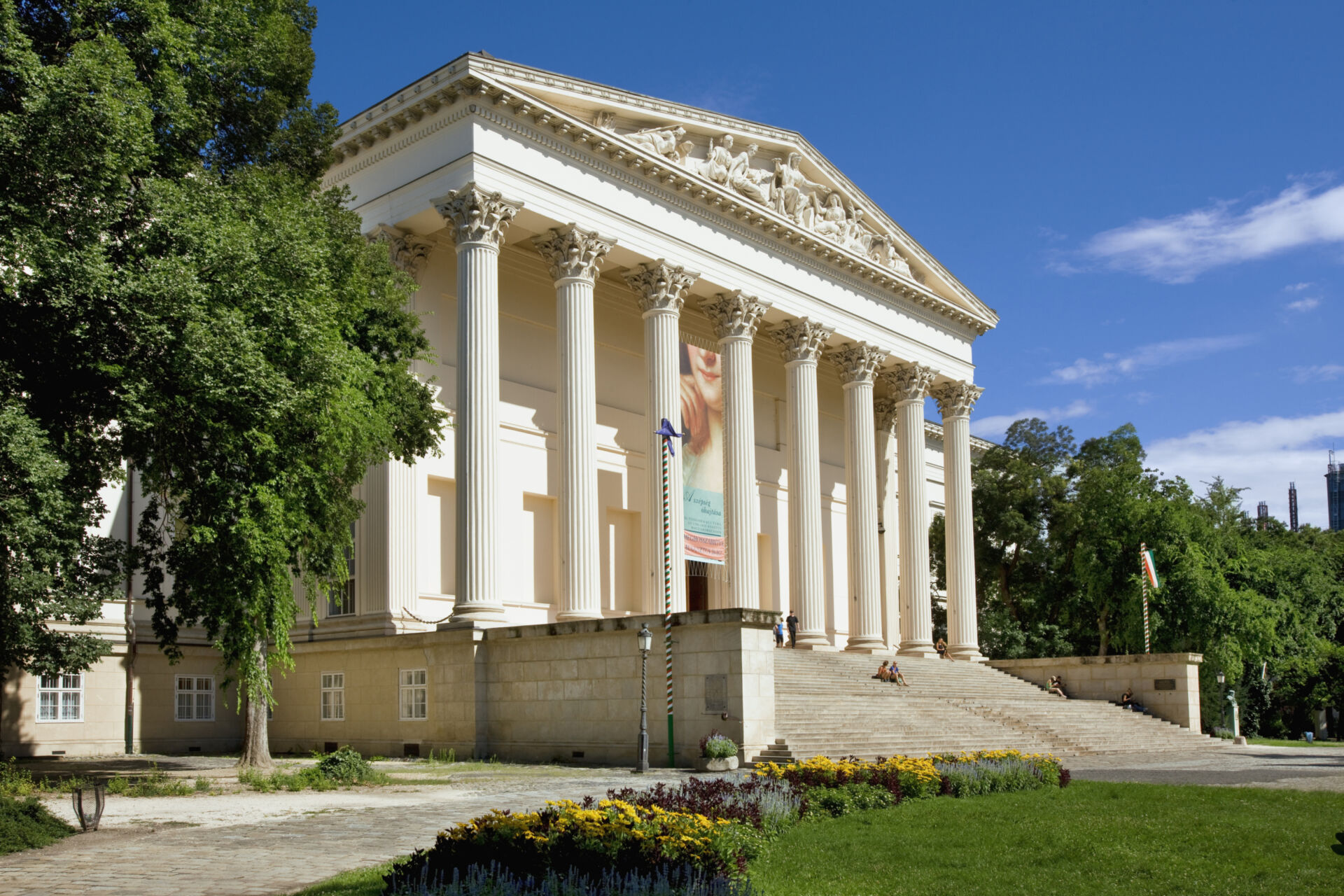
Budapest’s Múzeum Körút (Museum Boulevard) is a leafy-green sanctuary. Walking around this little neighbourhood surrounding the National Museum is a calming experience. Built in 1807, the largest museum in Budapest has long been a part of Hungarian history – and played an important part in it, too: in 1848, Sándor Petőfi was standing on the entrance steps as he read out his famous poem, Nemzeti dal (National Song), which inspired the Hungarian Revolution against the Habsburgs. Today, you can see the statue of Petőfi as you walk in. Inside, the history lesson continues with floors upon floors of exhibitions spanning across Hungarian history.
Highlights include artefacts belonging to King St. Stephen I, founder of Hungary (whom St. Stephen’s Basilica was named after), and weapons used to fight the Ottoman invaders in the 17th century.
How to get here: Take metro line 3 or 4 to Kálvin tér from where it’s only a few minutes of walk. The museum is also close to Astoria, served by metro line 2.
Wherever your interests may lie, the museums of Budapest offer the perfect day out in the city. Take a stroll through the Fine Arts museum or pop into the Dohány Street Great Synagogue on a rainy day. Climb to the dome-top of the National Gallery or explore the deep, dark depths of the House of Terror. History and culture are yours to discover in Budapest’s 5 must-see museums—and while strolling down Andrássy Avenue between stops, pair them with a guided tour or evening show inside the 1884 Hungarian State Opera House (Budapest Opera House).
Where to Go Next: Local Tips for Museums, Art, Parks & Family Activities
If you are putting together your itinerary, we recommend strolling under the ancient trees and musical fountain on Margaret Island in the middle of the Danube, stepping back two thousand years among the Roman ruins at the Aquincum Museum in Óbuda, or spotting Hollywood and streaming filming locations from movies and Netflix series filmed in Budapest. To experience even more of the city like a local, consider climbing through cool limestone chambers on underground stalactite tours in Pálvölgyi Cave, browsing international pop art and modern exhibitions at contemporary art at the Ludwig Museum Budapest inside Müpa, as well as walking up the curved rooftop garden of Budapest’s award-winning Museum of Ethnography in City Park.
Many visitors also pair this stop with discovering emerging Central European artists at independent contemporary art galleries in Budapest, staying active on Margaret Island’s rubber running track and other outdoor running tracks and sports in Budapest, and cheering at Puskás Aréna or the Duna Arena during major international sport events in Budapest. For those with extra time in the capital, it is well worth bringing binoculars to quiet wetlands and hills for birdwatching spots around Budapest and Hungary, viewing medieval Corvinus manuscripts at the National Széchényi Library inside Buda Castle, or exploring our local guide to The Budapest Puppet Theatre.
Frequently Asked Questions
What is the best art museum in Budapest?
For classical international art, the Museum of Fine Arts (Szépművészeti Múzeum) at Heroes' Square is the best. However, if you want authentic Hungarian masterpieces, you must visit the massive Hungarian National Gallery located inside the Buda Castle complex.
Is the House of Terror museum worth visiting?
Yes, it is often ranked as one of the most impactful museums in the entire city. The exhibition provides a chilling, immersive, essential educational experience detailing Hungary's tragic survival through dual fascist and communist regimes.
Are museums in Budapest free on Sundays?
While they are not free every Sunday, many funded Hungarian museums do offer free admission on the 3rd Sunday of every month, but check their respective websites as this applies to citizens under 26 and accompanying adult family members.