Face to Face with the First Emperor: The Ultimate Guide to the “Terracotta Warriors” in Budapest
- • The Terracotta Warriors exhibition in Budapest offers a stunning historical journey into ancient China, featuring highly detailed replicas of the famous army of the First Emperor, Qin Shi Huang.
- • The exhibition showcases not only the life-sized terracotta soldiers, including archers and generals, but also intricate bronze chariots, ancient weapons, jade cravings, and early Chinese currency.
- • Visitors can explore recreated scenes of the famous Pit 1 and Pit 3, providing an immersive experience into one of the greatest archaeological discoveries of the 20th century.
Budapest is usually about thermal baths and Art Nouveau architecture, but right now, something ancient has awakened in the Museum of Fine Arts (Szépművészeti Múzeum). I recently visited the blockbuster exhibition “Guardians of Immortality” to see the legendary army of China’s First Emperor.
I didn’t just walk through; I analyzed every display case. From “ant-nose” coins to the massive Terracotta Army pits, here is the untold story of what you will see—plus all the practical info you need to visit before it closes on May 25, 2026.
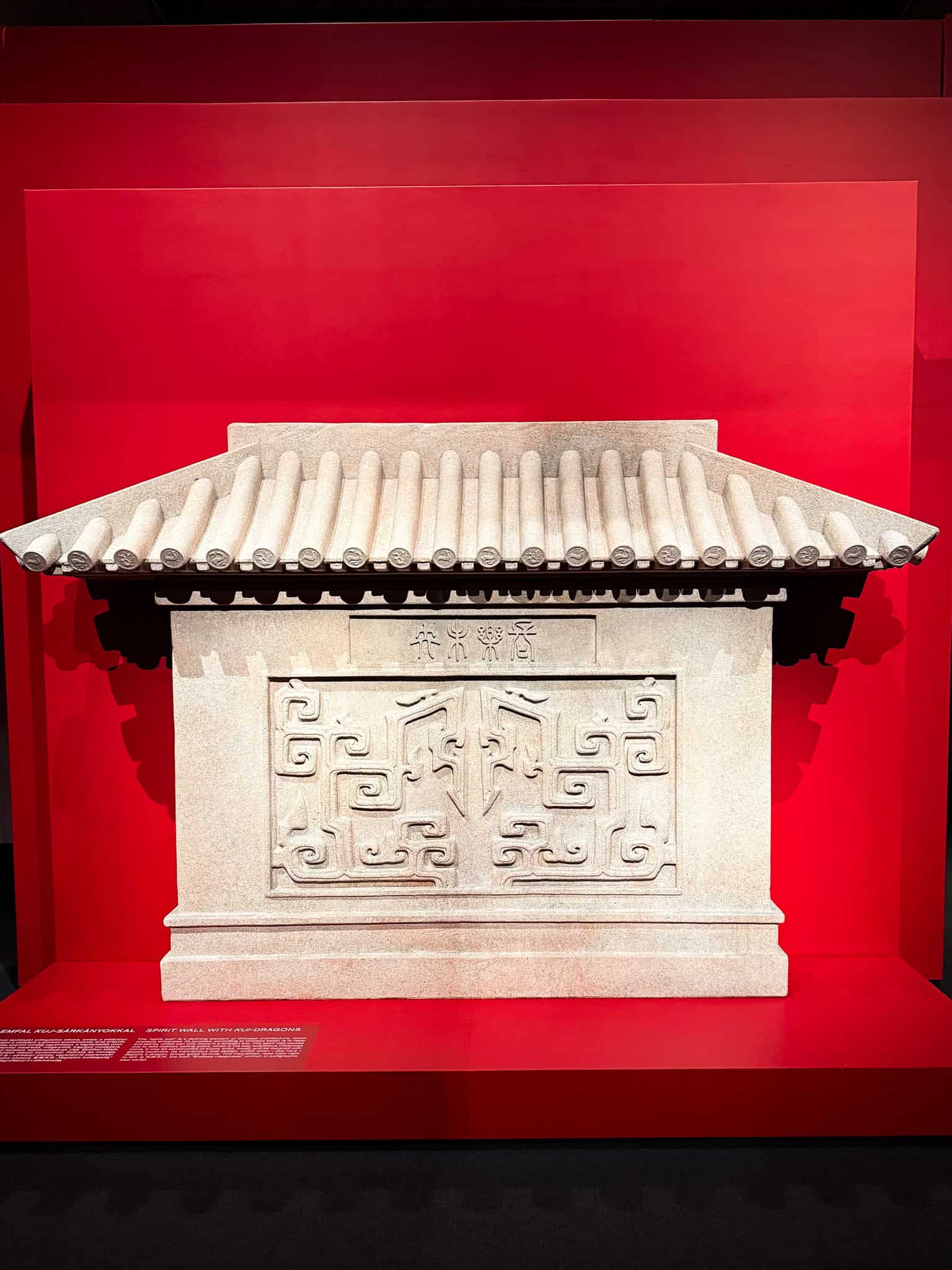
1. The Dragon’s Protection: Blocking Evil Spirits
The journey begins with spiritual defense. In ancient Chinese belief, evil spirits could only travel in straight lines. To protect the Emperor, entrances were guarded by “Spirit Walls” and dragon motifs to filter out bad energy.

2. The Emperor Who Feared Death
Qin Shi Huangdi unified China, but he had one major weakness: he was terrified of dying. He was obsessed with the “Five Elements,” believing his dynasty was ruled by Water (symbolized by the color black).
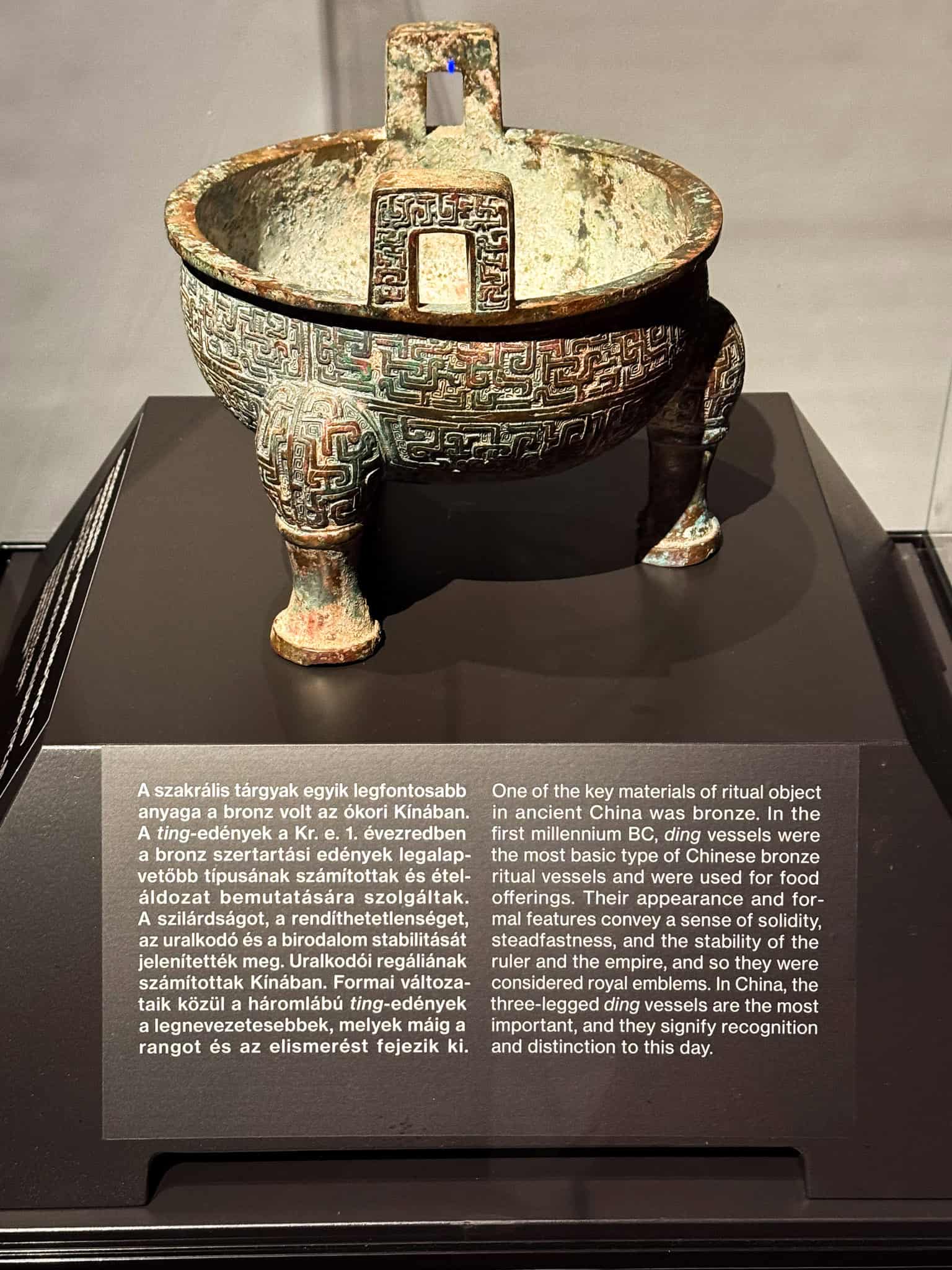
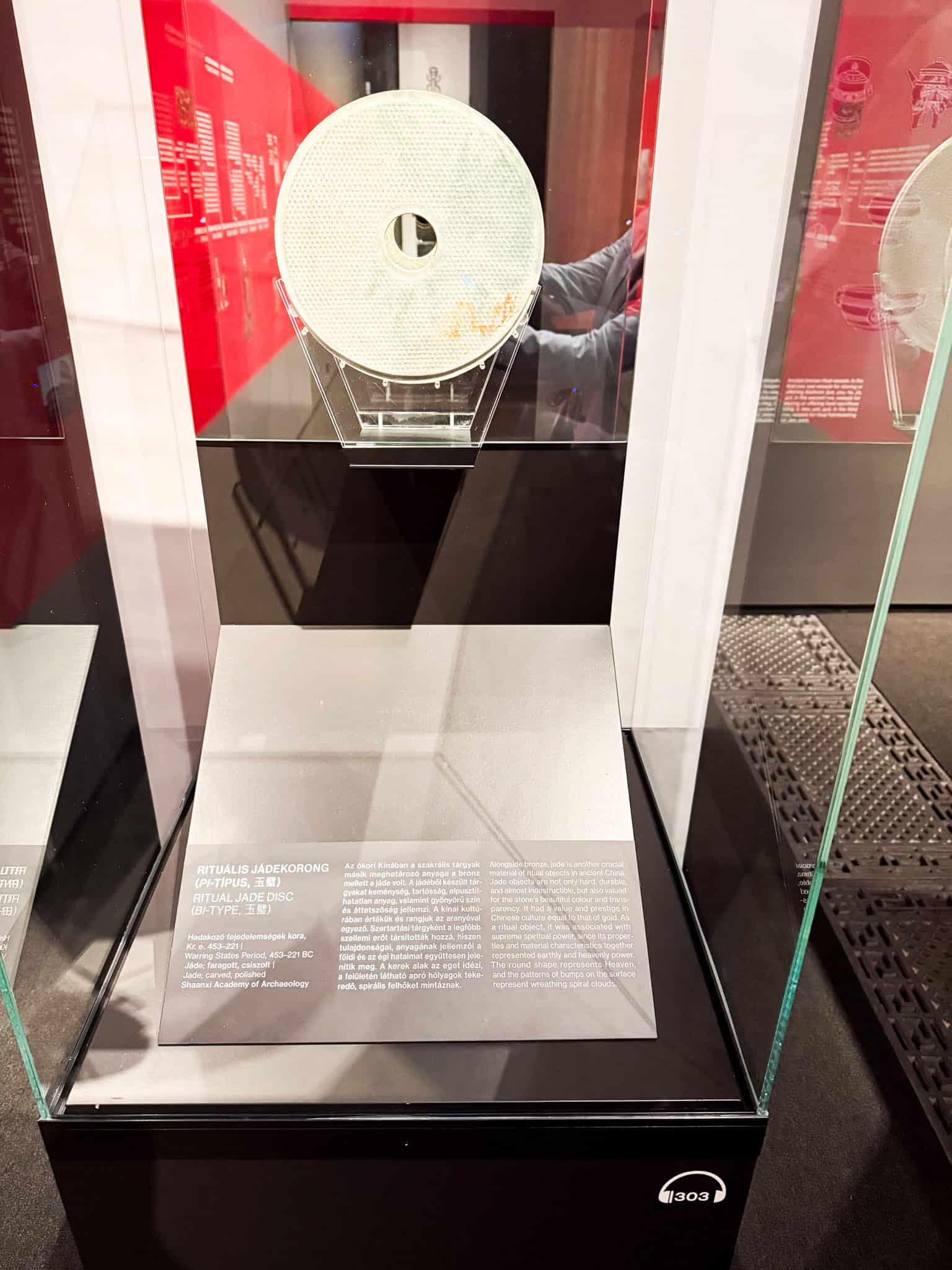
3. Ancient Wallets: Knives and Ghost Faces
Before the Emperor unified the currency, money looked wild. My favorite part of the first room was seeing the strange shapes people used to pay with.
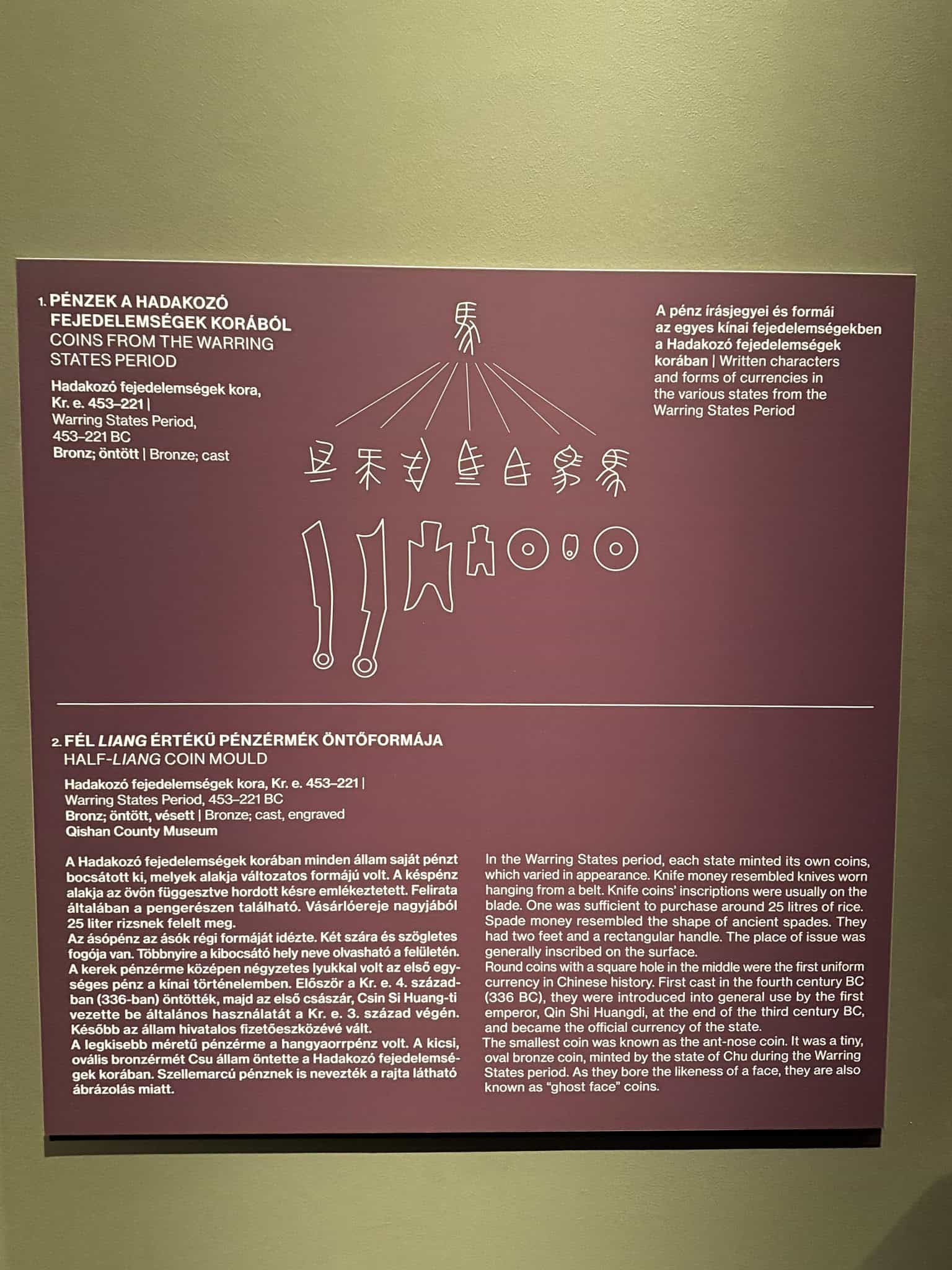
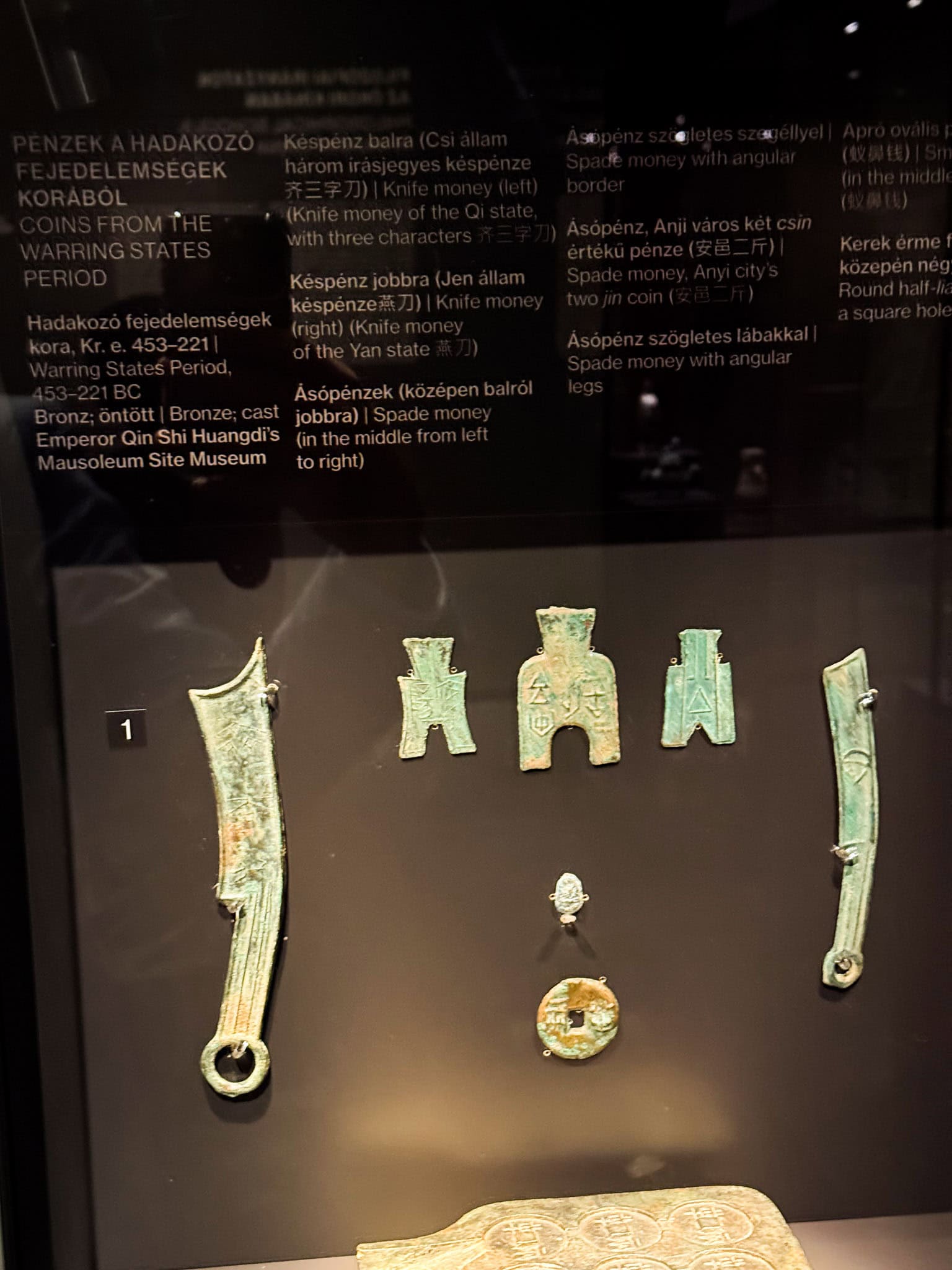
4. The Terracotta Army: The Highlight
This is what you came for. The exhibition does an incredible job of breaking down the army into its three main “Pits” or trenches.
Pit 1: The Main Force
This is the largest pit, containing the main infantry. The sheer scale is breathtaking. These soldiers were the front line, ready to defend the Emperor in the afterlife.
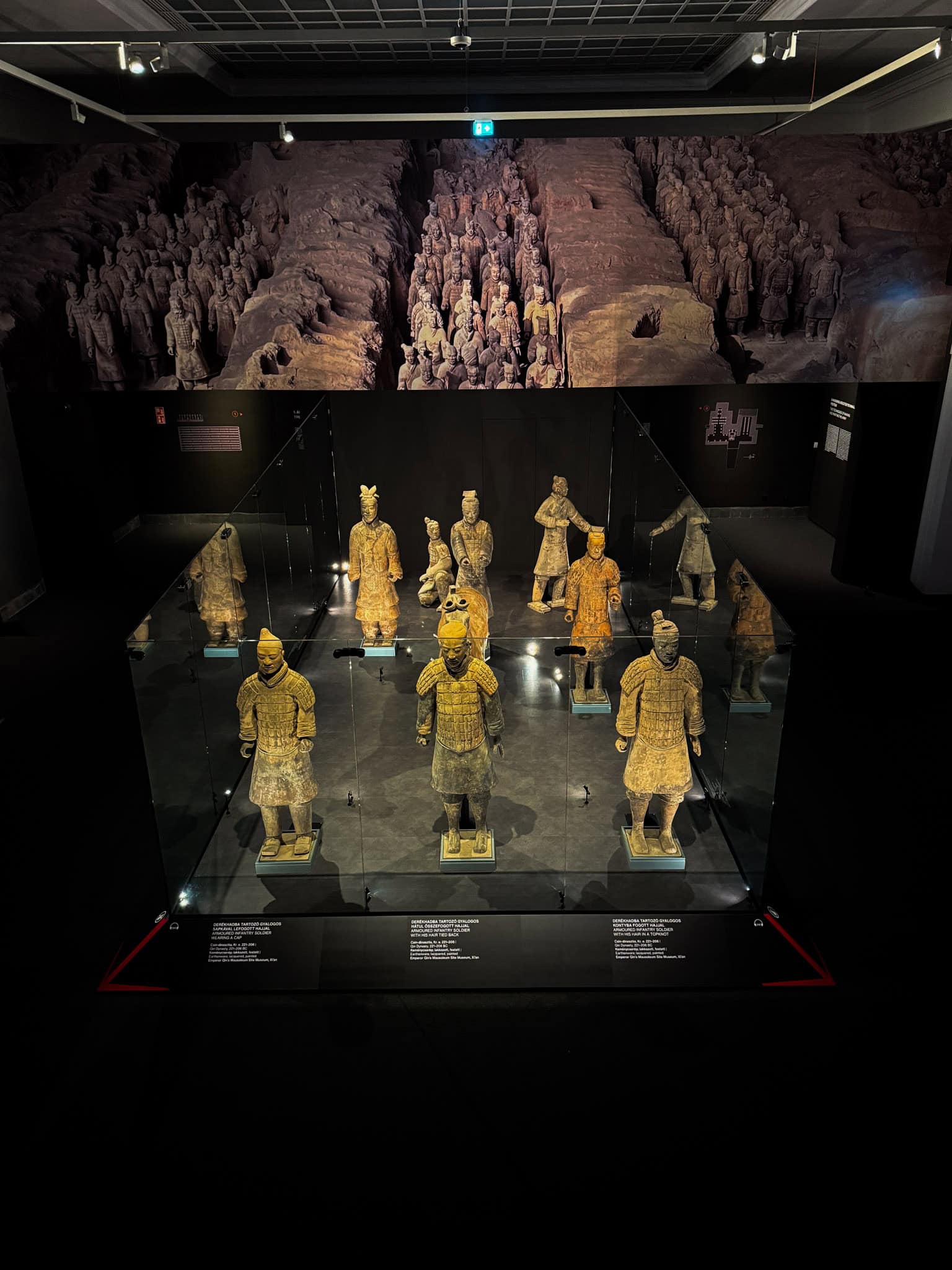
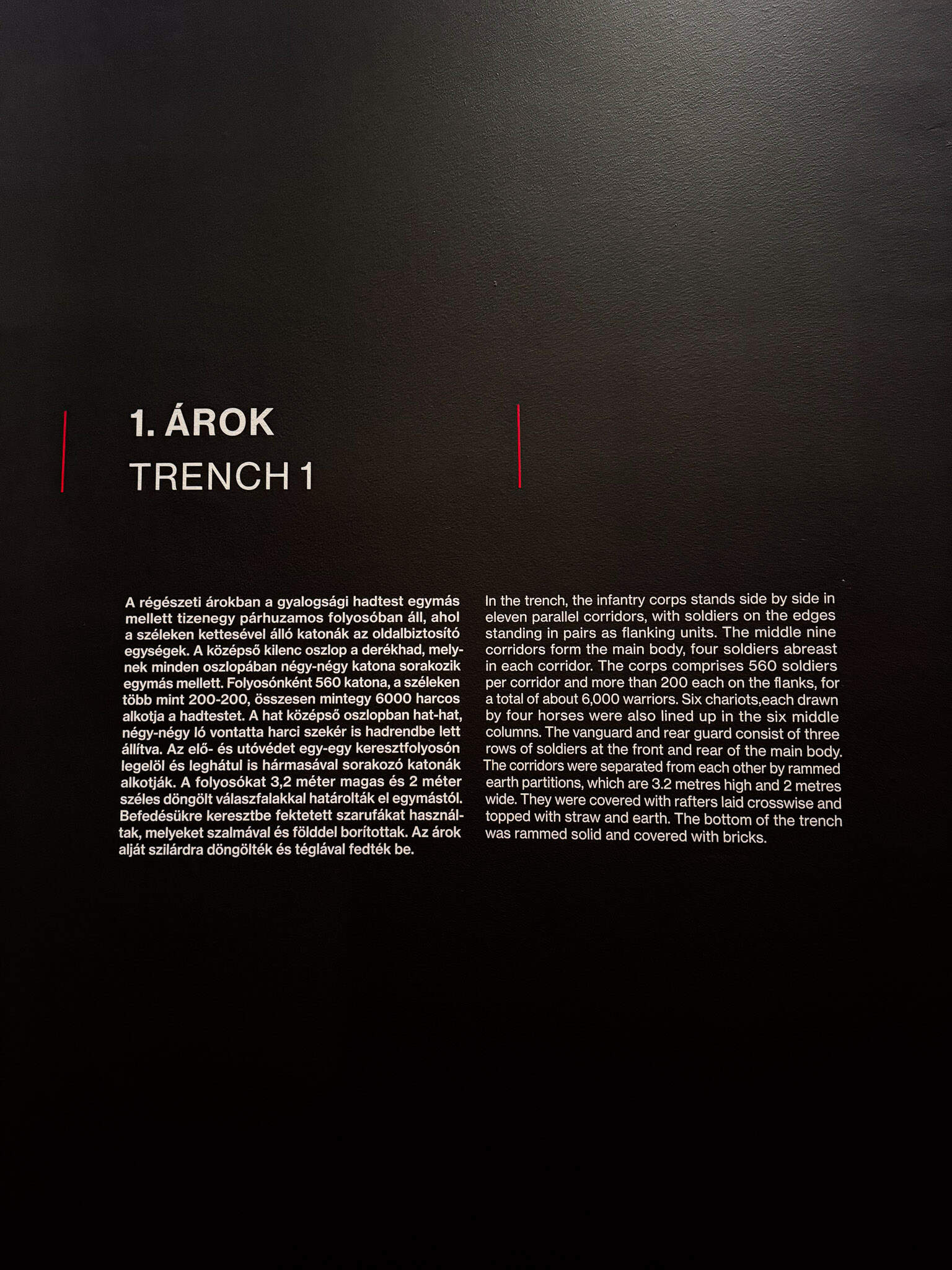
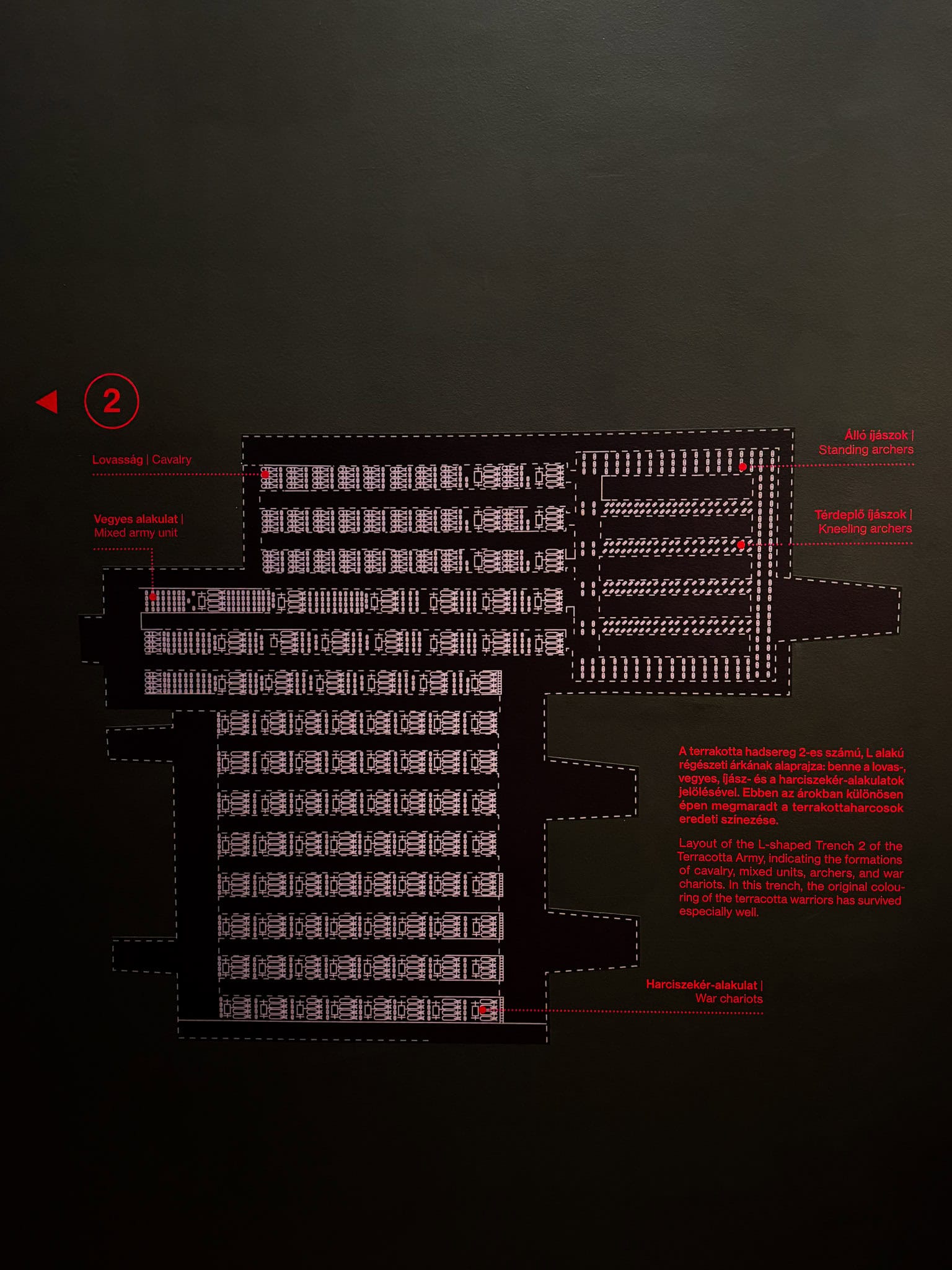
Pit 2: The Specialists (Archers & Cavalry)
While Pit 1 is pure brute force, Pit 2 contains the tactical units: cavalry, chariots, and the famous archers.
Pit 3: The Command Post
The smallest but most important pit. This was the headquarters (HQ) where the high-ranking officers planned the battles.

The Faces: Mass Production vs. Art
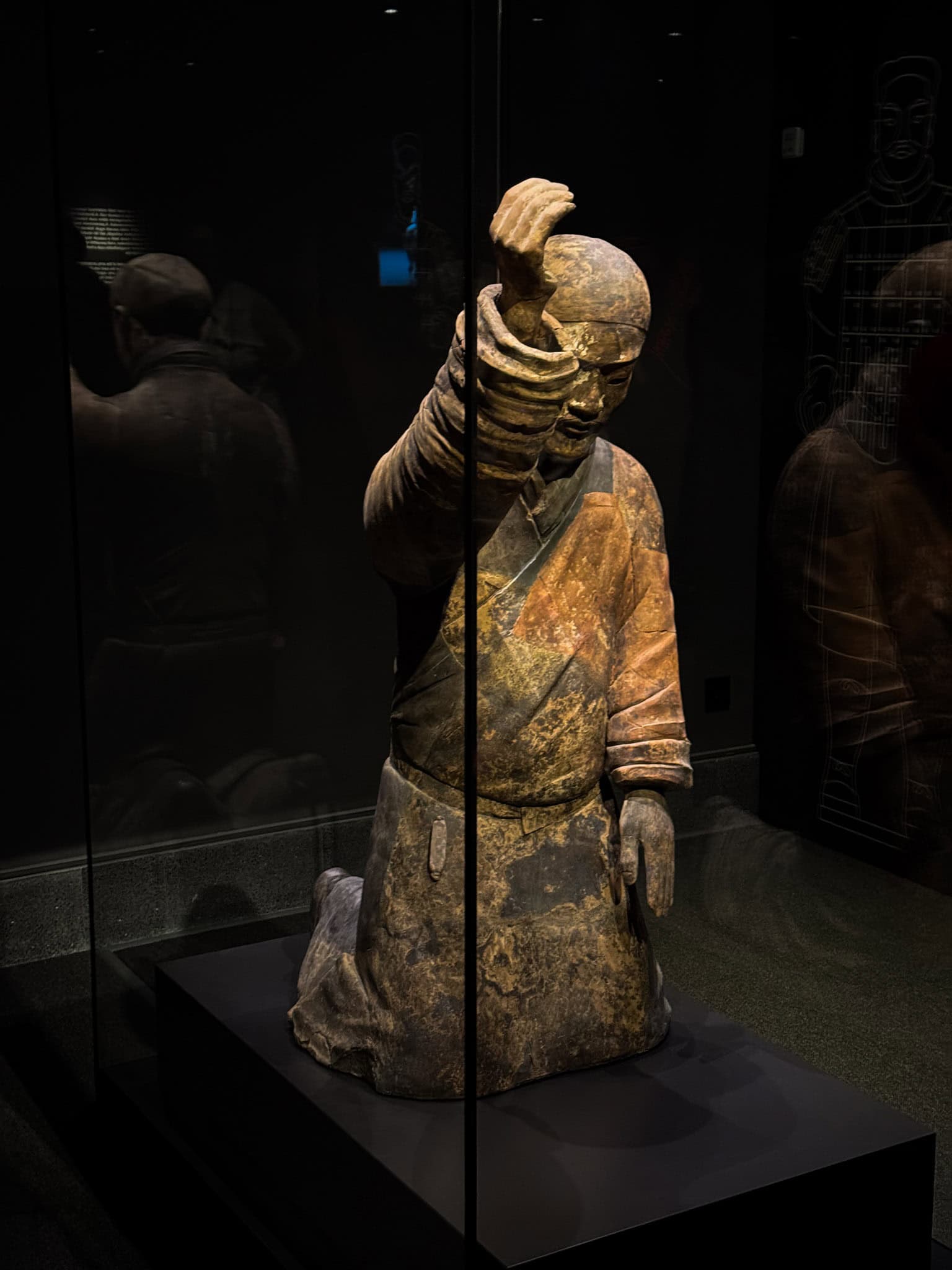
Look closely at their faces. While the bodies were mass-produced in modules (legs, torso, arms), the faces were individually sculpted. No two soldiers look exactly alike. Also, they weren’t originally brown!
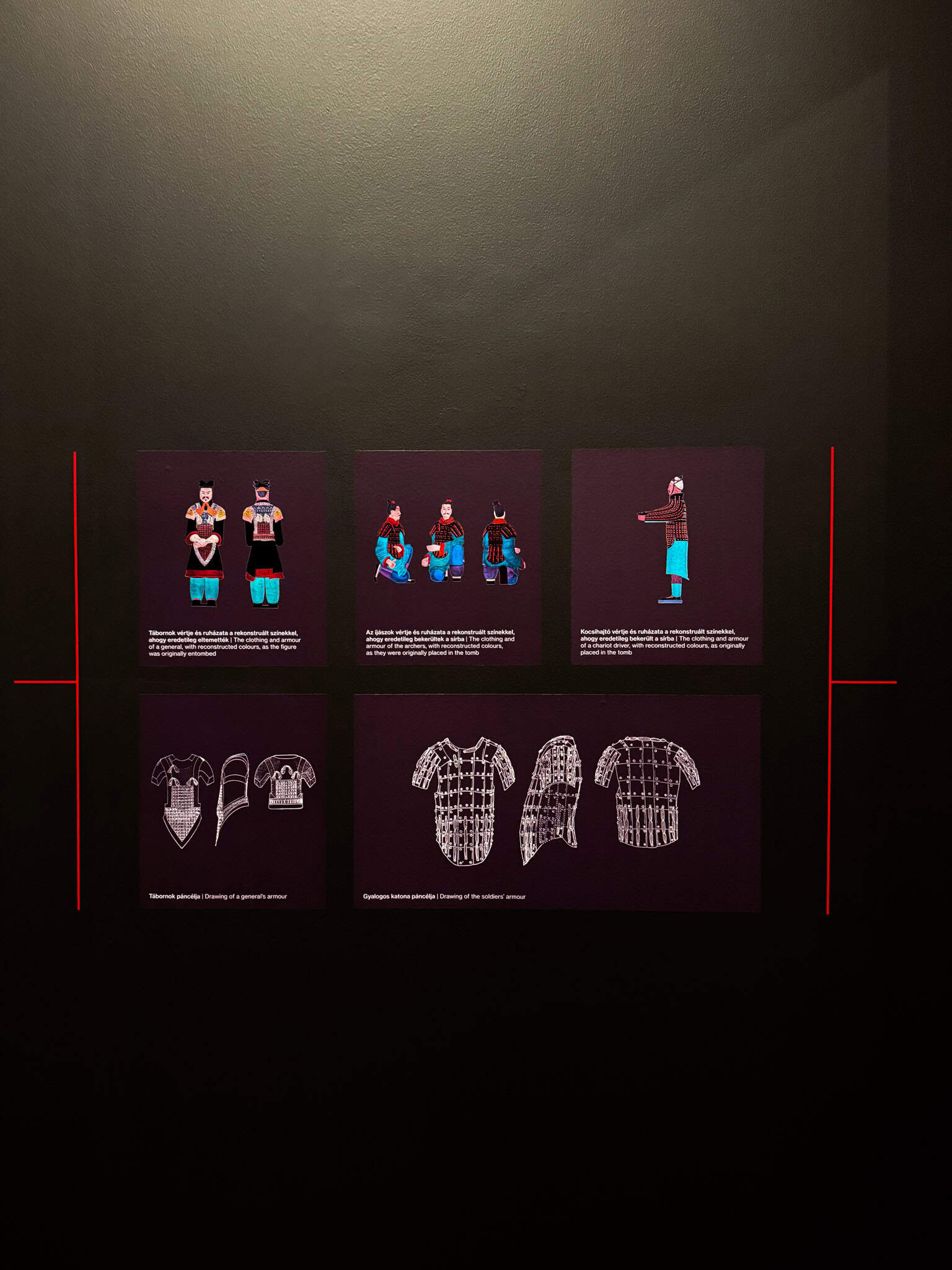
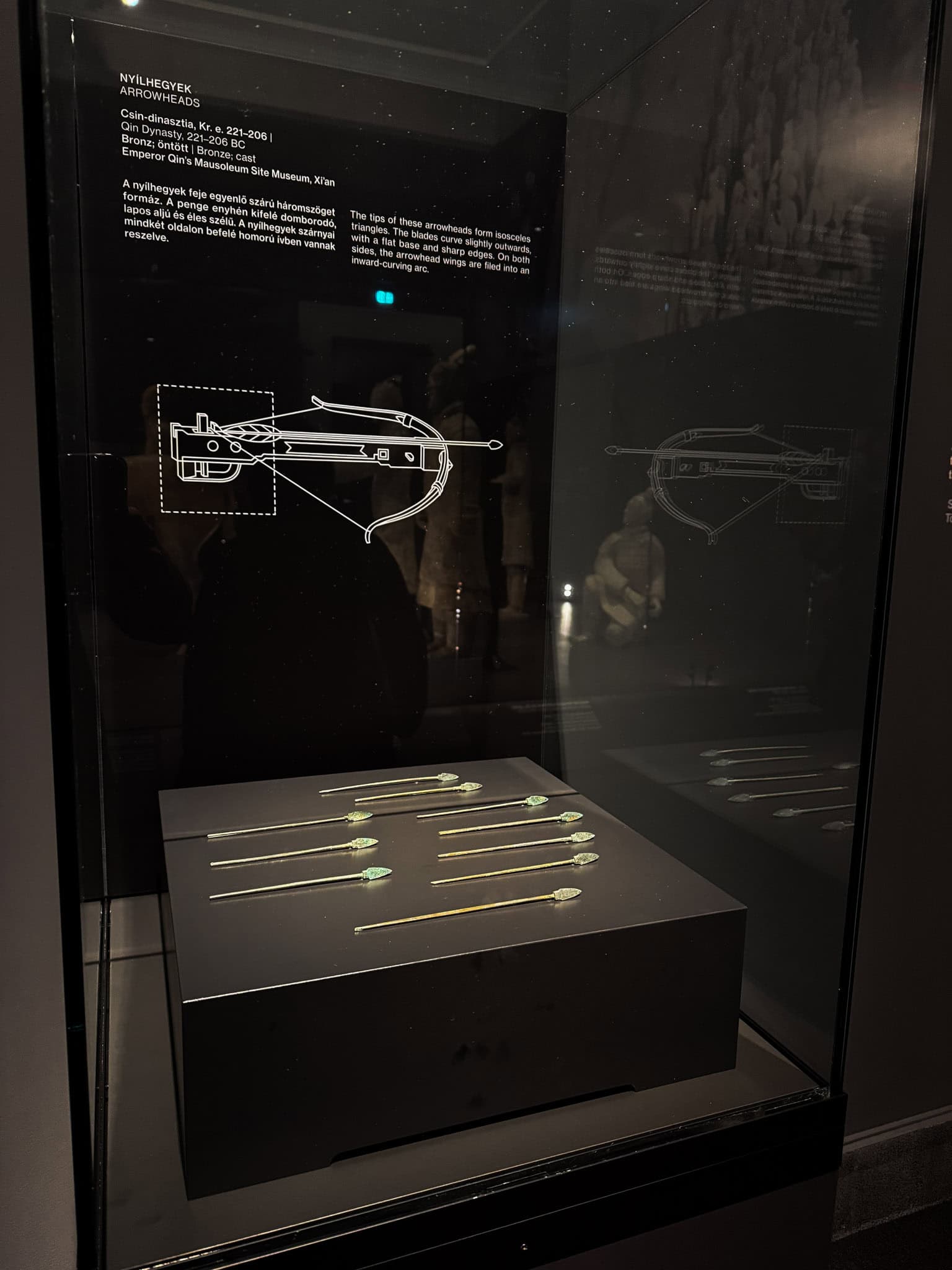
5. High-Tech Weaponry
The soldiers held real weapons. The bronze swords found in the tomb were coated with chrome oxide, a technology that prevented rust for 2,000 years.
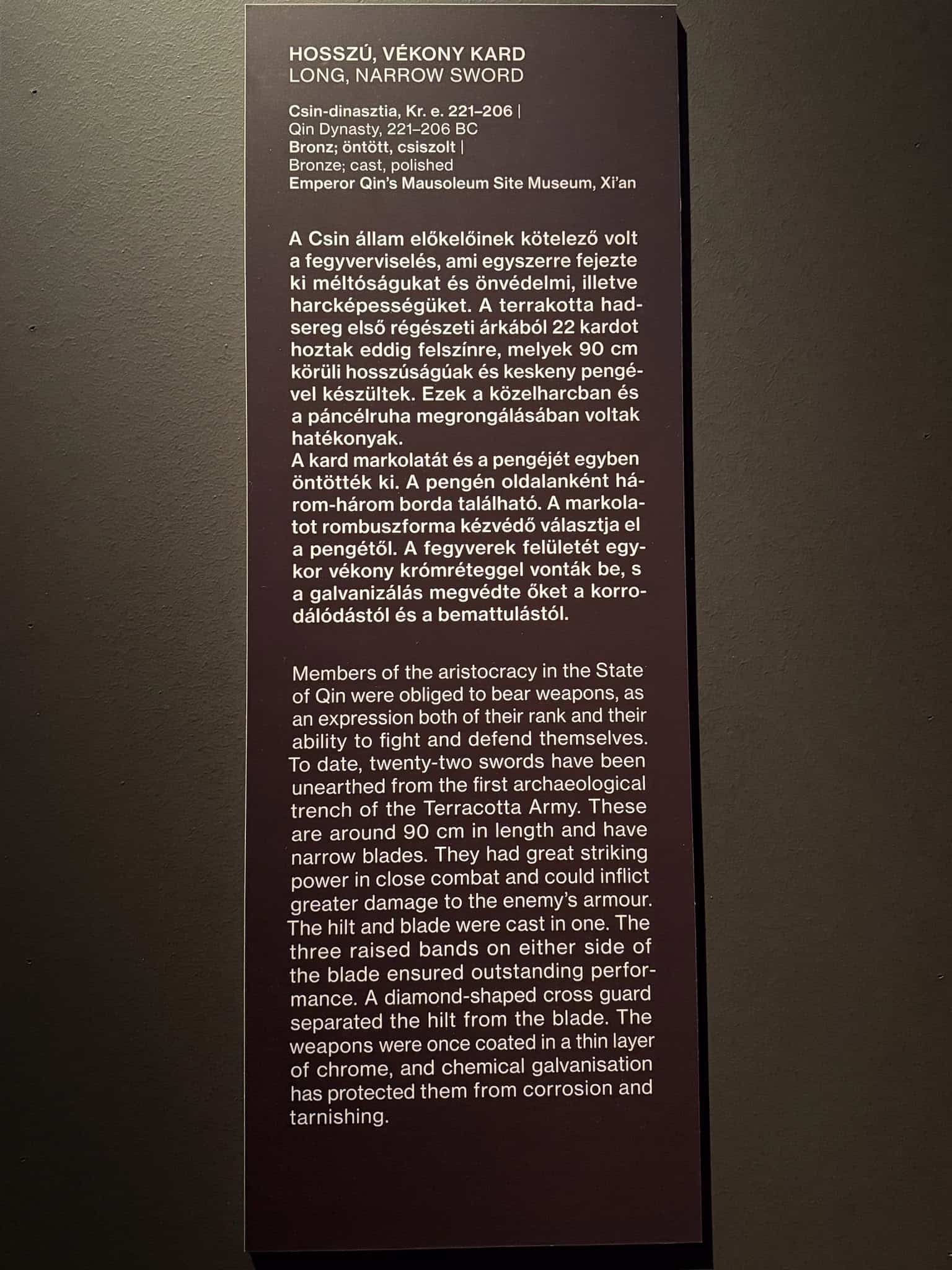
6. The Imperial Garage: Chariots of Fire
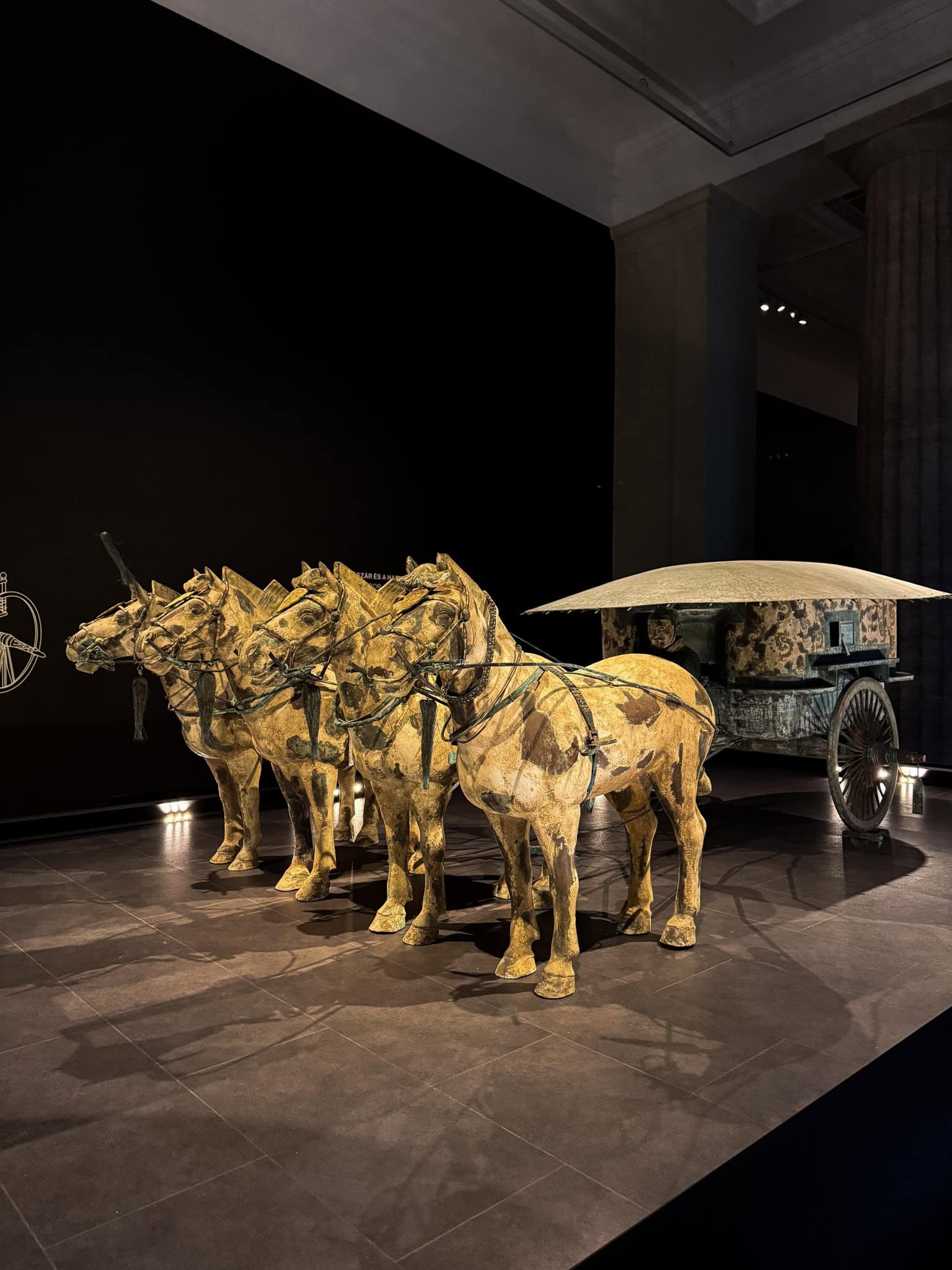
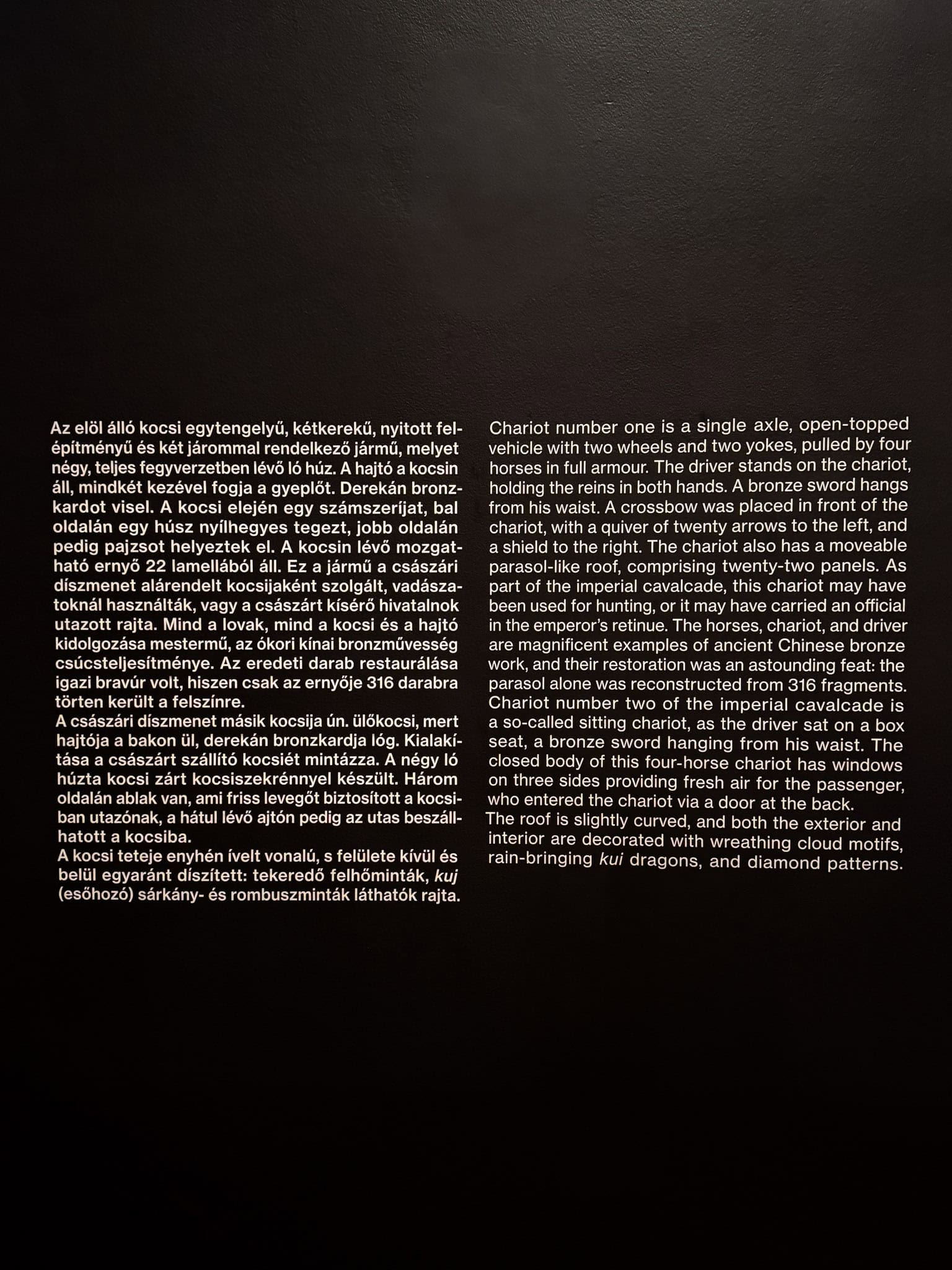
The half-size bronze chariots are masterpieces. The “Open Chariot” features a parasol that was reconstructed from 316 tiny broken fragments.
7. Not Just War: Music and Nature
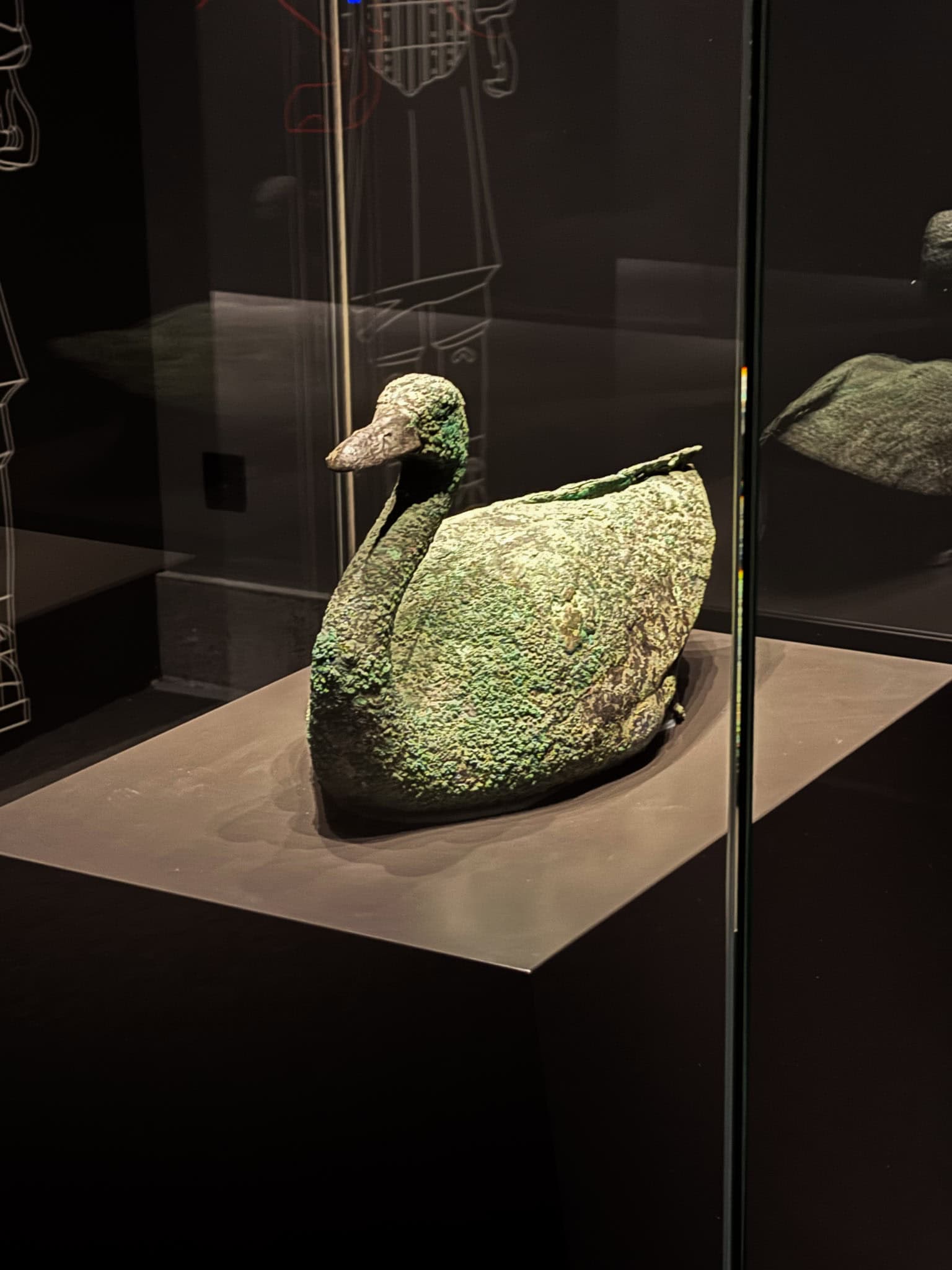
The Emperor needed entertainment in the afterlife. The exhibition shows a softer side with musicians and a recreated “water park” filled with bronze birds.
8. The Stone Armor Mystery
You will see a suit of armor made of stone. Weighing nearly 20kg, it was impossible to wear in battle. It was “Spirit Armor”—made solely for the ghost soldiers.

9. The Han Dynasty: A Shift to Daily Life
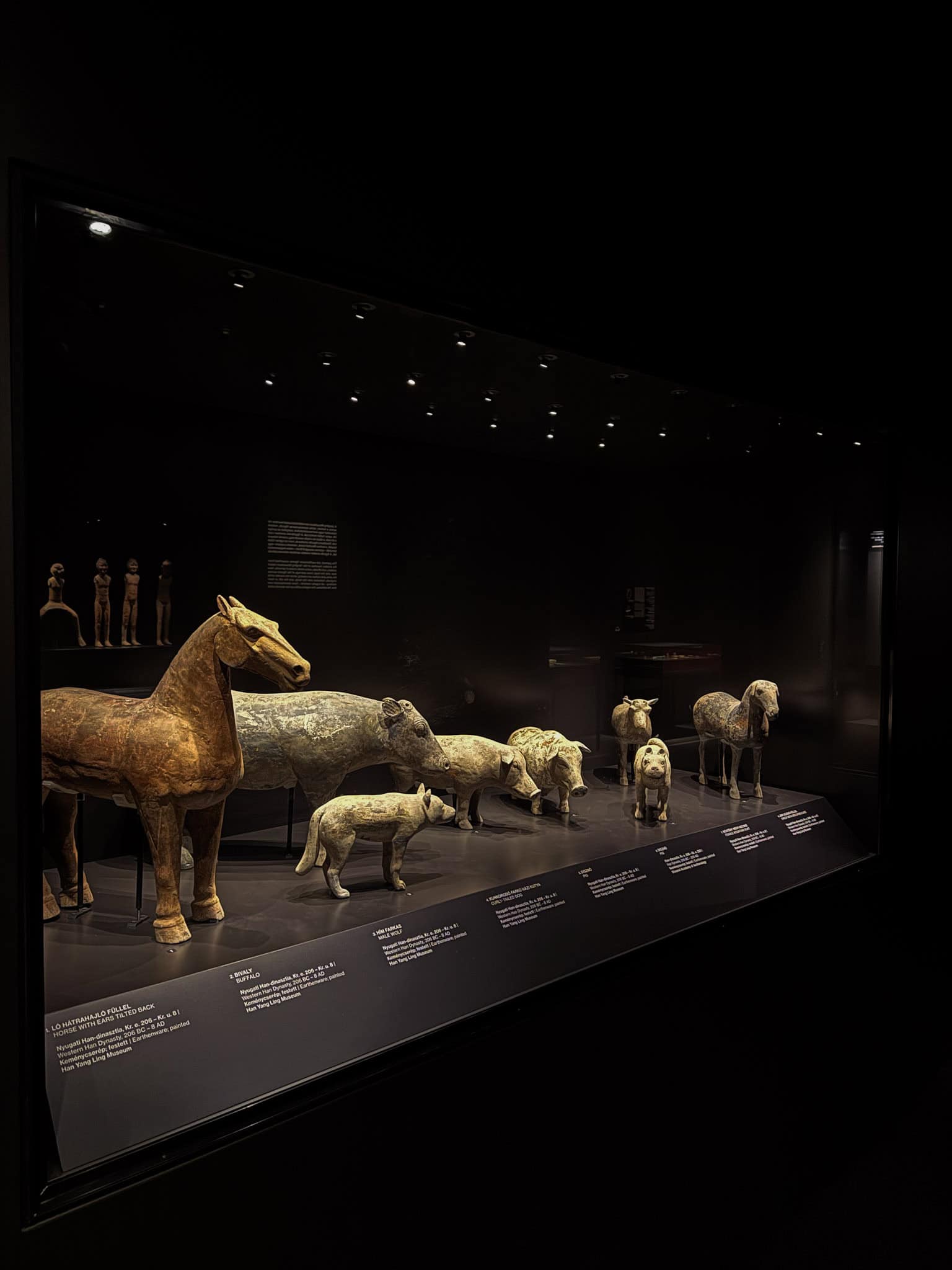
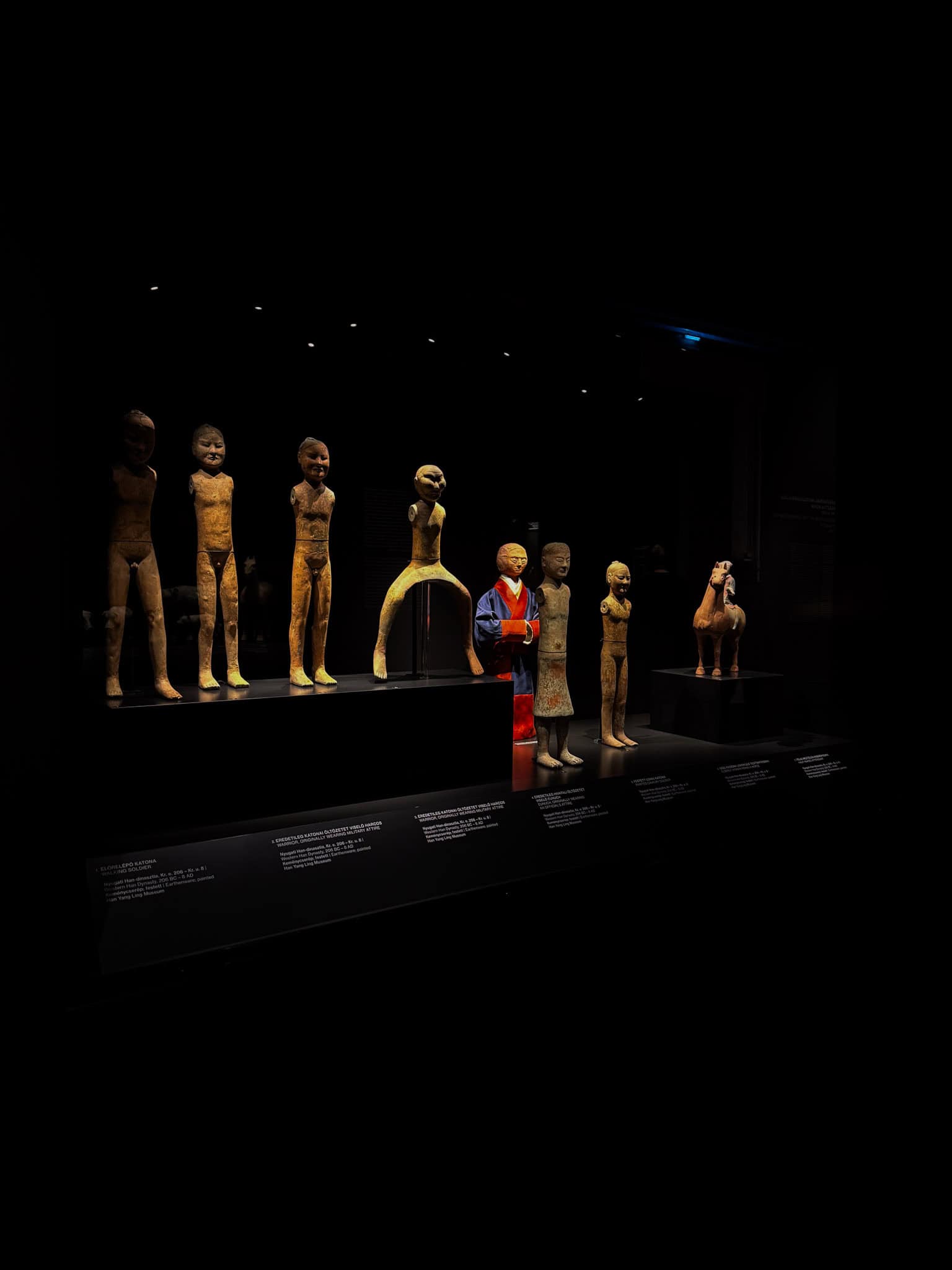
The exhibition ends with the Han Dynasty (which came after the Qin). The difference is shocking. Instead of a terrifying army, the tombs are filled with smiling, smaller figures and farm animals.
Visitor’s Guide: How to Visit
Exhibition: “Guardians of Immortality – The Civilization of the Qin and Han Dynasties”
📍 Location & Access
- Venue: Museum of Fine Arts (Szépművészeti Múzeum)
- Address: 1146 Budapest, Dózsa György út 41. (Heroes’ Square)
- Public Transport: Take Metro Line M1 (Yellow Line) to “Hősök tere”.
📅 Opening Hours & Dates
- Dates: Nov 28, 2025 – May 25, 2026
- Open: Tue – Sun: 10:00 AM – 6:00 PM (Closed Mondays)
🎫 Tickets
- Adult: ~6,600 HUF
- Reduced (EEA 6-26/62-70): ~3,300 HUF
Check out our guide to the top 100 places in Budapest for more ideas!
Where is the Terracotta Warriors exhibition in Budapest?
The exhibition is at the Museum of Fine Arts (Szépművészeti Múzeum) at Heroes’ Square.
When does the exhibition close?
It runs until May 25, 2026.
What is the difference between Pit 1, 2, and 3?
Pit 1 contains the main infantry force. Pit 2 holds specialized units like archers and cavalry. Pit 3 is the command post for the officers.
Before attending local exhibitions and interacting with the local art scene, it’s highly recommended to familiarize yourself with basic Budapest Culture and Etiquette to ensure a smooth trip.