Budapest in January: What to Expect in Winter
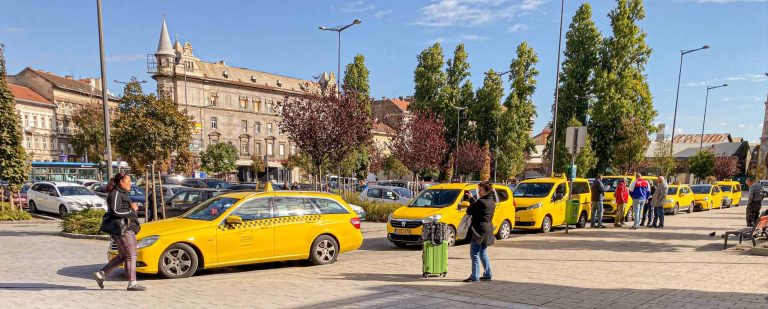
It is an opportunity to take a leisurely stroll through your itinerary without feeling the same pressure to arrive early to the most popular destinations.
- • Visiting Budapest in January guarantees an authentic, deeply atmospheric European winter experience, characterized by freezing temperatures, frequent snowfalls, and significantly fewer tourist crowds.
- • The absolute best cold-weather activities include soaking happily in the steaming hot outdoor pools at Széchenyi Thermal Bath and ice skating massively on the frozen lake in City Park.
- • While the Christmas markets have securely closed, you can still fiercely enjoy hot mulled wine, freshly baked chimney cake on the streets, and a very active cultural season at the Hungarian State Opera.
Visiting Budapest in January offers a very different experience compared to the busy summer months. While winter may not be the most popular season for travel, January has its own charm: fewer crowds, atmospheric streets, steaming thermal baths, and a surprisingly rich cultural calendar. If you don’t mind colder weather, Budapest in winter can be rewarding, affordable, and unforgettable.
This guide will walk you through what to expect when traveling to Budapest in January, from weather and packing tips to seasonal events, outdoor activities, and practical travel advice.
What Is the Weather Like in Budapest in January?
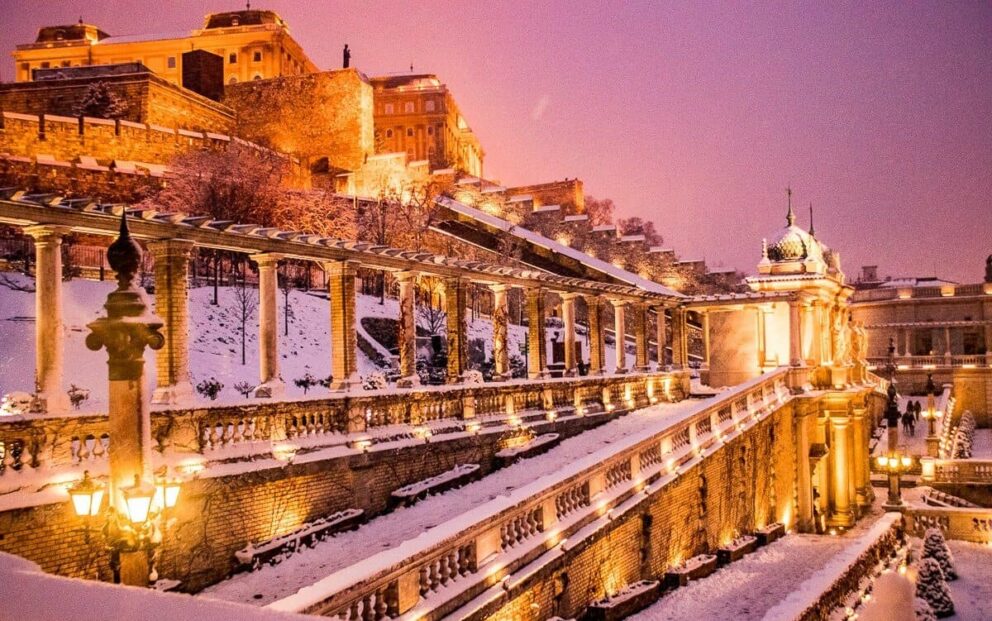
January is typically the coldest month of the year in Hungary. Average daytime temperatures usually range between 0°C and 4°C (32–39°F), while nights can drop below freezing. Cold snaps with temperatures well below 0°C are possible, though not guaranteed every year.
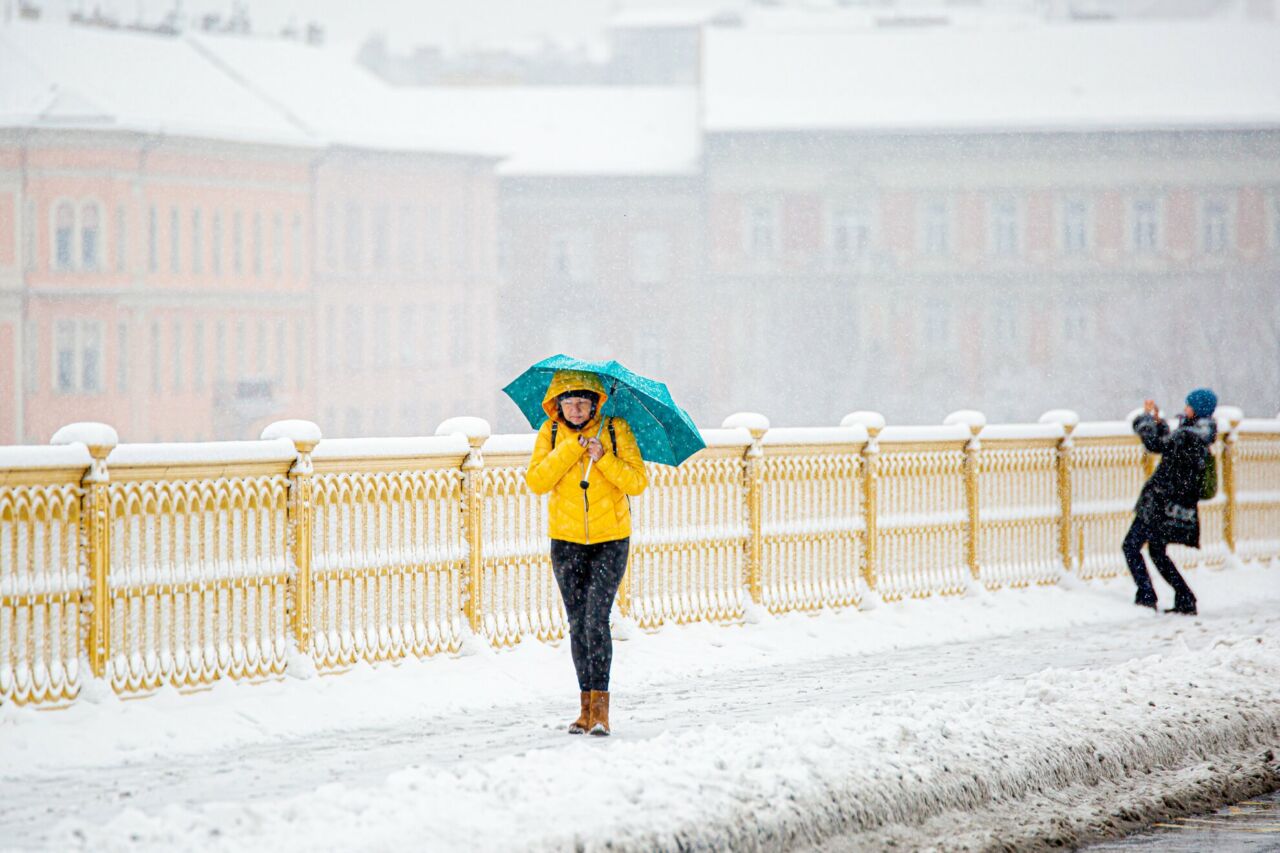
Snowfall is irregular but possible, especially in early or mid-January. Even without snow, the city often has a crisp winter atmosphere, with misty mornings and early sunsets. Daylight lasts around 8.5–9 hours, so planning sightseeing during daylight is important. The shorter daylight hours mean it’s best to start sightseeing earlier in the day. The upside is that winter light can be beautiful for photography, especially around the Danube and Castle Hill.
Despite the cold, Budapest in January is rarely extreme by Central European standards, and with proper clothing, walking around the city remains comfortable.
What to Pack for Budapest in January
Packing correctly is essential for enjoying Budapest in winter. Be prepared for cold temperatures and occasional snow or icy sidewalks.
Recommended items:
- Warm winter coat
- Thermal layers or sweaters
- Waterproof boots with good grip
- Hat, scarf, and gloves
- Thick socks
- A small backpack for layers
- Swimsuit (essential for thermal baths)
If you plan outdoor activities like skating, sledding, or skiing at Normafa, consider packing extra thermal layers and waterproof gloves.
New Year’s Eve Celebration
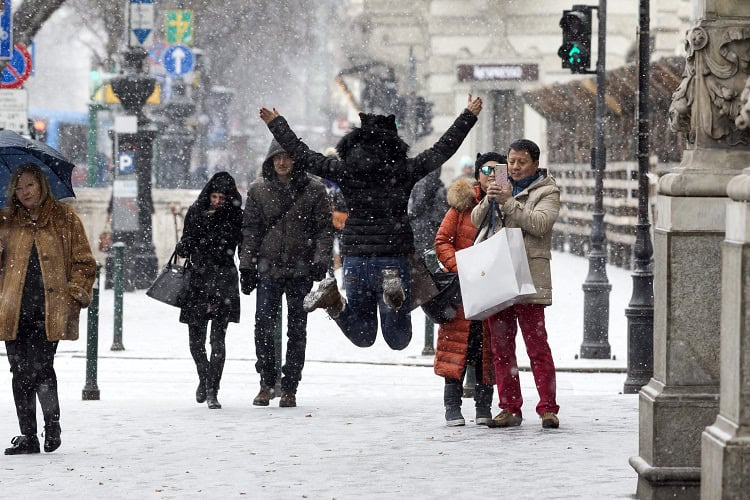
If you arrive in Budapest to celebrate the New Year, most of the sights and shops will close for the holiday. It’s also the perfect opportunity to explore the city when it is quiet. It likes to snow in January sometimes, so you’ll want to be prepared to navigate through the white stuff during your stay.
New Year’s traditions in Budapest combine long-standing Hungarian customs with modern urban celebrations. New Year’s Eve is typically spent with friends or family, often starting with a festive dinner at home or in a restaurant, followed by parties, concerts, or riverfront walks along the Danube. As midnight approaches, many locals gather in public spaces such as Vörösmarty Square, Deák Ferenc Square, or along the riverbanks to welcome the new year. Fireworks are common, even though officially organized displays are limited; instead, the city lights up with smaller, informal celebrations.
Food plays an important role in Hungarian New Year’s traditions. Dishes believed to bring good luck are popular, especially lentils, which symbolize wealth and prosperity for the coming year. Pork dishes are also common, as pigs are traditionally associated with progress and good fortune. In contrast, poultry is often avoided, as folklore suggests it may “scratch away” luck. Champagne is the classic midnight drink, accompanied by toasts and well-wishes.
January 1st is a public holiday in Budapest, and the day is usually quiet. Many locals sleep in, take leisurely walks, or recover at thermal baths, which are especially popular on New Year’s Day. For visitors, experiencing these traditions offers a meaningful glimpse into everyday Hungarian culture.
Is Budapest Crowded in January?
One of the biggest advantages of visiting Budapest in January is the lack of crowds. January is low season for tourism, meaning:
- Shorter queues at major attractions
- Easier restaurant reservations
- Lower accommodation prices
- A more local, authentic atmosphere
Museums, baths, cafés, and public transport operate normally, but with fewer tourists than in spring or summer.
Things to Do in Budapest in January
Visit Thermal Baths in Winter
Budapest is famous for its thermal baths, and January is arguably the best time to enjoy them. Sitting in warm, steaming outdoor pools while the air temperature is near freezing is a unique experience.
Popular options include:
- Széchenyi Thermal Bath – iconic outdoor pools
- Gellért Baths – Art Nouveau interiors
- Rudas Baths – historic atmosphere and rooftop pool
Thermal bathing is not just relaxing but also a cultural experience that locals enjoy year-round.

Winter Sports, Ice Skating and Sledding
Winter opens up fun outdoor activities across the city.
Ice skating:
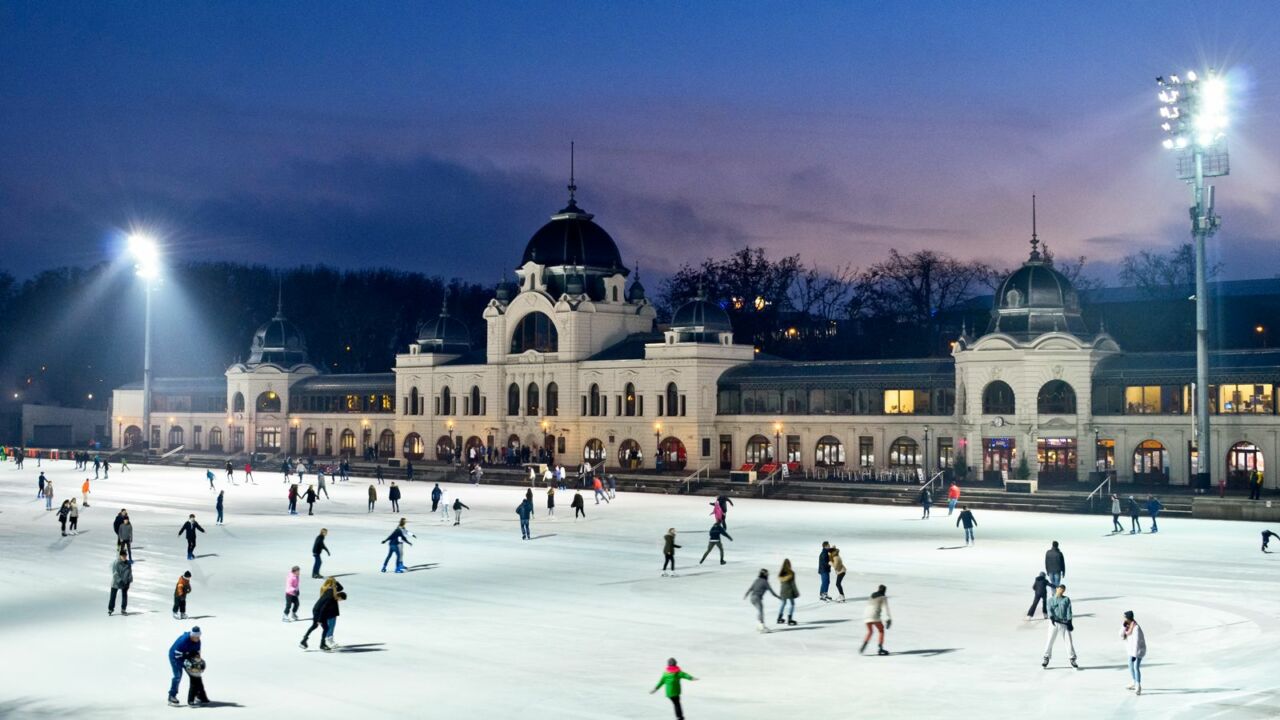
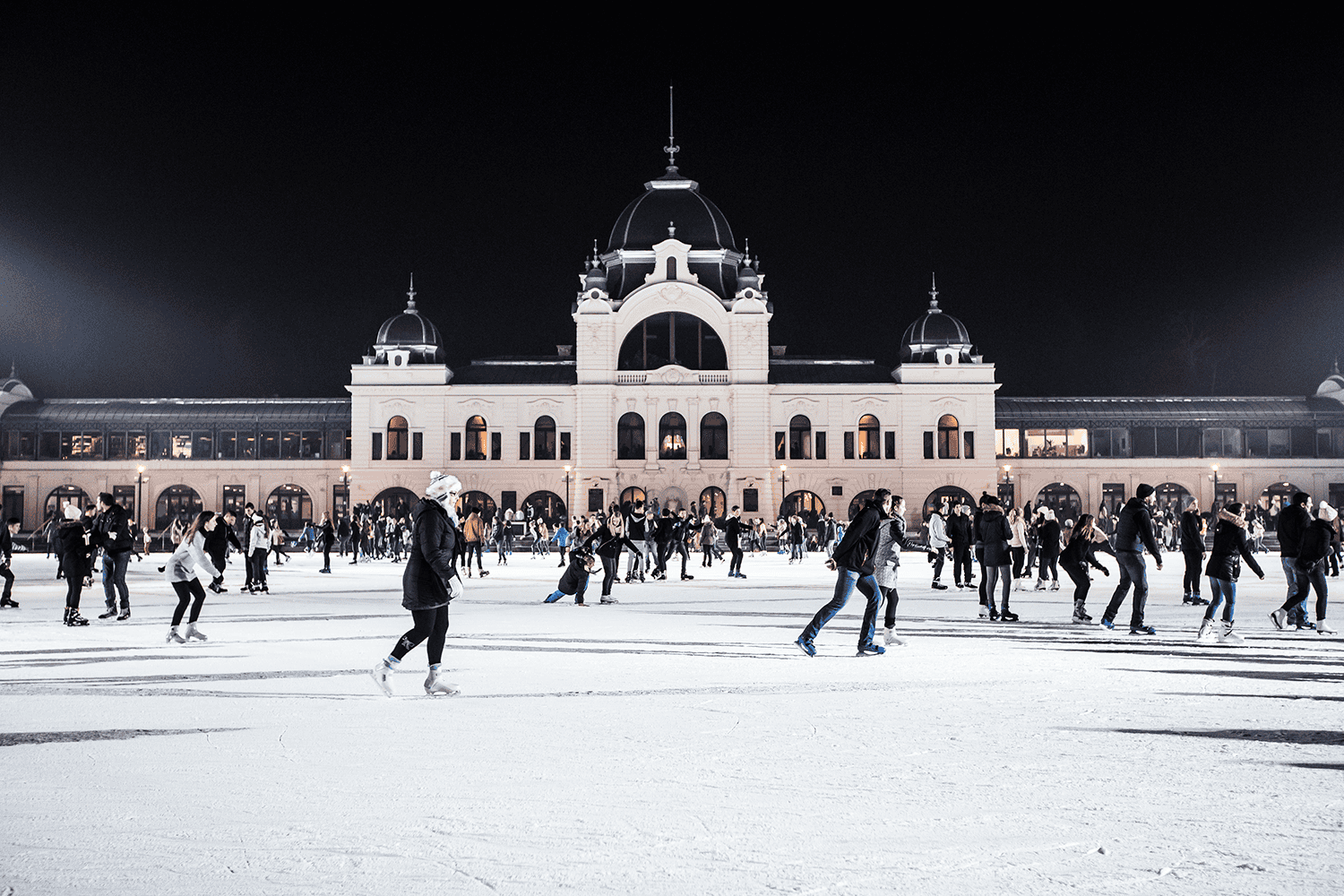
The City Park Ice Rink (Városligeti Műjégpálya) is one of Europe’s largest and most beautiful outdoor ice rinks. Open throughout January, it’s suitable for both beginners and experienced skaters. Evening skating with music is especially atmospheric.
Beyond City Park, there are many other ice skating options across Budapest, including smaller outdoor rinks in districts and popular indoor venues such as MOM Sport, Ice Hall Budapest (Jégcsarnok), and seasonal pop-up rinks at shopping centers, making skating easily accessible throughout the city in winter.
Sledding:
Several hills around Budapest become informal sledding spots after snowfall. Popular areas include:
- Normafa
- Hármashatár-hegy
- parts of City Park for children
Skiing at Normafa:
When snow conditions allow, Normafa Park offers small ski slopes ideal for beginners and families. While it’s not a full ski resort, it’s a fun and unexpected winter activity right inside Budapest, easily accessible by public transport.
January Events and Festivals in Budapest
January may be cold, but Budapest’s cultural calendar stays active.
Budapest International Circus Festival
Held every January, the Budapest International Circus Festival is one of the most prestigious circus events in the world. Artists from across the globe perform acrobatics, aerial shows, and contemporary circus acts. The festival attracts both professionals and tourists and is a great option for families as well as culture lovers.
Generali Freeze & Rock A Rail
This unique winter sports and music event takes place at or near the City Park Ice Rink. Generali Freeze & Rock A Rail combines snowboarding and freestyle competitions with live music and street food, creating a vibrant winter festival atmosphere in the heart of the city.
Budapest International Documentary Film Festival (BIDF)
The Budapest International Documentary Film Festival (BIDF) usually runs from late January into early February. Screenings take place at multiple cinemas across the city, featuring international and Hungarian documentaries, filmmaker Q&A sessions, and special events. It’s an excellent cultural program for visitors interested in film and social topics.
Hungarian State Opera and Classical Performances
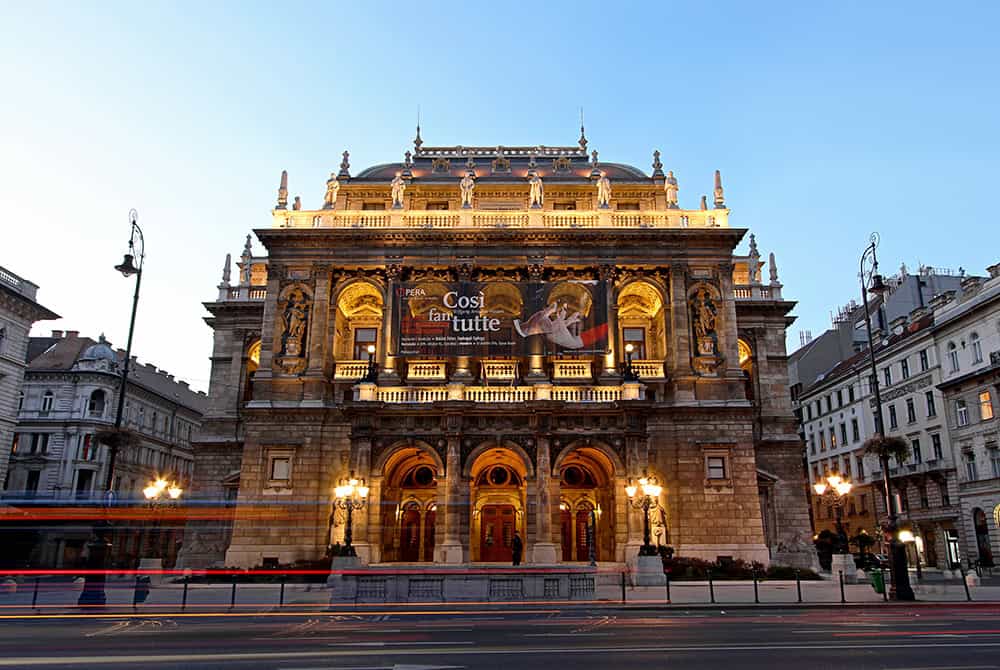
January is a strong month for classical music in Budapest. The Hungarian State Opera continues its season with opera and ballet performances, while concert halls host symphonic concerts and chamber music events. Tickets are often easier to get than during peak tourist months.
Christmas Markets?
Most Christmas markets close by January 1 or shortly after. By mid-January, traditional markets are no longer operating. However, winter street food, cafés, and wine bars continue to offer seasonal menus with hearty Hungarian dishes.
Dining and Café Culture in January
Budapest’s café scene shines in winter. Historic cafés and modern specialty coffee shops provide warm refuges from the cold. January is also a great time to try traditional Hungarian dishes such as goulash, stews, and chimney cake. Seasonal desserts, rich hot chocolates, and mulled wine are widely available, adding to the cozy atmosphere. Many cafés invite visitors to slow down, warm up, and experience Budapest’s famous coffeehouse culture at its most authentic.
Restaurant reservations are generally easier than in high season, and some places offer winter menus or discounts.
Practical Travel Tips for Budapest in January
- Public transport runs normally and efficiently, even in winter.
- January 1 is a public holiday; many shops and attractions may be closed that day only.
- Always check opening hours for baths and museums, as winter schedules can vary.
- Book tickets for festivals, opera, and concerts in advance.
Final Thoughts
Visiting Budapest in January is ideal for travelers who enjoy culture, winter activities, and a quieter city atmosphere. From thermal baths and ice skating to international festivals, opera performances, and even skiing at Normafa, January proves that Budapest has plenty to offer beyond the summer season.

While January is known for its crisp temperatures, you can find a comprehensive breakdown of the entire season’s activities in our ultimate guide to surviving and thriving in Budapest in Winter.
FAQ
Is Budapest worth visiting in January?
Yes. Budapest in January offers fewer crowds, lower prices, winter festivals, and a cozy atmosphere, especially if you enjoy culture and thermal baths.
Is it too cold to walk around Budapest in January?
With proper clothing, walking is comfortable. The city is compact, and cafés and attractions provide frequent warm breaks.
Can you ski in Budapest in January?
Yes, when conditions allow, Normafa offers small ski slopes suitable for beginners and families.
Are thermal baths open in January?
Yes, Budapest’s thermal baths are open year-round and are especially popular in winter.