Capital of Hungary – Budapest
Where is Hungary and what is its capital?
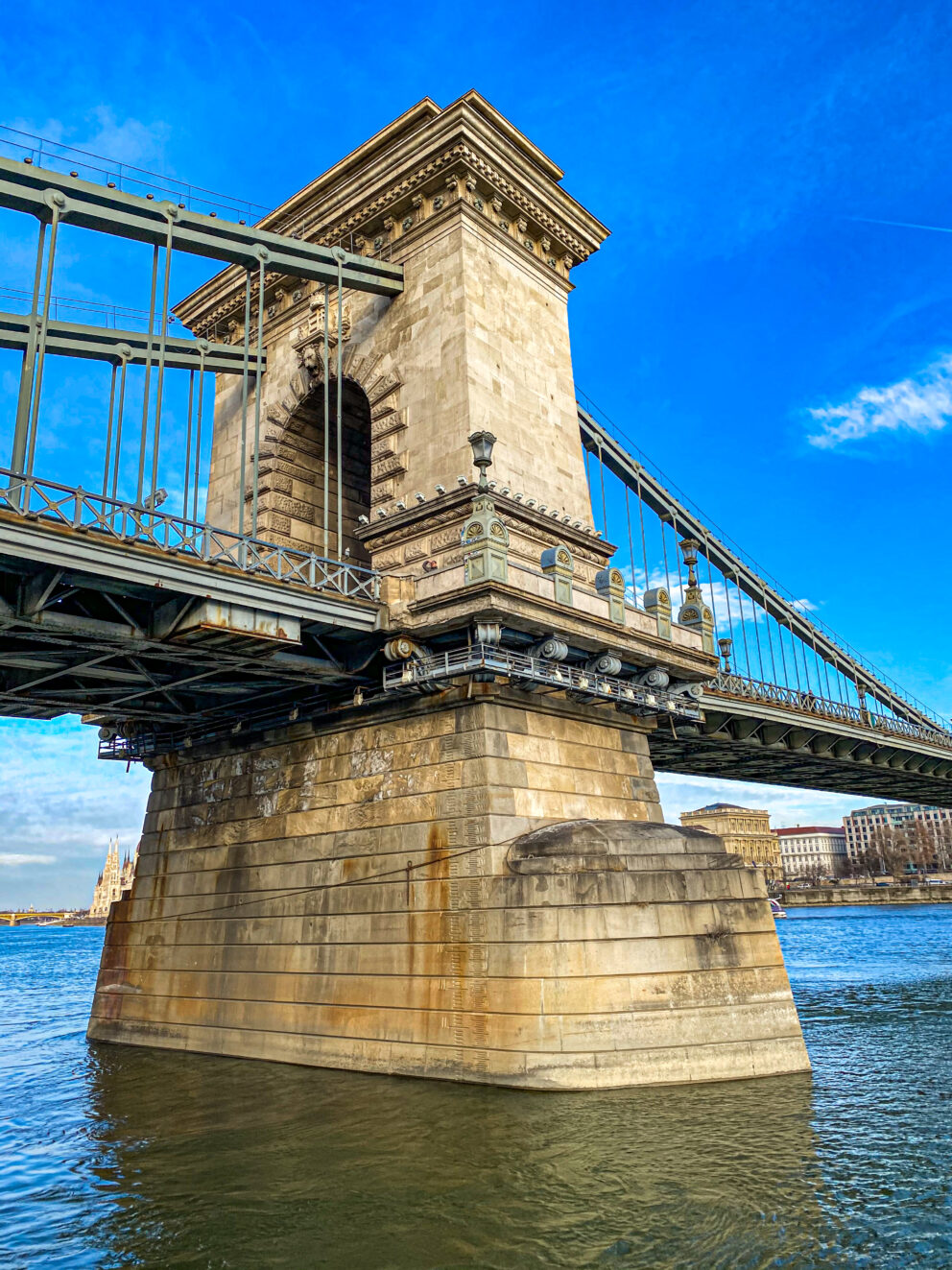
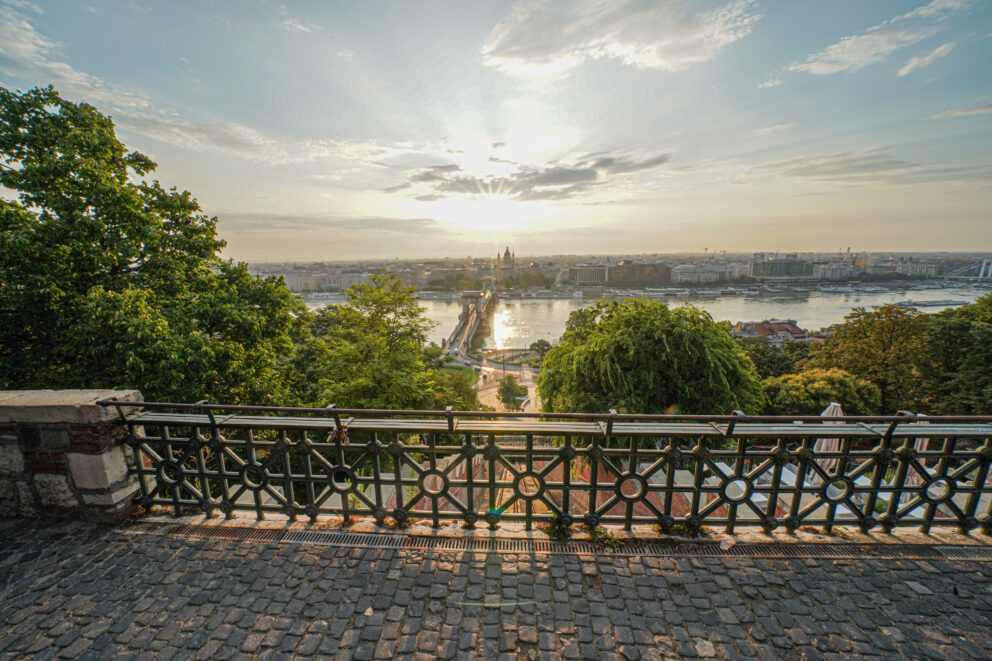
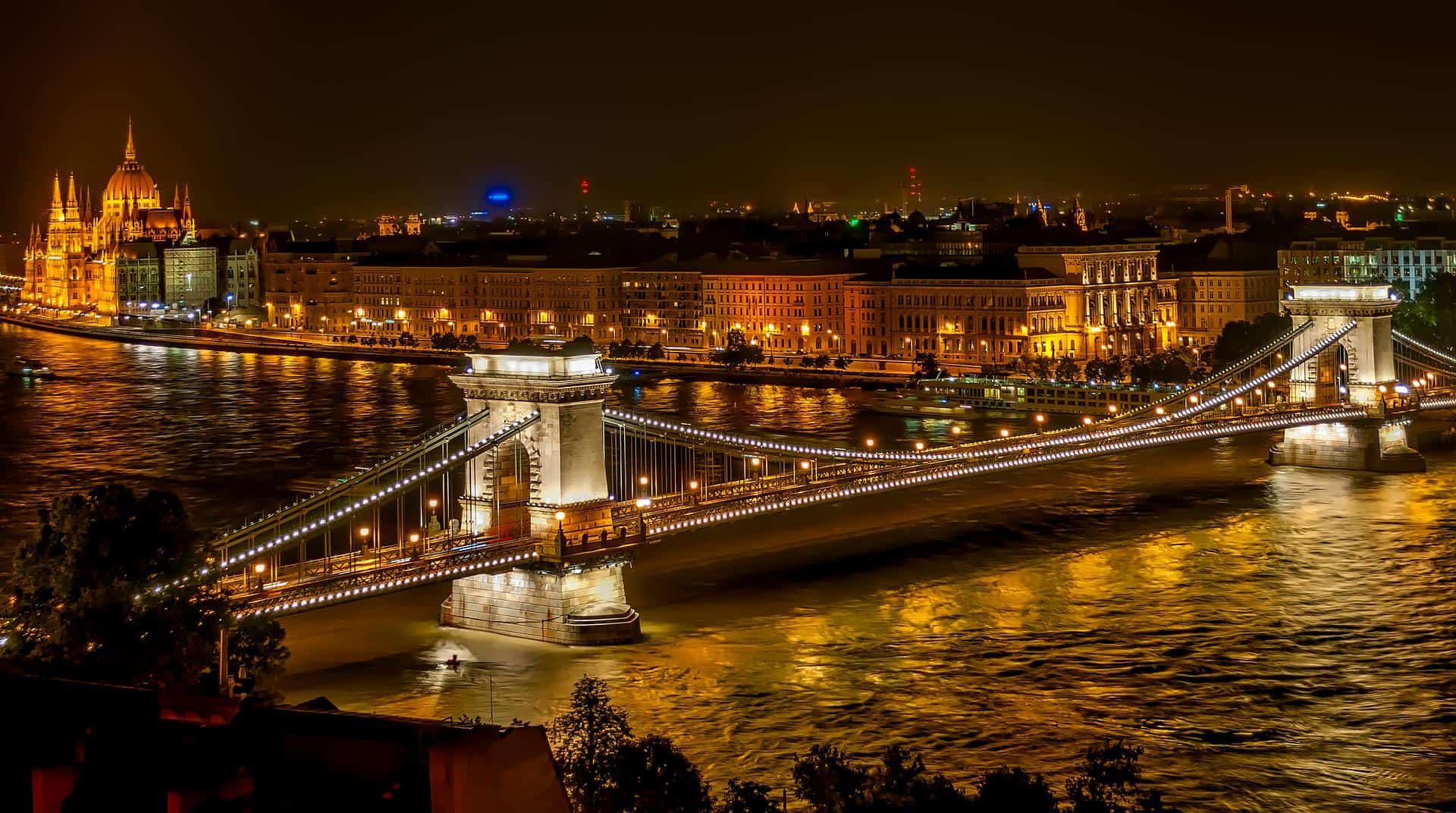
The capital of Hungary is Budapest. It was established in 1873 as a union of two cities, Buda and Pest, located on the opposite shores of the Danube River. Pest is flat, buzzing with bars, parks, and vibrant nightlife, while Buda is hilly, green, and quieter, with more residential areas and historic sights.
- • The capital of Hungary is Budapest. It is the country’s most populous city, political center, and cultural heart, situated prominently on both banks of the Danube River.
- • Budapest was officially created in 1873 through the unification of three previously distinct cities: the hilly, historic Buda and Óbuda on the west bank of the river, and the flat, bustling, commercial center of Pest on the east bank.
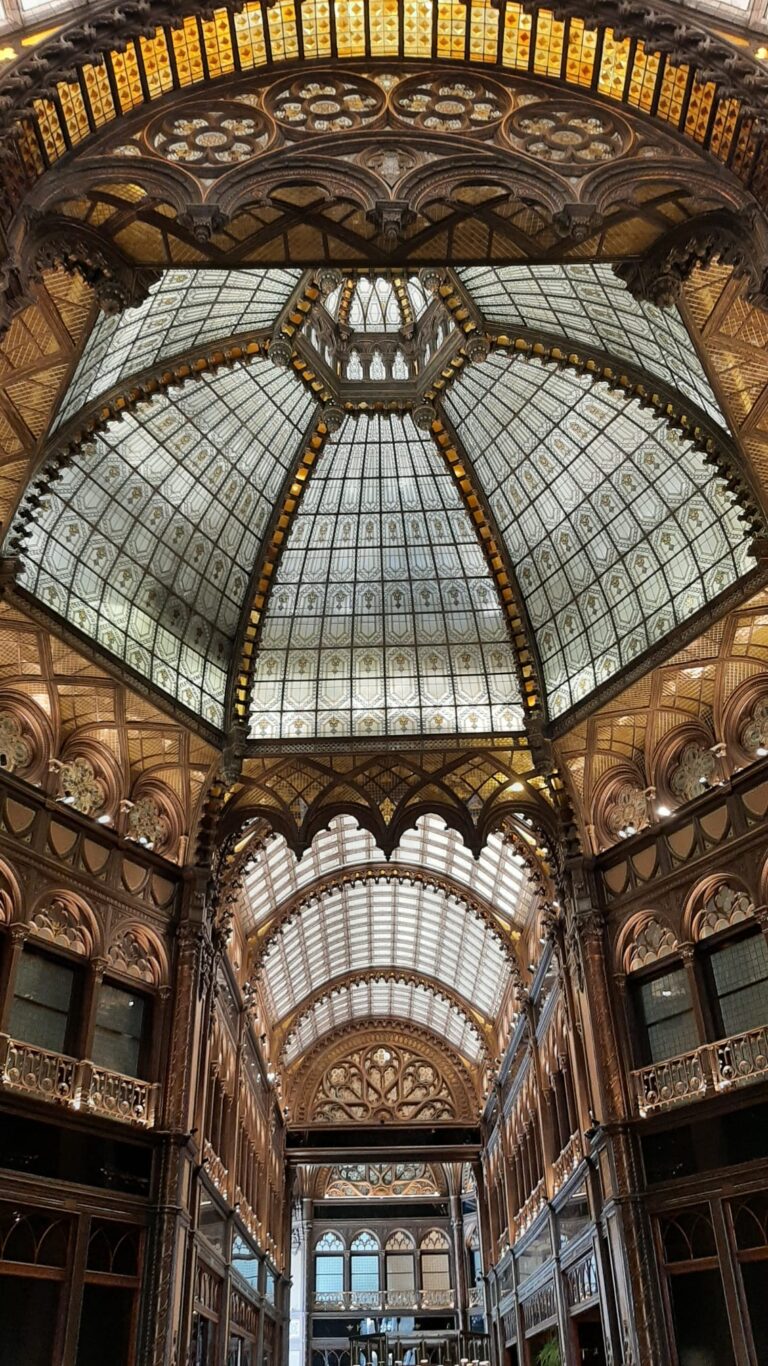
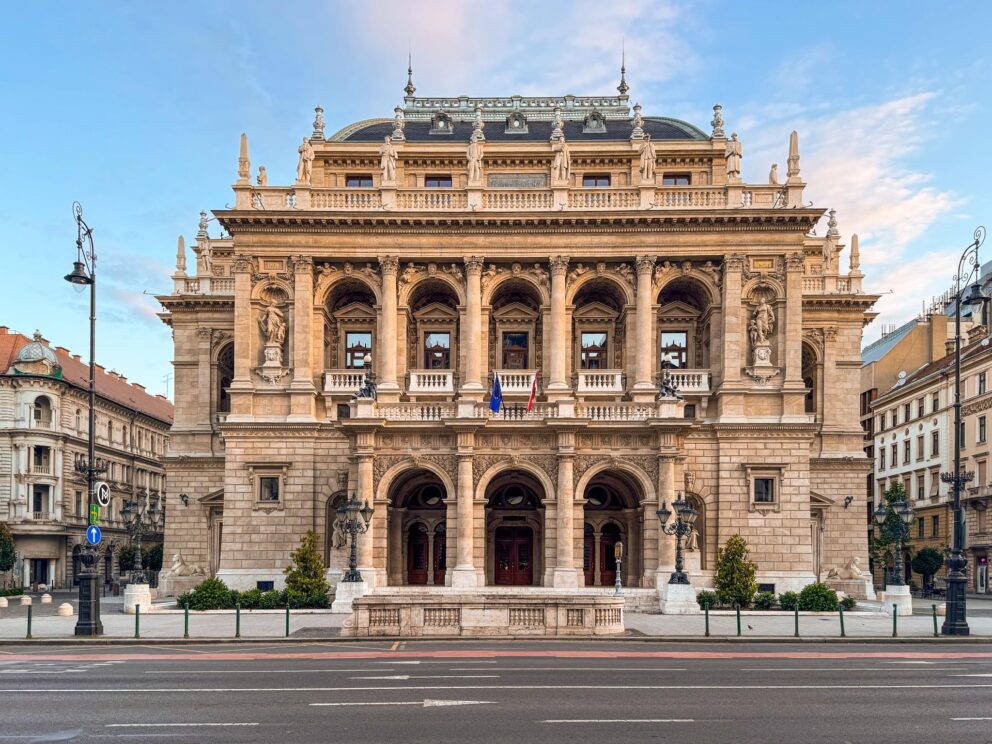
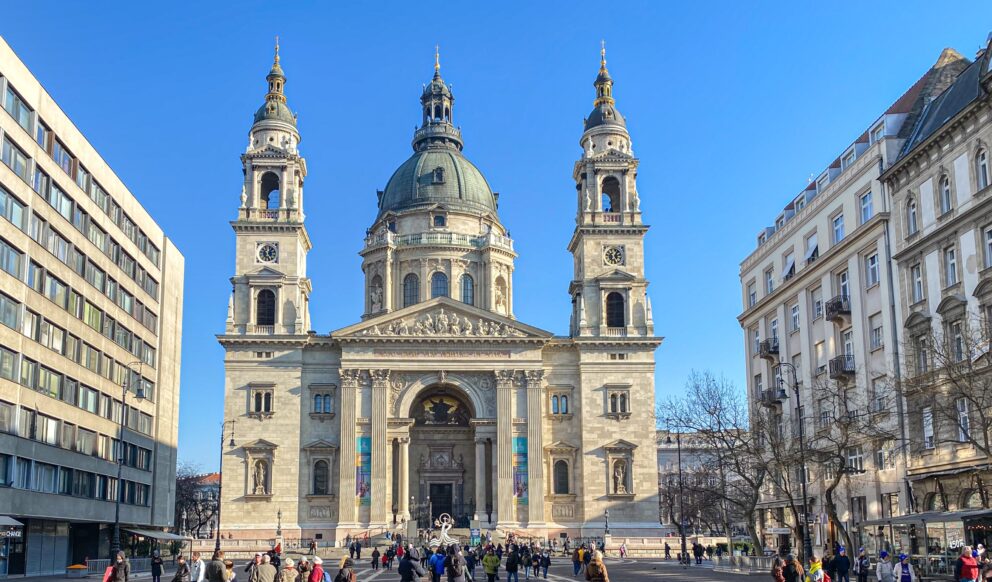
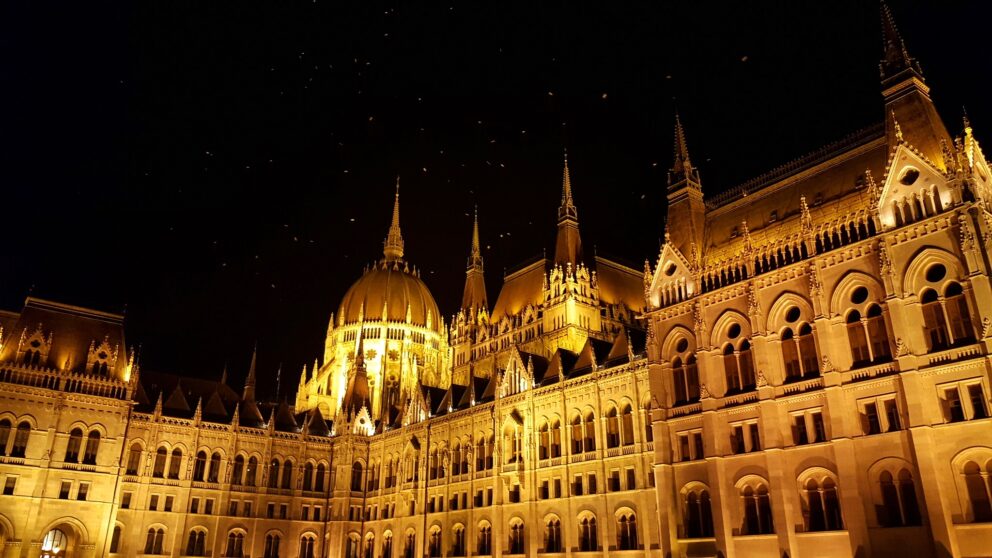
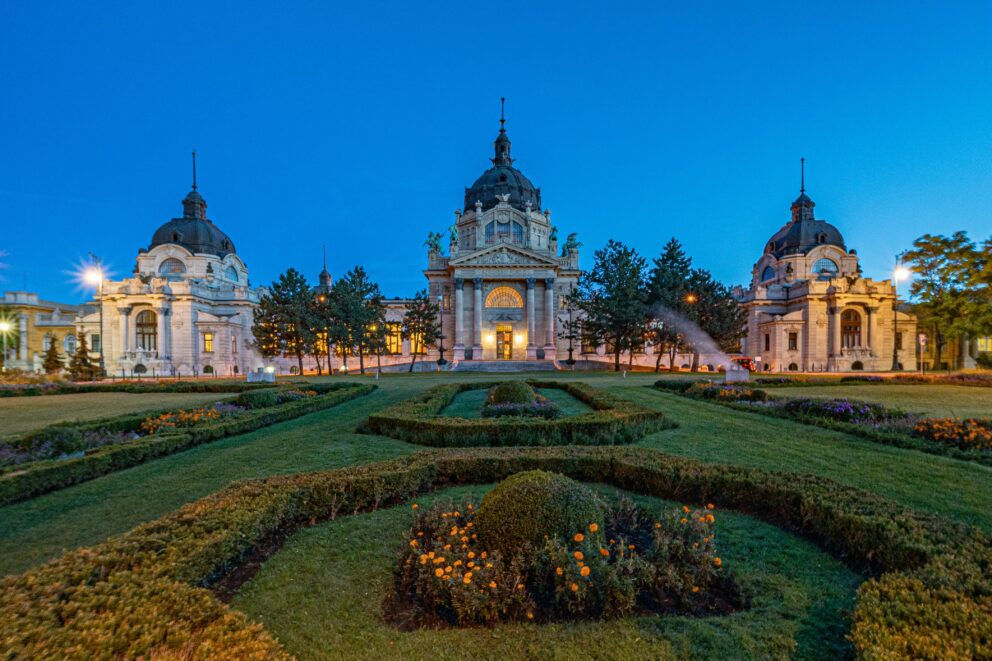
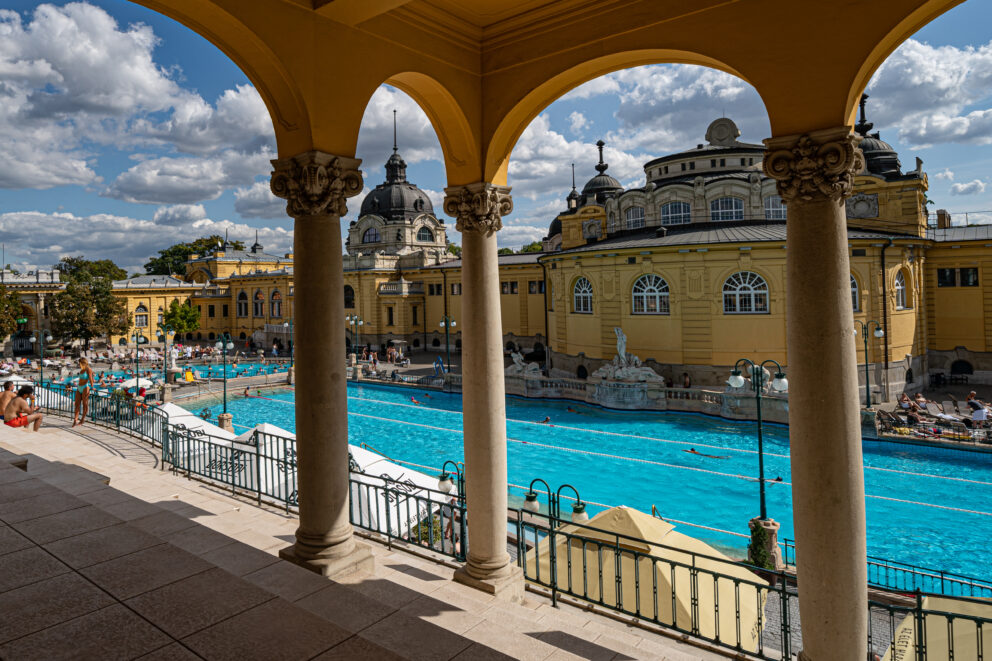
- • Known as the ‘Pearl of the Danube,’ Budapest is world-famous for its incredible architectural heritage, large thermal bath complexes (like Széchenyi and Gellért), and its striking Parliament building, which is one of the largest in the world.
Budapest is surrounded by settlements of the metropolitan agglomeration in Pest County. The city is a popular holiday destination thanks to its location in Europe, its history, stunning architecture, delicious cuisine, and the fact that visitors often get excellent value for their money.
How to access the capital of Hungary
Budapest is easy to reach thanks to its central position in Europe. You can arrive by bus, train, airplane, boat, or car.
- By car: Hungary’s road network is well developed, and several highways lead directly to Budapest.
- By train: The capital has three main railway stations — Nyugati, Keleti, and Déli — with international and domestic connections.
- By bus: Long-distance coaches arrive mainly at Népliget or Kelenföld bus stations.
- By plane: Most international visitors arrive via Budapest Ferenc Liszt International Airport (BUD), located about 16 km from the city center. Taxis, shuttle services, and public buses connect the airport with the city.
- By boat: You can take a river cruise along the Danube, some traveling all the way from Austria through Budapest to the Black Sea.
Is Budapest safe?
Budapest is considered a very safe city for tourists, whether traveling alone or in a group. Violent crime is extremely rare, and there has been no history of terrorist attacks. The most common risk is pickpocketing, especially in crowded tourist areas, but this can be avoided with normal precautions. Read more info about this topic in our article.
Budapest weather
Budapest has four distinct seasons:
- Winter is usually cold, sometimes snowy, with temperatures mostly between –5 °C and +5 °C (extreme lows around –10 to –12 °C).
- Spring is mild but can be unpredictable.
- Summer is hot, often reaching 30–35 °C, with occasional heatwaves that may climb even higher.
- Autumn starts with mild “Indian summer” weather and gradually cools into winter.
Read more info about this topic in our article.
Where to stay?
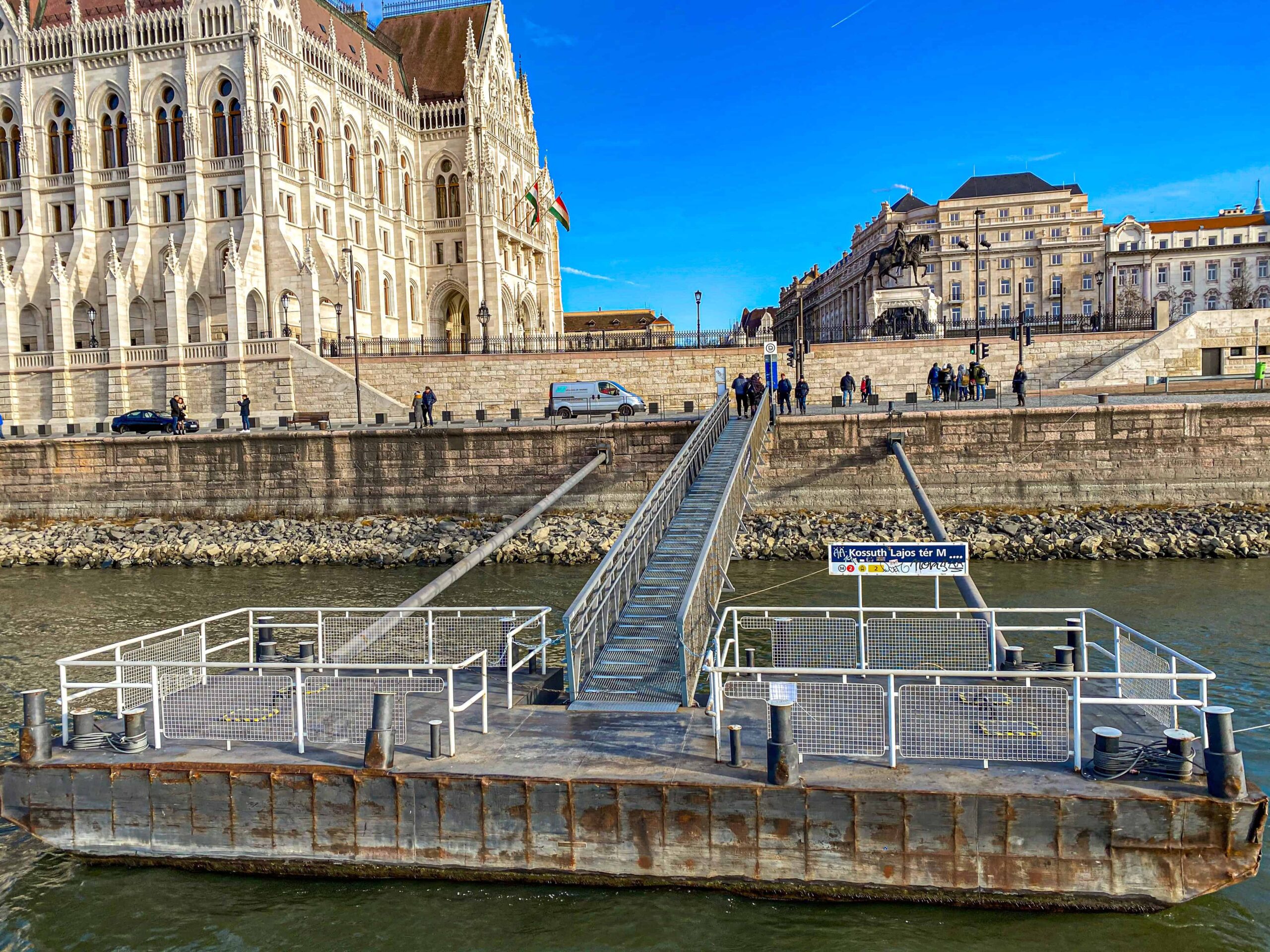
- Stay in Pest if you prefer nightlife, shopping, and the lively urban atmosphere.
- Stay in Buda if you want peace, beautiful green spaces, and panoramic views.
Public transportation is very reliable and affordable, so even if you book in the suburbs, you can reach downtown within about an hour.
Did you know?
- Budapest is home to about 1.7 million people, making it by far the largest city in Hungary.
- The city’s land area is about 525 km².
- GPS coordinates: 47° 29′ 52″ N, 19° 2′ 24″ E.
- Budapest has more thermal water springs than any other capital city in the world — visiting a bath like Széchenyi or Gellért is a must.
- Drinking alcohol in public spaces is restricted in many areas, especially in downtown districts. Always check local signs and rules.
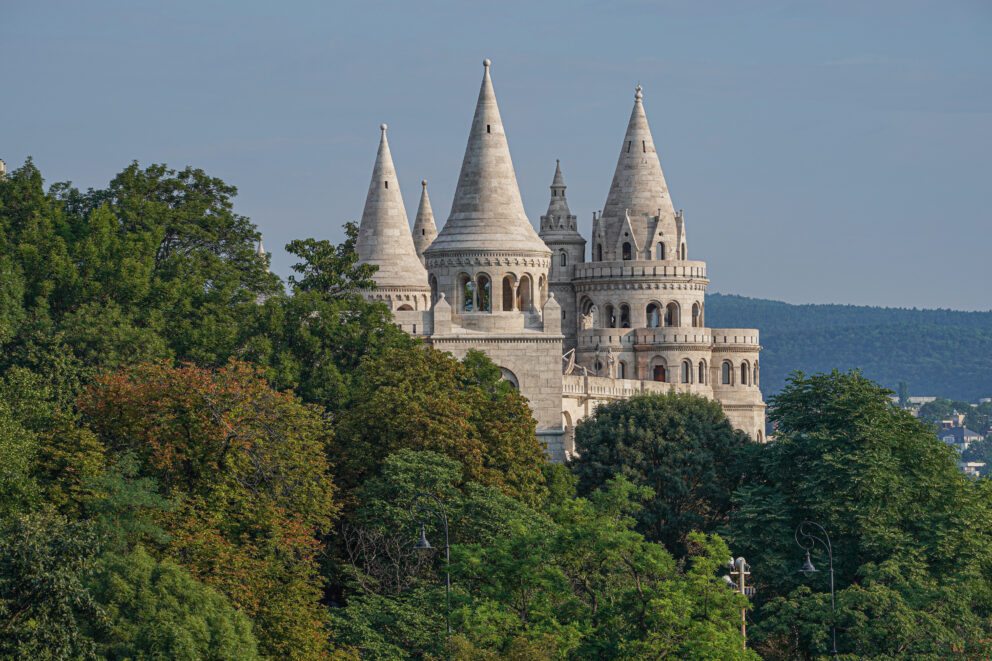
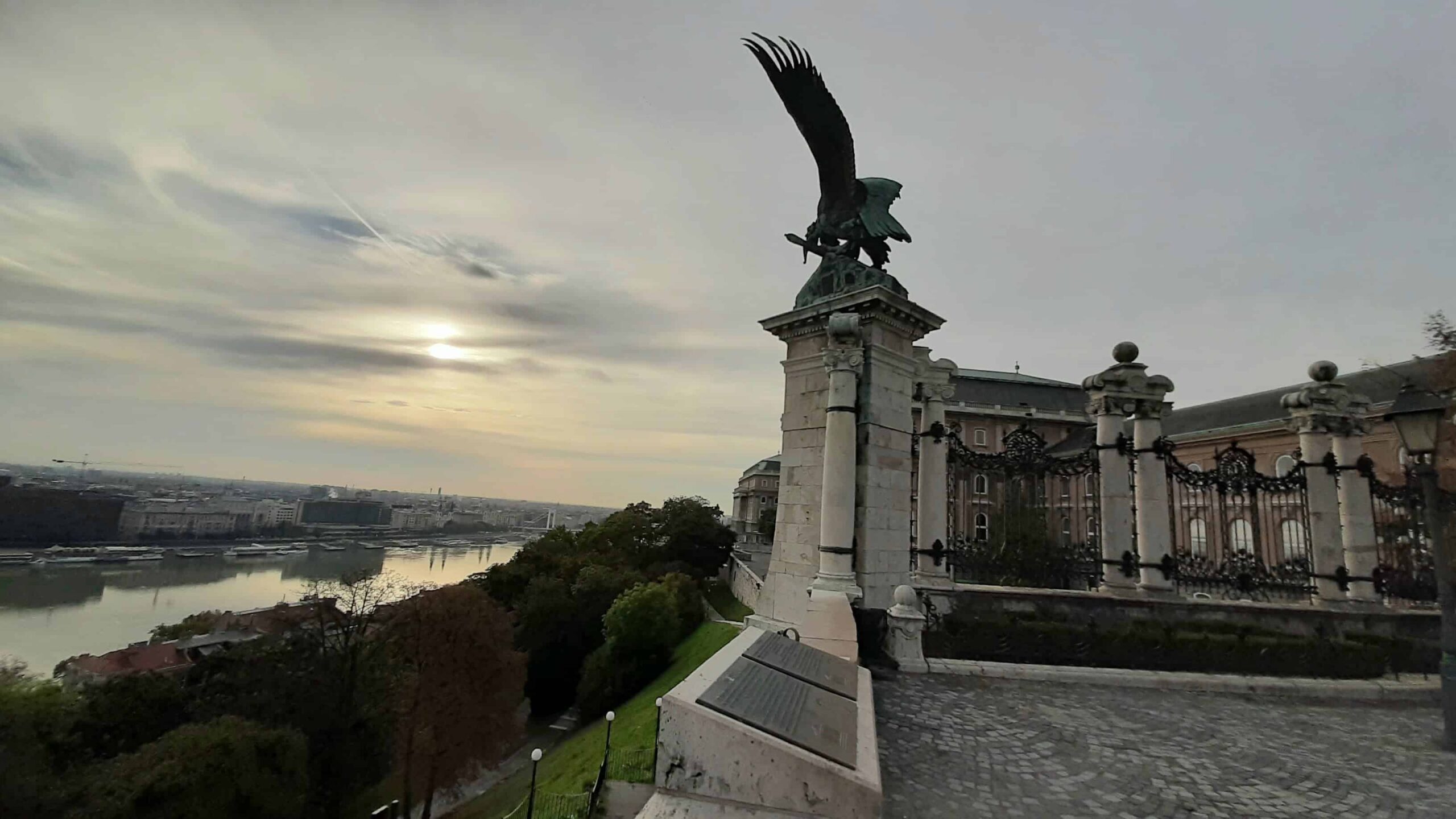
- Budapest’s panorama from Castle Hill and its UNESCO-listed Danube banks are among the most beautiful cityscapes in Europe.
- Andrássy Avenue and its surroundings, including Heroes’ Square and the Millennium Underground, are also part of Budapest’s UNESCO World Heritage sites.
- Budapest is home to the longest children’s railway line, known as the Gyermekvasút, stretching over 11.7 kilometers.
- Budapest is divided into 23 districts, numbered in a clockwise spiral starting from District I in Buda, so you can often guess a district’s location just from its number.
- In Budapest, house numbers usually start from the side closest to the Danube, with even numbers on the right and odd numbers on the left, making it easier to find your way around the city.
Summary
Budapest is a fantastic destination for a weekend trip, a longer holiday, or even study abroad. With its mix of grand architecture, vibrant cultural life, relaxing spas, green parks and islands, and tasty Hungarian cuisine, the city offers something for every traveler.
More interesting and useful tips
Where is Budapest? What pleasures does this amazing city offer to the tourists? If you are interested, you should read our article on the topic. As everyone knows, who once visited Budapest, this is the city, which you will never forget in your life!
Do you want to know everything about the Hungarian currency? Check our article in the topic!
Parking Budapest – check out our article on this topic to avoid fines and find the best parking spots, even for free.