Hungarian language
Tucked away in the heart of Europe is a language that feels like no other. It doesn’t sound Slavic, Germanic, or Romance — because it’s none of those. Hungarian stands alone, bold and beautiful, with a logic all its own. And while it may seem intimidating at first, it just might become one of the most fascinating parts of your trip.
- • The Hungarian language (Magyar) is completely unique in Central Europe. It belongs to the Finno-Ugric language family, meaning it shares absolutely no linguistic relation to its Slavic, Germanic, or Romance neighbors.
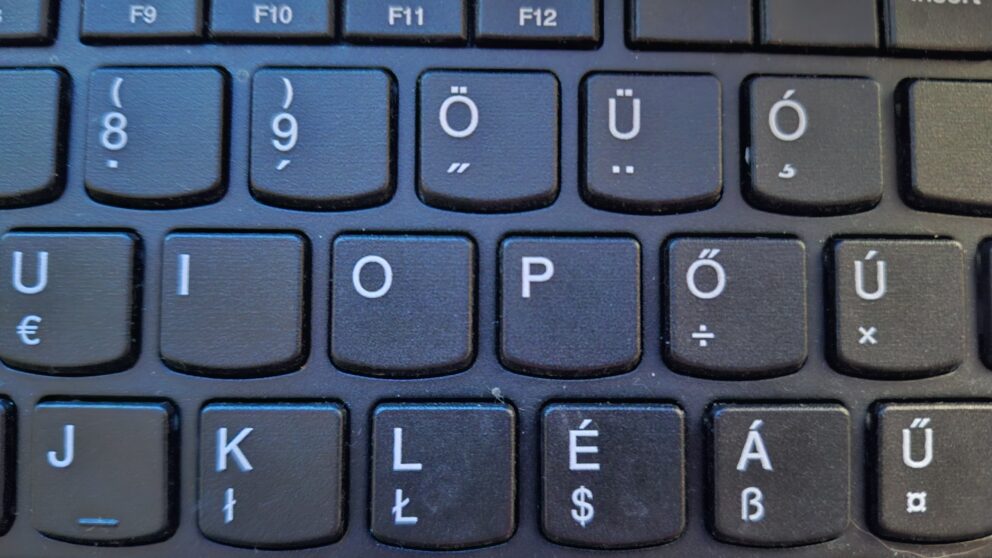
- • It is widely considered one of the most difficult languages in the world for English speakers to learn, primarily due to its complex agglutinative grammar and 44-letter alphabet featuring unique vowel sounds.
- • Fortunately for travelers, English is incredibly widely spoken in Budapest, especially within the hospitality, restaurant, and tourism sectors, making navigation very easy without speaking Hungarian.
Why Hungarian is so interesting (and fun!)
You’ve arrived in Budapest, and you hear a language that sounds like… nothing you’ve heard before. Welcome to Hungarian – or as locals call it, “magyar.” It’s often listed as one of the world’s most unique (and challenging!) languages, but don’t worry: you don’t need to master it to enjoy your trip.
Still, a few basics in Hungarian language – and understanding what makes it special – can go a long way in connecting with locals and having fun along the way.
Even some of the world’s brightest minds have commented on Hungarian’s uniqueness. Nobel Prize–winning playwright George Bernard Shaw once quipped, “Hungarian is the only language the devil respects,” capturing its fearsome reputation for complexity with characteristic wit. Meanwhile, physicist Enrico Fermi famously said, “When I want to solve a really difficult problem, I ask a Hungarian,” highlighting not only Hungary’s legacy of brilliant thinkers but also the intricate logic that underpins the language itself.
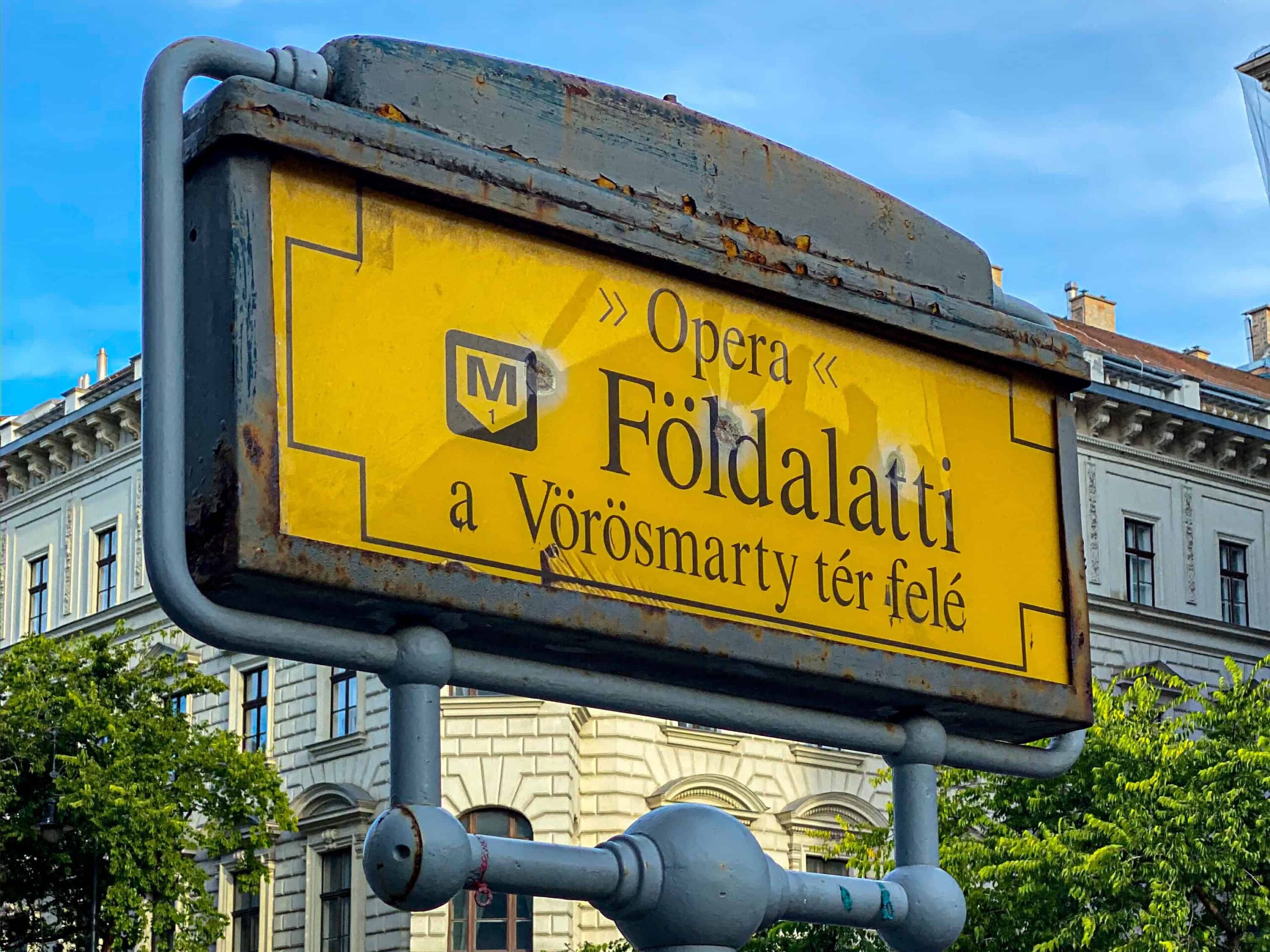
Where does Hungarian come from?
Hungarian, the official language of Hungary isn’t related to any of its neighbors like Slovak, German, or Romanian. It belongs to the Finno-Ugric language family (or Uralic) – which makes its closest living relatives Finnish and Estonian! That said, the similarities are more structural than lexical, so knowing Finnish won’t really help you order a coffee in Budapest. Hungarian has evolved in near-isolation for centuries, picking up words from Slavic, Turkish, and German along the way.
This long linguistic journey means that Hungary, despite being in the heart of Europe, has developed a language that stands entirely apart – a kind of linguistic island surrounded by Indo-European language speaker neighbors.
Hungarians are deeply proud of their language, which they see as rich, expressive, and uniquely theirs. It’s not uncommon for locals to gently correct the misconception that Hungarian is a Slavic language — it’s not, and saying so might raise an eyebrow!
Because they know how rare and difficult their language is, Hungarian people genuinely respect and appreciate foreigners who make even the smallest effort to speak Hungarian. A simple “szia” or “köszönöm” often goes a long way in showing that you care.
A few facts:
- Approximately 13–15 million people speak Hungarian worldwide. About 9.5–10 million are native speakers in Hungary, while the rest live in neighboring countries (like Romania, Slovakia, Serbia, and Ukraine) and in Hungarian diaspora communities around the world (especially in the U.S., Canada, and Australia).
- Around 1–2 million people speak Hungarian as a second language, mostly in Central and Eastern Europe. It’s also taught in some universities globally.
- The Hungarian alphabet has 44 letters, including 14 unique vowel characters. It’s based on the Latin script but includes digraphs and even a few trigraphs (like “dzs”).
- Hungarian has 14 vowel phonemes, and it features a concept called vowel harmony. This means suffixes change form depending on whether the word contains front or back vowels — a feature rare in Indo-European languages.
- There are 18 grammatical cases, although some are debated or rarely used. These cases replace many of the prepositions used in English.
- Hungarian is an agglutinative language, meaning you add prefixes and suffixes to a word stem to modify its meaning. This can create very long compound words.
- Hungarian has flexible word order, as meaning is carried by suffixes rather than position. However, emphasis and topic-comment structure influence typical sentence flow.
- In Hungarian, the first syllable of every word is always stressed — no exceptions. This gives the language a steady rhythm.
- The name of Hungary in Hungarian is “Magyarország” where “Magyar” means Hungarian and “ország” means “country”.
Still with us? Great — because now it gets even more fascinating.
Language and culture: what makes it so “Magyar”?
Language and culture go hand in hand in Hungary. Here are a few things tourists often find surprising:
- Hungarian name order is reversed: Hungarians say the family name first (e.g., Nagy László, not László Nagy).
- Tegezés vs. magázás: Like in some other European languages, there’s a formal and informal “you.” If in doubt, just be polite — Hungarians are understanding.
- Name days matter: People often celebrate their name day as well as their birthday.
- Wordplay and humor: The language allows for endless word combinations and puns – something Hungarians really enjoy. This playful use of language reflects their love for cleverness and wit, making conversations lively and entertaining. Whether in poetry, jokes, or everyday chats, Hungarians often delight in surprising twists of meaning and creative expressions that showcase the richness and flexibility of their language.
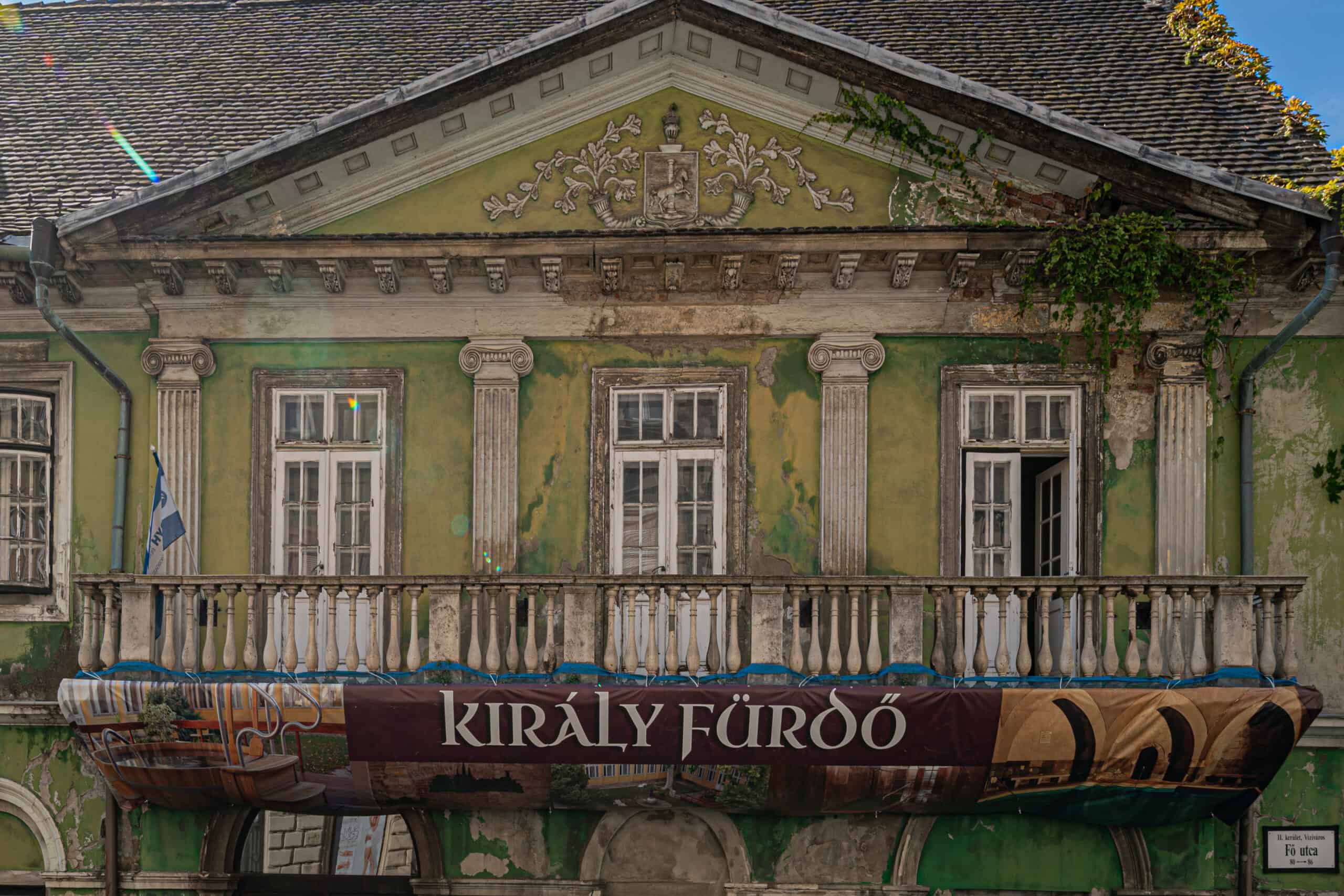
Handy Hungarian language phrases for tourists
Here are a few useful phrases that might come in handy:
| English | Hungarian | Pronunciation |
|---|---|---|
| Hello / Hi | Szia / Helló | see-ya / heh-lo |
| Good morning | Jó reggelt | yo reh-gelt |
| Thank you | Köszönöm | kuh-suh-nuhm |
| Please | Kérem | keh-rehm |
| Yes / No | Igen / Nem | ee-gen / nem |
| Do you speak English? | Beszél angolul? | beh-sail ahn-goh-lool |
| I don’t understand | Nem értem | nem air-tem |
| One beer, please | Egy sört kérek | edge shirt keh-rek |
Pro tip: Every letter is pronounced in Hungarian language. It’s phonetic — once you get used to it.
Survival tips for navigating the language
- Younger people in Budapest often speak good English, especially in restaurants and hotels.
- Learning a few basic Hungarian words will earn you smiles (and maybe better service).
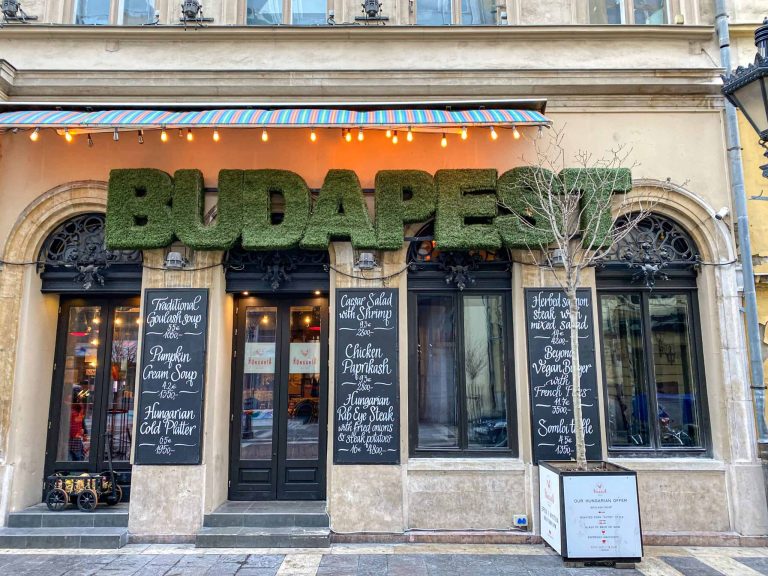
- Many menus and signs are bilingual, but don’t assume — it’s always smart to ask.
- Want to learn more? Apps like Duolingo, Mondly, or even Google Translate’s camera feature can be lifesavers.
Final thoughts: It’s okay to be bold (and a little clueless)
You’re not expected to speak fluent Hungarian – but even trying a simple “köszönöm” (thank you) or “szia” (hi) can break the ice and brighten someone’s day. Hungarians truly appreciate when visitors make the effort to speak their language, no matter how imperfectly. In fact, they respect and admire anyone who dares to try, knowing how challenging Hungarian can be. Don’t worry about making mistakes — it’s part of the fun and the learning process.
So go ahead: stumble through a few words in the Hungarian language, smile warmly, and be proudly imperfect. This genuine effort opens doors, sparks friendly conversations, and creates memorable moments. Budapest will reward your courage and curiosity with heartfelt warmth, spontaneous laughter, and quite possibly a delicious pastry shared in a cozy café. After all, language is about connection, not perfection.
FAQ
What is the origin of the Hungarian language?
The Hungarian language, also known as Magyar, belongs to the Uralic (or Finno-Ugric) language family. It is primarily spoken in Hungary and among the Hungarian people living in neighboring countries. The roots of the language can be traced back to the Ural Mountains region, where it is believed to have originated before spreading across the Carpathian Basin. The history of the Hungarian language is complex, with influences from various languages, including Latin and Slavic languages, due to the interactions with neighboring cultures over centuries.
Is Hungarian an agglutinative language?
Yes, the Hungarian language is classified as an agglutinative language. This means that it forms words and expresses grammatical relationships through the addition of various suffixes to root words. For instance, a single Hungarian word can contain multiple suffixes that modify its meaning or indicate grammatical functions such as tense, possession, or plurality. This characteristic makes Hungarian grammar quite different from that of Indo-European languages.
How does vowel harmony work in Hungarian?
Vowel harmony is a distinctive feature of the Hungarian language, where vowels within a word harmonize to be either front or back vowels. This means that suffixes added to a word will change based on the vowel type of the root word. For example, if a word contains front vowels like ‘e’ or ‘i’, the attached suffixes will also use front vowels. This system not only impacts Hungarian word formation but also helps maintain the phonetic consistency of the language.
What are some unique features of Hungarian grammar?
Hungarian grammar is unique compared to many European languages in both structure and logic. Instead of relying heavily on word order like English or using prepositions like German or French, Hungarian uses suffixes and cases to indicate the role of each word in a sentence. This means that the same idea can often be expressed in several different word orders — with the meaning preserved through endings rather than position.
Another standout feature is vowel harmony, where suffixes change form depending on the vowels in the root word. Hungarian language also boasts agglutination, meaning you can build long, complex words by adding multiple suffixes to a root — a bit like stacking Lego pieces. The result? A language that’s highly logical, expressive, and sometimes beautifully complex.
Have you ever wondered where Hungary is located, how you can get there and what you will find there? Read the article and find out more!