Birdwatching in Budapest
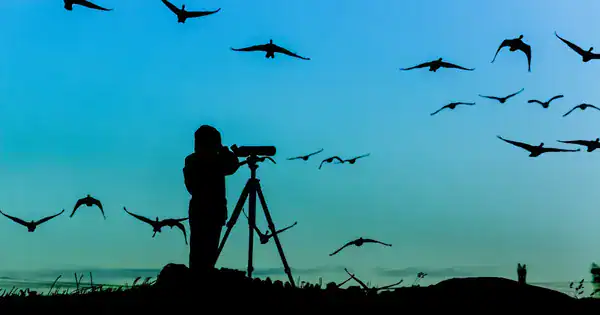
Explore Budapest as a birdwatcher as we go from the Danube to the Buda Hills.
Budapest is made for birders. Catch a bird’s-eye-view of the city from a rooftop bar or St. Stephen’s Basilica and you’ll understand why — this isn’t your average concrete jungle. From the banks of the wide Danube River to the lush city parks and wild woodlands of the Buda Hills, there are plenty of places to spot wildlife. Avid bird watchers can easily admire songbirds, raptors and waterfowl from the comfort of a park bench or a quiet, shady space. And, located in the heart of Europe, Hungary itself is the perfect pitstop for the best European species and migrating birds. So, grab your binoculars and let’s see what we can check off our birding list while exploring Budapest.
- • Budapest is a hidden gem for birdwatching, offering diverse habitats such as the Danube riverbanks for waterfowl, large urban parks like Margaret Island for songbirds, and the forested Buda Hills for raptors and woodpeckers.
- • Key species to look for include the Tawny Owl in Normafa, various species of gulls and cormorants along the Danube, and the ubiquitous Hooded Crow in the city’s green spaces.
- • The best times for birdwatching in the Hungarian capital are during the spring and autumn migration periods, though winter provides excellent opportunities for observing waterfowl along the non-freezing sections of the Danube.
On the shores of the Danube
The wide River Danube rushes directly through Budapest, splitting the city in half as it snakes its way beneath the famous bridges and around Margitsziget (Margaret Island). Its muddy banks are a valuable food source for many birds. Walk along the Buda or Pest side and you may be able to spot sea birds, such as the Common or Black-Headed gull, as well as Mallard ducks and curious Coots.
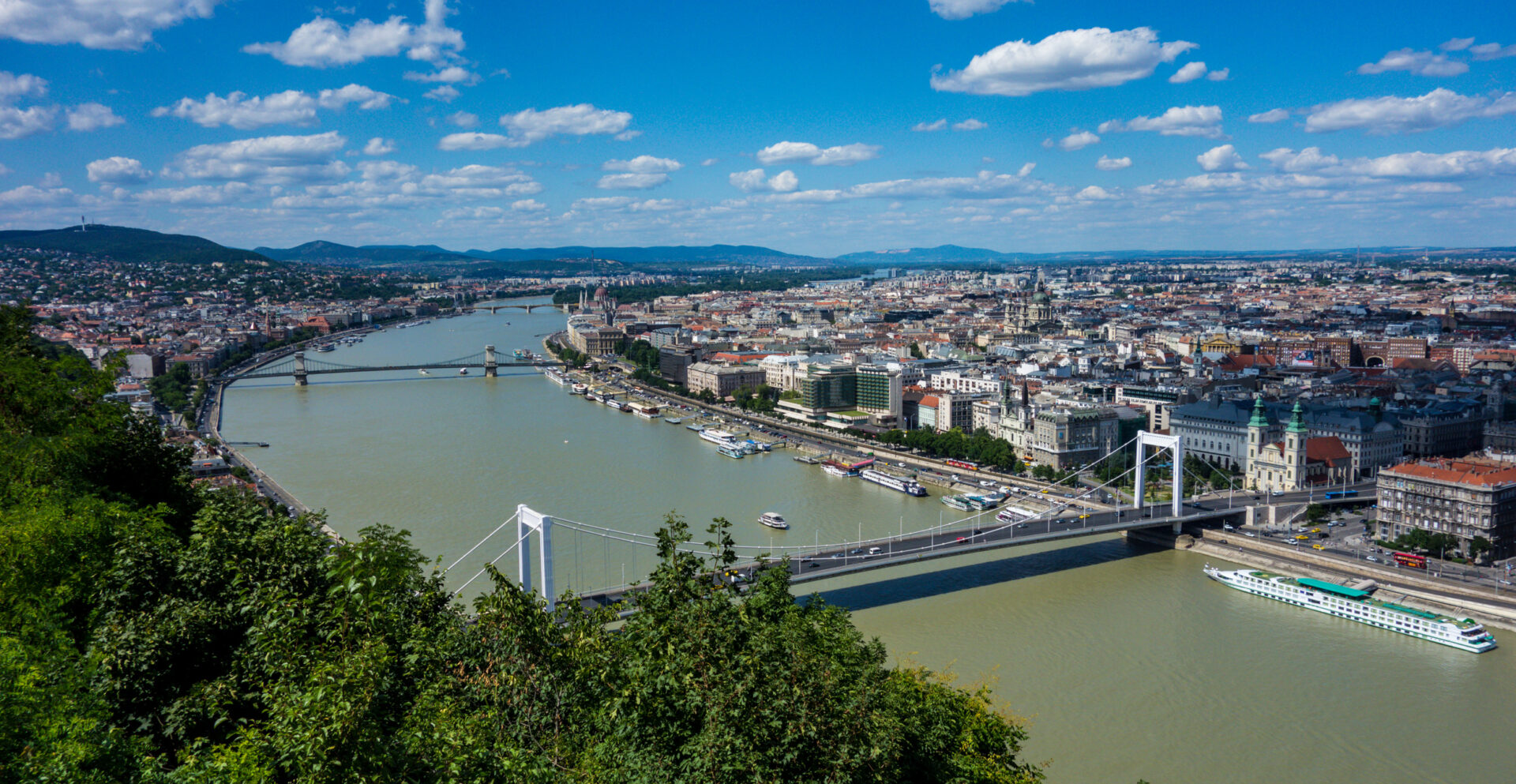
If you’re looking for a spot that’s a bit wilder, head north or south, past the five main bridges. North will take you up toward Visegrád, a small town on the bend of the river that features a13th-century citadel. You can take a river cruise or ferry boat up the river for a relaxing trip into near-wilderness. On your way, keep a look out for herons, kingfishers and cormorants.
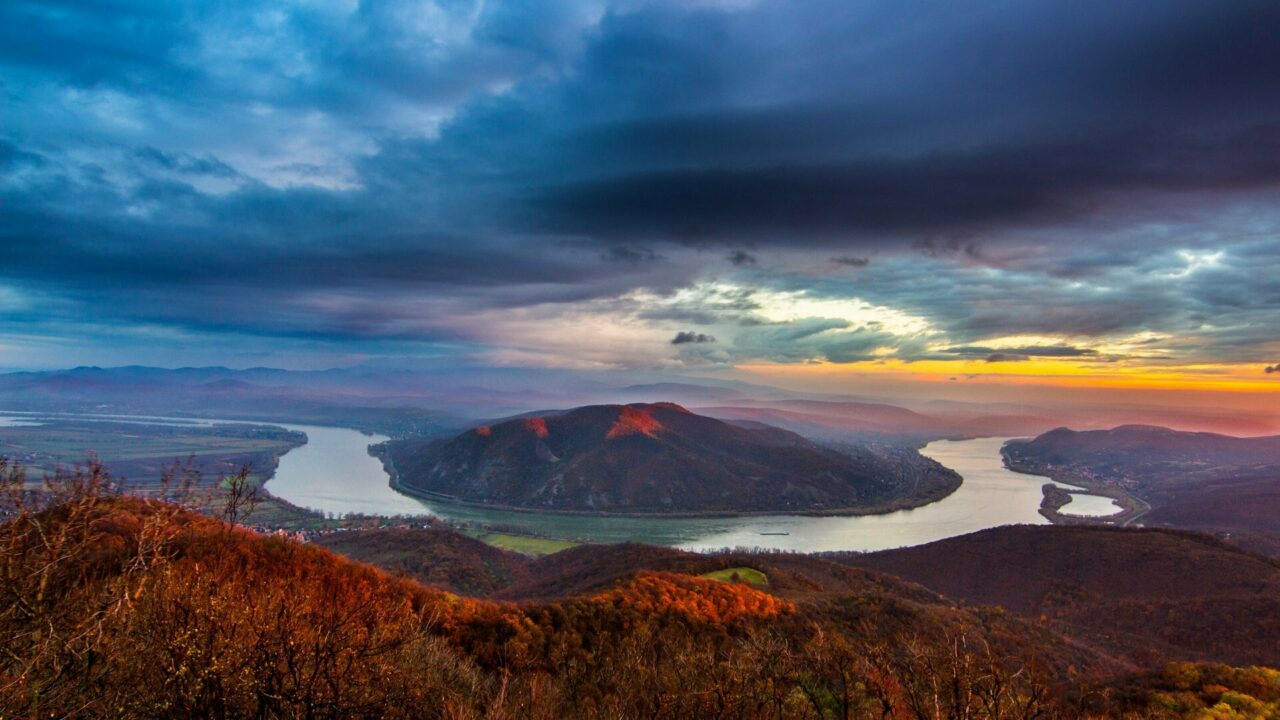
Go south, and you may run into the Kopaszi gát (Kopaszi dyke), just beyond Rákóczi Bridge. The Danube River and the Lágymányosi Bay run along either side of the dyke, providing an excellent environment for waterfowl. This place is frequented by egrets, cormorants, gulls, and countless songbirds.
If you want to see more waterfowl and sea birds in greater numbers, your best bet is to take a train to Lake Balaton, the largest lake in Central Europe. There you’re sure to see migrating birds, such as Goldeneyes, Pygmy Cormorants and Great White Egrets.
And while you’re at Balaton, you might as well check in at one of the countless hotels, motels, or b&b’s, as there is plenty to do there. Balaton is a highly popular vacation spot for Hungarians, as well as for the nations surrounding Hungary – in fact, don’t be surprised if you hear more German than you’d normally brace for: Germans have loved and come to Balaton in the summer for decades. In addition to sunbathing, swimming in the lake, and the usual beach activities, Balaton has so much to offer from adventure parks, through wild beach-side parties, to picturesque cycling routes, and one of the most prominent wine regions of Hungary: Badacsony.
Among the trees of city parks
From the river, head to one of the many beautiful parks. Margitsziget is an easy place to start, with its wide, grassy fields and large water fountains. Try to avoid visiting on the weekends, as it will inevitably be packed with picnickers in the summer.
Once you find a quiet spot among the trees or wildflowers, you’re sure to see rooks, Great Spotted Woodpeckers and plenty of Blackbirds and Thrushes.
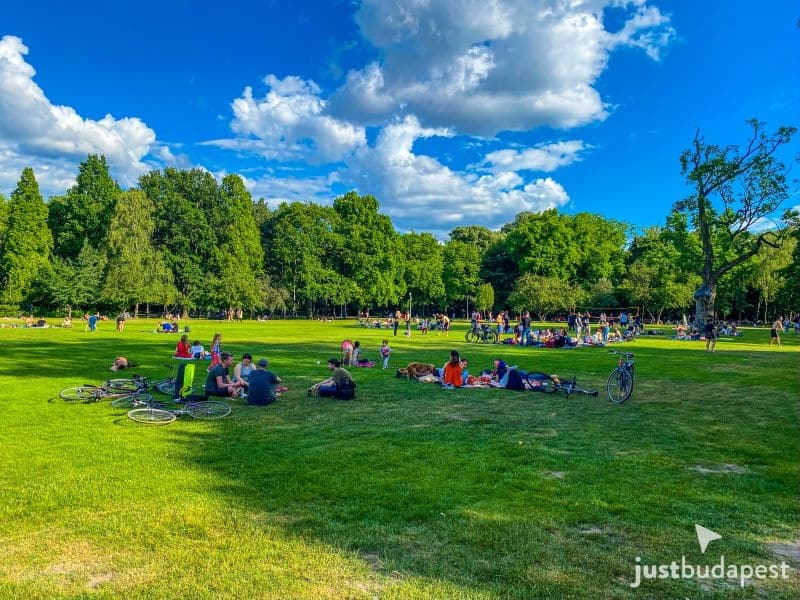
If Margitsziget feels too busy as it often is, find your way to the largest park in Budapest, Városliget (City Park). This is a top spot for birding given the number of old trees, bushes and vast meadows that go one for miles. But you’ll probably start your exploration at the entrance, right near the large lake beside the magnificent Vajdahunyad Castle. Here you’re sure to spot elegant Mute Swans, Little Grebes, and the Tufted Duck.
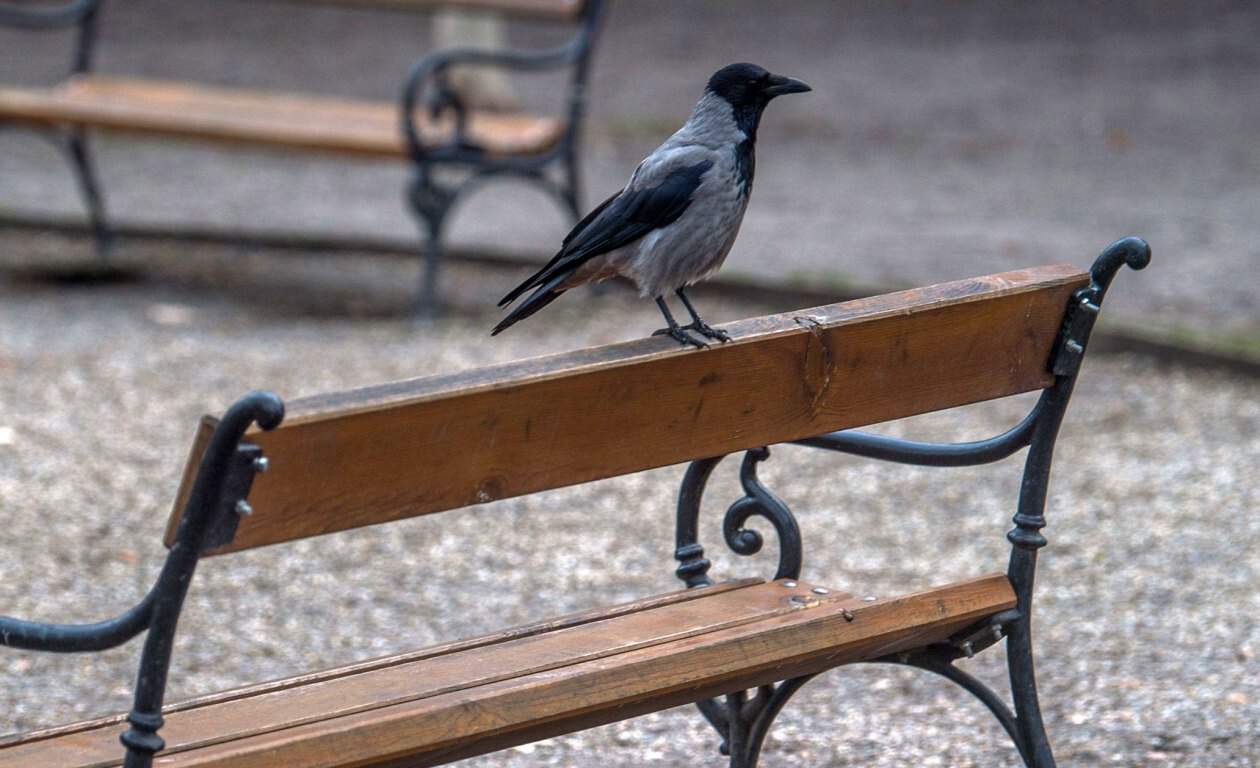
As you walk through the park, keep an eye out for Short-Toed Treecreepers, Great and Blue Tits, Robins and Wrens in the trees. You’ll also see Starlings, Magpies, Hooded Crows and Jackdaws rooting around in the grass after the picnickers have left.
In the rolling hills of Buda
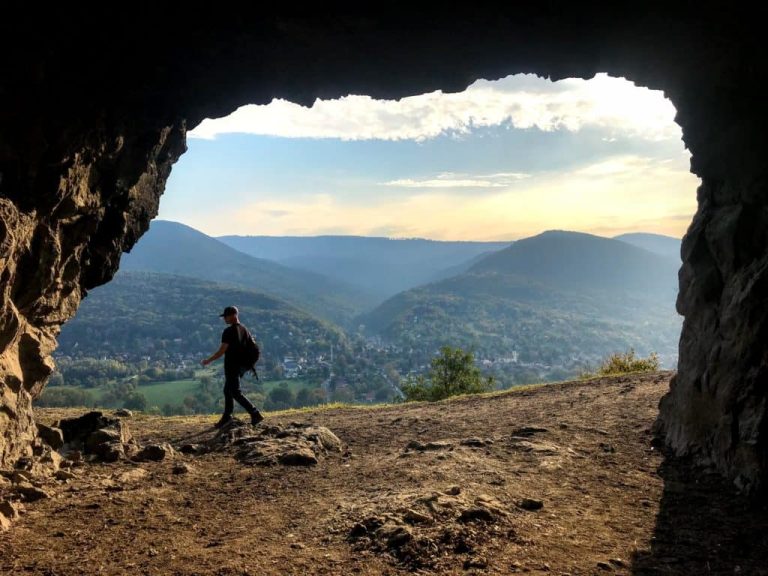
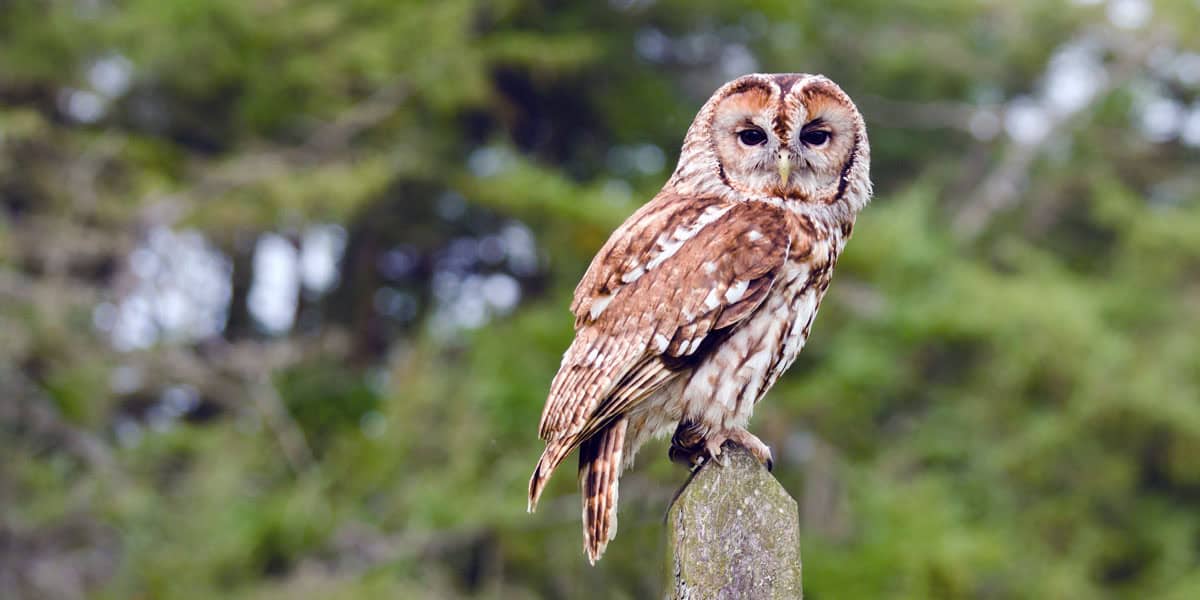
If you’re keen to spot a hawk or owl during your stay in Budapest, the hills of Buda are your best bet. Normafa is a popular destination for those looking to get out of the city for a bit, and the hike up the hill is exhilarating. Tawny owls are known to nest in the area, and you may see one toward the evening or early at dawn, if you’re lucky. This is also a great spot to see all kinds of woodpeckers that normally prefer the deep, quiet woods — from Lesser to Green and Black. When you need to rest and eat, Normafa has plenty of little food stalls to choose from.
From Normafa, you can head up to János-hegy (Jonas Hill), the highest point in Budapest. The old observatory here will certainly give you the bird’s-eye view of the city. Take your time scanning the sky, and you might spot a Honey Buzzard. You’ll also see Goldfinches, Nightjars, Hawfinches and Chaffinches. Once you’ve had your fill of birdwatching, you can fly back home by taking the famous chairlift down the hill.
If you want to see the big raptors of Hungary, you’ll have to leave Budapest and make your way to the Bükk or Zemplén mountains, or Hortobágy (the great plains of Hungary). Many travel to the Zemplén mountains to find the beautiful Ural Owl and to the tall grasslands of Hortobágy to see Red-footed Falcons.
Join a birdwatching group
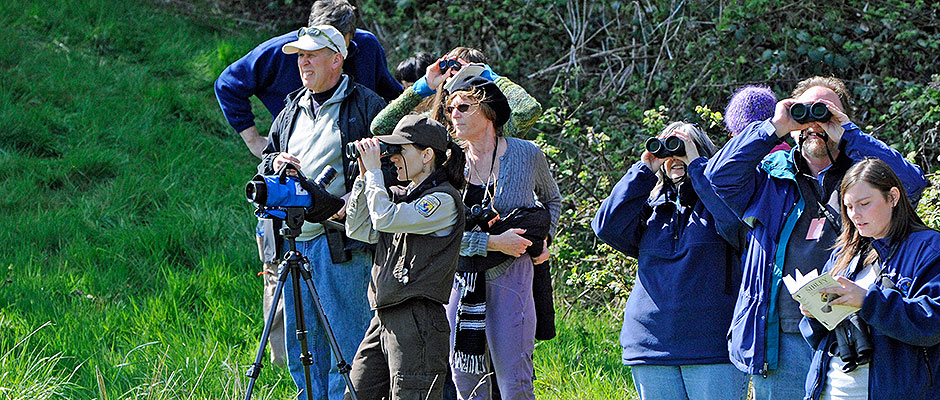
Whether you’re just passing through or have recently moved to Budapest, there’s no reason why you should go birdwatching alone. Joining a birdwatching group is a great way to meet people with similar interests, and they can be your personal guides to the best birding spots in the city.
Hungarianbirdwatching.com offers birdwatching tours in Budapest and around Hungary, offering a fun trip to some of the most difficult places to travel to in Hungary. You can also get in touch with local birders through Birding.hu.
Need some mobile data in the wilderness?
Identifying different bird species might be second nature to you, but if you need the help of your old friend Internet to do it, there’s no shame in that either! As a matter of fact, we can fix you up with a handy little gadget that gives you fast and reliable Wi-Fi wherever you go in or outside of Budapest, so you and your friends and family can stay connected while out and about. What’s more, it also doubles as a powerbank, so your phone running out of juice while browsing the Internet for birds will be one less thing to worry about.
Planning Your Visit: What to Pair With This Stop
If you are putting together your itinerary, we recommend exploring our curated guide to the best museums and art galleries in Budapest, exploring our local guide to Top 5 hiking spots in Budapest, or exploring our local guide to Budapest Pride. To experience even more of the city like a local, consider exploring our local guide to Top 4 bike trips in Budapest, as well as exploring our local guide to 8 Ways You Can Get Explore Budapest’s Caves.
Frequently Asked Questions
Where are the best birdwatching spots in Budapest?
The most popular locations are Margaret Island (urban birds), Normafa (forest species and owls), and the Danube embankments (waterfowl and gulls).
Can I see owls in Budapest?
Yes, Tawny Owls are native to the Buda Hills, particularly in the Normafa area, where they can often be heard or seen at dusk.
What birds are most common in Budapest?
The Hooded Crow, various tit species, and Blackbirds are very common in the city parks, while Gulls and Cormorants are the most frequent sights along the river.