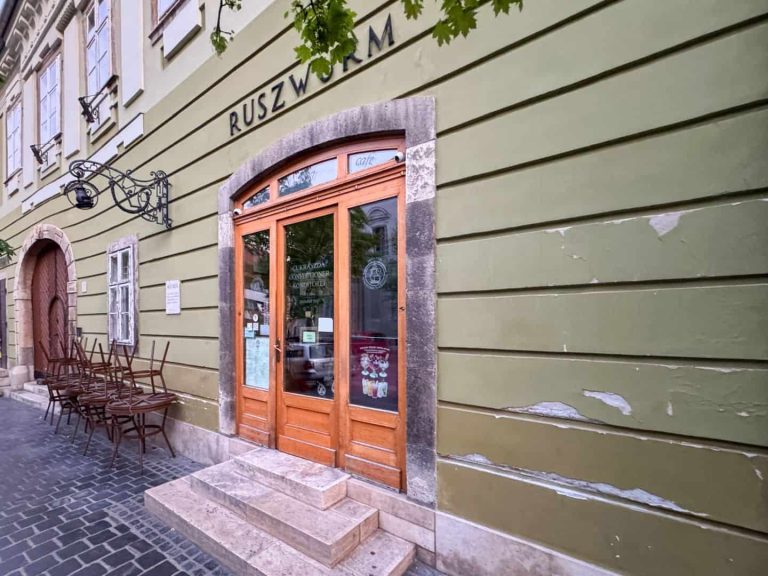
The legendary Zwack Unicum liqueur, the unforgettable, bitter, healing taste of Hungary
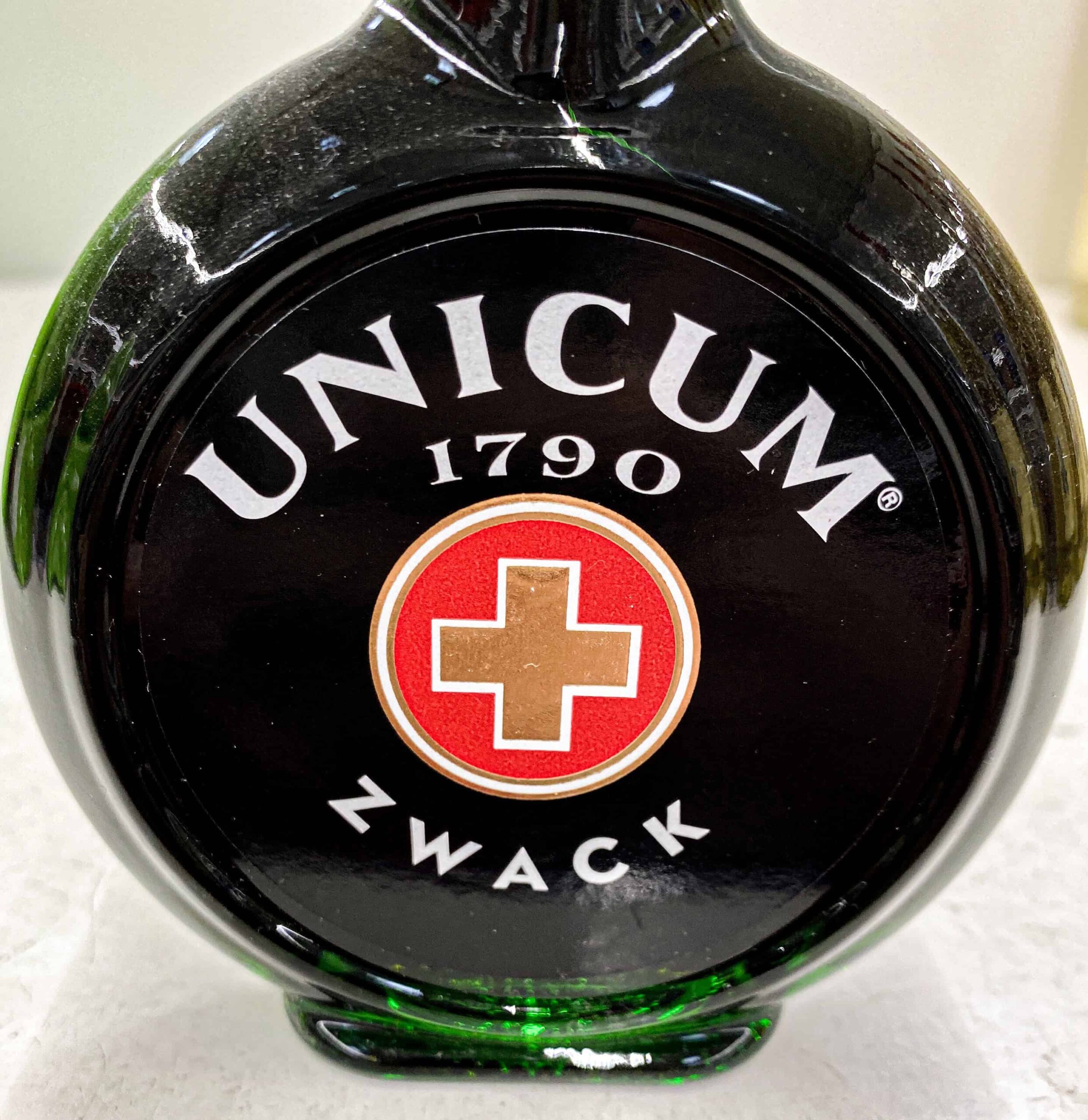
It’s bitter, contains more than 40 herbs and has a film-like history – meet Hungary’s second favorite liquor, Unicum.
- • Unicum is a traditional Hungarian herbal liqueur made from a secret blend of over 40 different herbs and spices, aged in oak casks.
- • It was created in 1790 by Dr. József Zwack, the Royal Physician to the Habsburg Emperor, originally as a medicine for digestion.
- • You can taste Unicum and learn about its fascinating history by visiting the Zwack Unicum Museum and factory in Budapest.
It’s bitter, contains more than 40 herbs and has a film-like history.
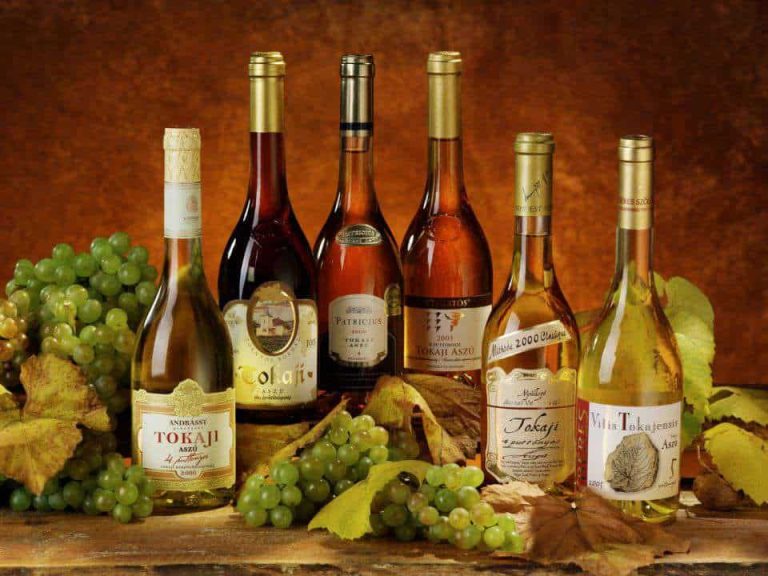
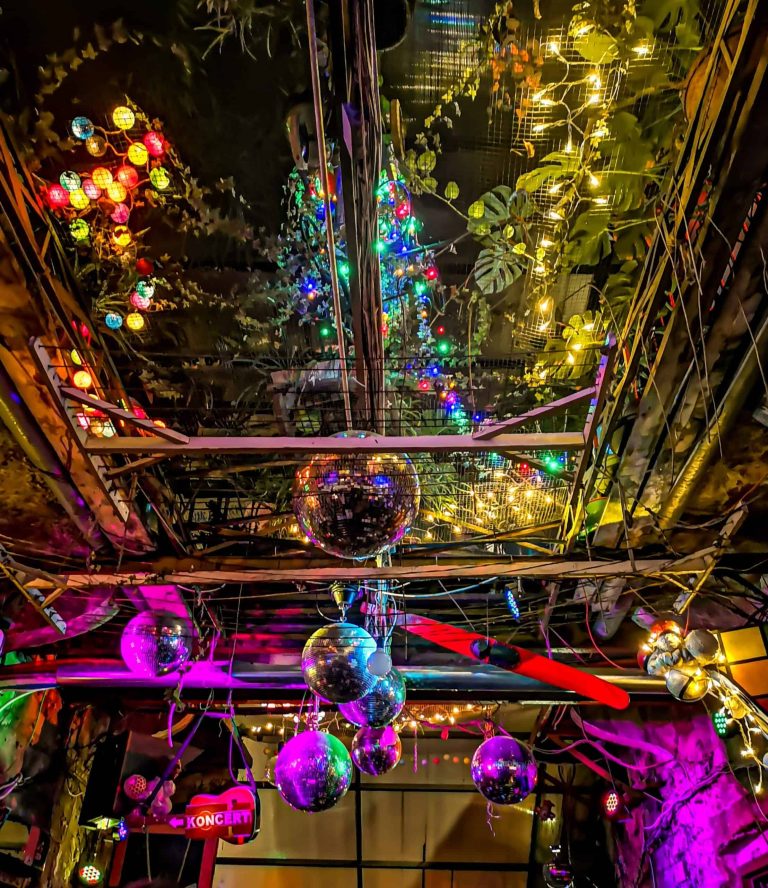
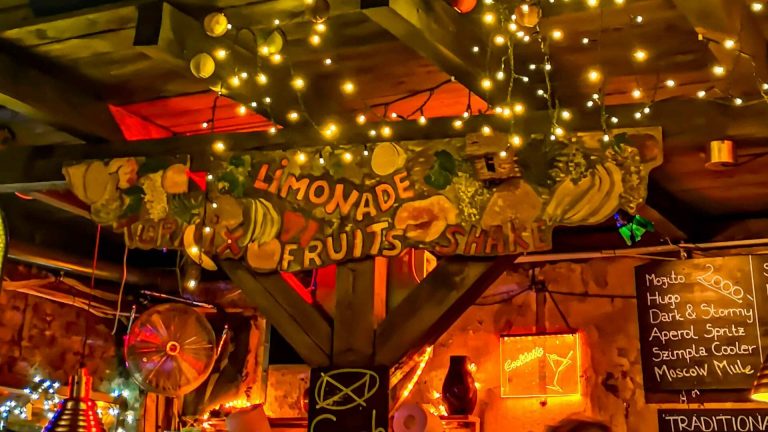
When it comes to fun, Hungarians know the drill. Budapest offers countless alternatives whether you’re planning to stay sober and visit one of the many escape rooms or spice up the night with a ruin pub crawl. If you’d rather stay on the tipsy side, you can visit a rooftop bar, go wine tasting, or get a taste of Hungary’s (in)famous spirit, pálinka. However, not many know that Hungarians have another magnificent national drink that started its career as a medicine back in 1790. Read on if you’d like to know Unicum a little bit “bitter”!
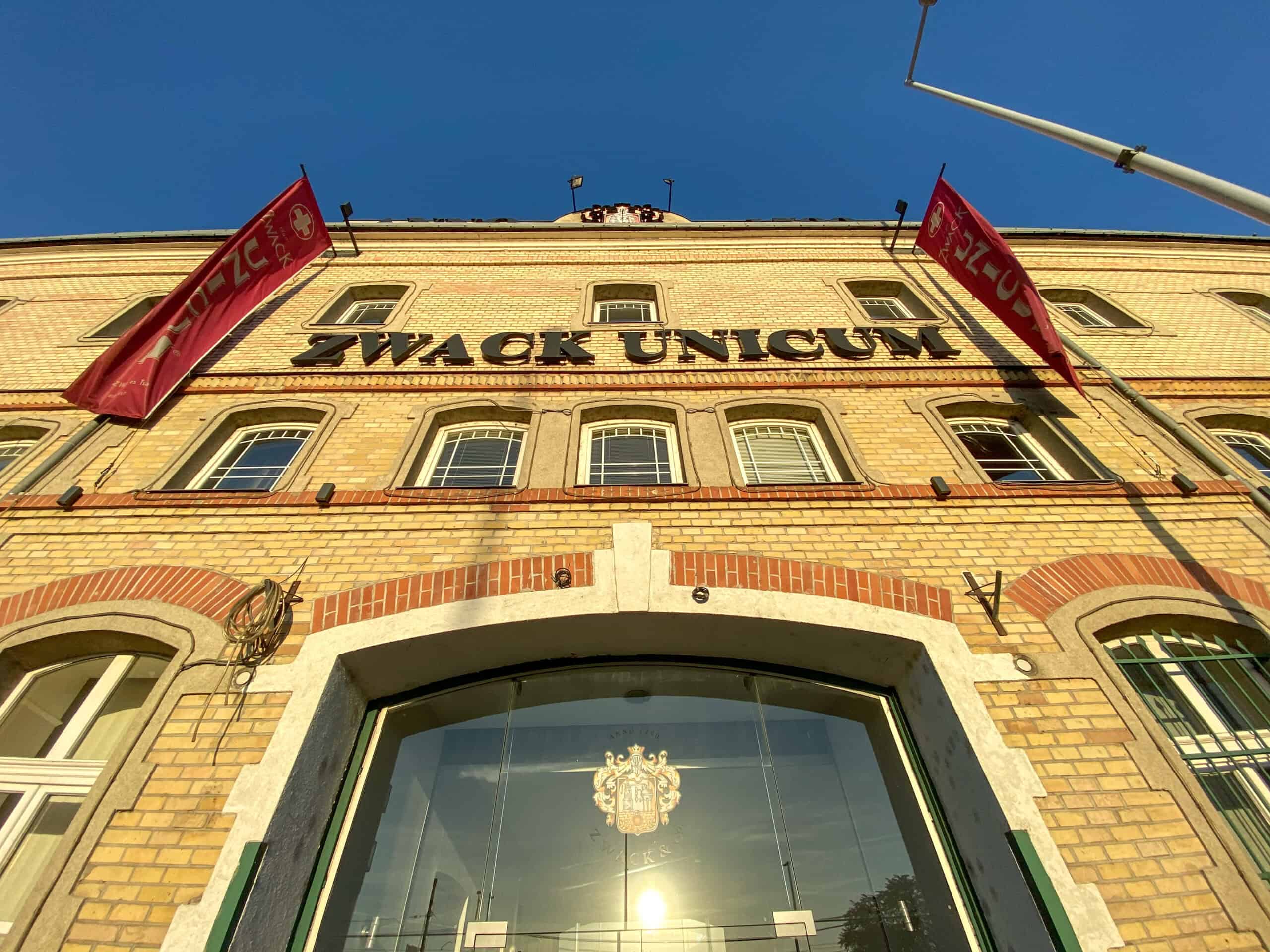
The film-like history of Zwack Unicum
According to legend it all started with an indigestion problem Habsburg ruler Joseph II experienced in 1790. Luckily, Dr. Zwack, royal physician to the Imperial Court came to the rescue and created an herbal remedy to help the Holy Roman Emperor ingest. In the following decades, the unique elixir spread in popularity until József Zwack, a venturesome descendant of the doctor founded the famous Unicum Company named “Zwack” in 1840. The next milestone for the product was in 1883 when the drink was registered as a “liqueur to protect the strength of the stomach, marketed under the name Unicum”, made according to a recipe from 1790, and poured in the original round bottle with an iconic red cross on its label. By 1895, Zwack was producing more than 200 liqueurs and spirits and was proudly exporting them from the distillery that is still in use today. To this day, the company receives the title of High Representative Imperial and Royal Court Supplier. In 1909, one of the best-known icons of the company, the “wet man”, was created by Viktor Pachl for a poster.
The global crisis of 1920s and ‘30s didn’t spare the Zwack company either. Not only did the domestic market shrink, but exports started to decline as well due to the alcohol ban in the US. To balance this out and take advantage of production capacities, they started manufacturing incandescent and fluorescent lamps. During World War II, Budapest was one of the most heavily bombed cities in Europe, and among the huge losses the city suffered was the Zwack factory getting destroyed to the ground. By the time it was fully restored to its pre-war condition, the factory was nationalized by the communists in 1948 without any compensation. János Zwack, who fled to the United States, later learnt that his family name was still in use: the nationalized company continued to export Unicum from Budapest under the name Zwack. After filing a lawsuit against the Hungarian state, he won an unprecedented victory: the socialist, state-owned company was not allowed to use the name Zwack or Unicum anymore.
The other Zwack, Péter, didn’t stop there, he went straight to Jim Beam to sign a deal for selling vodka, gin, and slivovitz to keep the brand alive. But they didn’t give up on Hungary either! Péter returned to his homeland and partnered up with German liqueur manufacturer Emil Underberg to establish Peter Zwack & Consorten AG and create a joint venture with the still state-owned Budapest Liqueur Company. After the end of the socialist regime, at the fall of communism, in 1992, they repurchased the company from the state as part of a privatization program and established Zwack Unicum, the company we know today.
The tasty products of the Hungarian Unicum
Beside the flagship product made according to the secret formula of more than forty herbs, they offer Unicum Szilva (Unicum Plum), Unicum Riserva and Unicum Barista. Szilva translates to plum, so, as you would expect, it’s rested on prunes and then matured in oak barrels to achieve a light, harmonious, and fruity flavor. Unicum Riserva, dubbed the company’s super premium herbal liqueur, is produced using a unique double-barrel aging process. The liqueur is first matured in 80-year-old barrels, then transferred to barrels from Tokaji cellars, which gives the drink some roundness, softness, and the unmatched character of Tokaj. And finally, Unicum Barista is made using Arabica coffee, combining the tradition of bitter liqueur and coffee consumption.
A few tips to spice up your Unicum experience
We’re not trying to sell you a pig in a poke: Unicum might not be for everyone. It’s very bitter and strong, so not your usual, easy-going type of shot. But do not worry, we have a few long drink and cocktail recommendations with Unicum in the focus. First and most simple, spice it up with some tonic and ice to have an amazing bitter long drink. For a more delicate taste, there’s Zwack & Soda with 40 ml of Unicum Szilva, 20 ml lime juice and 15 ml of sugar syrup. Top it with a few slices of lime and lemon to make it tempting for the eye as well. You probably heard of Old Fashioned, but what’s up with Riserva Fashioned? As you may already suspect, it’s the same as it’s well-known brother but with Unicum Riserva instead of bourbon. The list could go on and on, but it’s best if you visit the Unicum’s official website and find your favorite combination yourself.
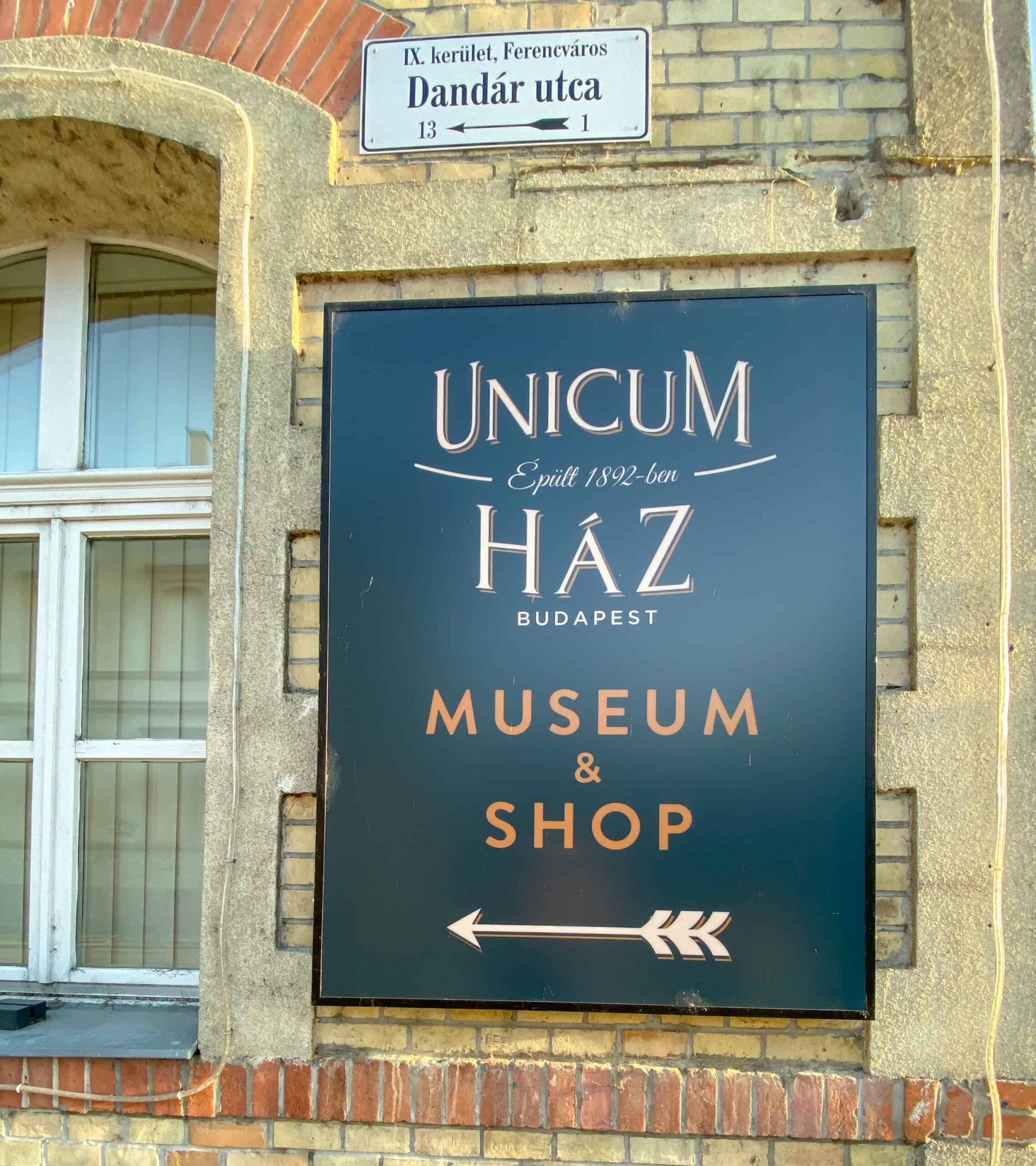
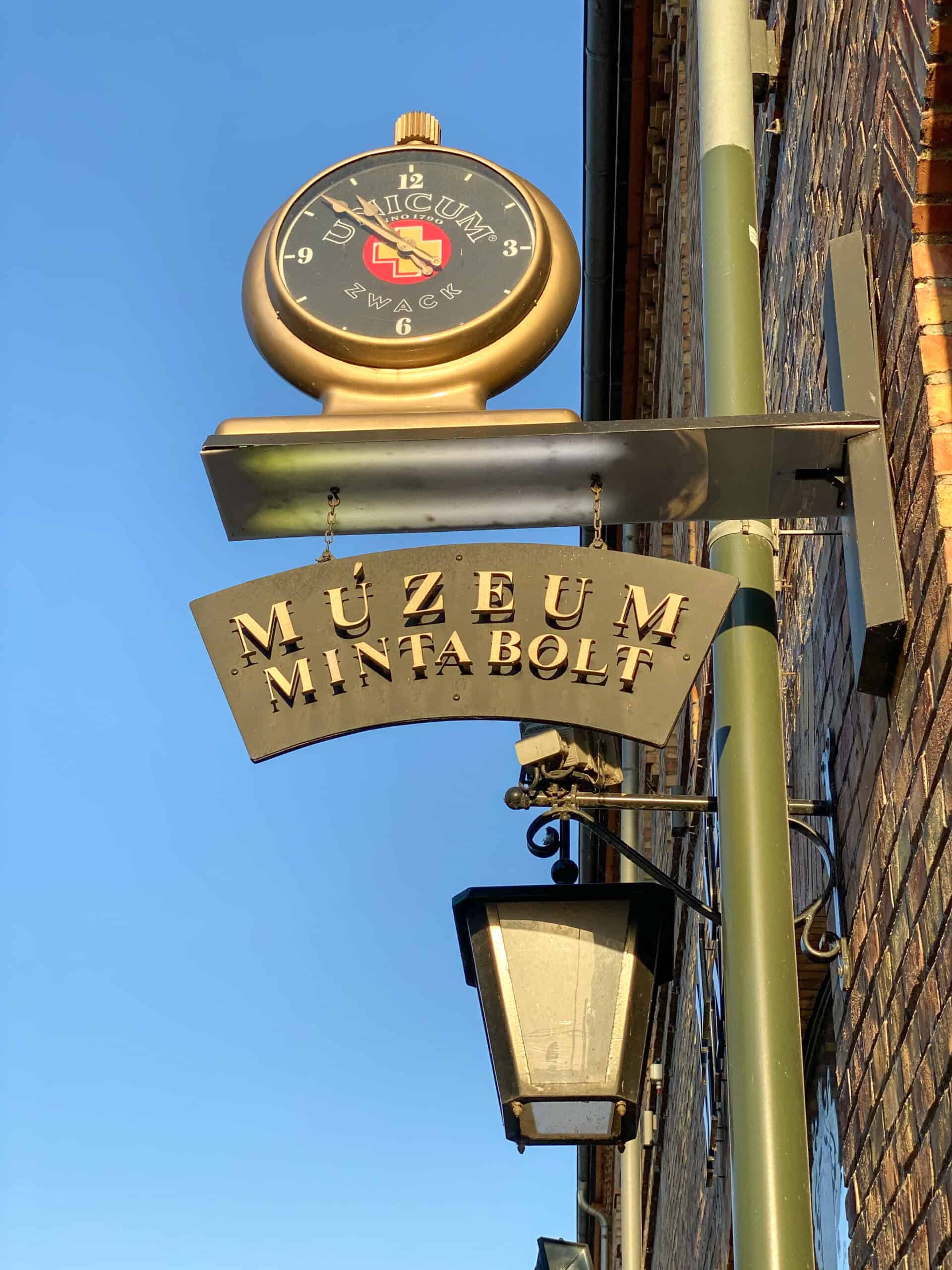
If you’d like to hear their story with visual additions and try their products at the same time, visit the Zwack Museum (House of Unicum) in Budapest! It has earned a spot in our Top 100 things to see in Budapest article, so we wouldn’t miss it! It is open Monday through Saturday, offering both standard and premium tours. These include a short film, a guided walkthrough of the distillery and barrel-aging cellars, tastings of several Unicum varieties, and access to a vast collection of 17,000+ miniature bottles. The museum also includes a well-stocked gift shop.
FAQ
What is Unicum and how is it made?
Unicum is a traditional Hungarian unique herb liqueur that has been produced since 1790 by the Zwack family. The recipe for Unicum is a closely guarded secret, consisting of a unique blend of over forty different herbs and spices. The production process involves distilling these herbs and then aging the resulting mixture in oak barrels for a period, which helps develop its complex flavor profile. The distinctive bitter taste of Unicum is what sets it apart from other liqueurs.
What is the history behind Zwack Unicum?
Zwack Unicum has a rich history that dates back to the late 18th century. It was created by János Zwack for the court of Emperor Joseph II. The liqueur quickly gained popularity and was known for its medicinal properties, being used to aid digestion. After being exiled during World War II, Péter Zwack returned to Hungary in 1948 and continued the family tradition of producing this iconic herbal liqueur.
How should I drink Unicum?
Unicum is typically served as a digestif after meals, but it can also be enjoyed as a sipping drink. It is recommended to serve it at room temperature to fully appreciate its complex flavors. You can also try it in cocktails or alongside other beverages, such as a splash of soda or tonic water, for a refreshing twist. Many also enjoy the sweeter variant, Unicum Plum, which adds a fruity note to the experience.
What is the difference between Unicum and Unicum Plum?
Unicum is the original version of the herbal liqueur, known for its distinctive bitter flavor derived from its secret blend of herbs. In contrast, Unicum Plum is a sweeter variant that incorporates the flavor of plums, providing a more fruity and approachable taste. Both versions are popular in Hungary and are often enjoyed in different contexts, with Unicum being more traditional and Unicum being more traditional and often consumed as a digestif, while Unicum Plum offers a milder, fruitier alternative that appeals to those who prefer a smoother, slightly sweeter experience. Its plum notes come from aging the liqueur on dried plums in oak barrels, adding richness and depth to the original herbal base.