Kazinczy Street Synagogue – The Hidden Church in the Heart of the Jewish Quarter
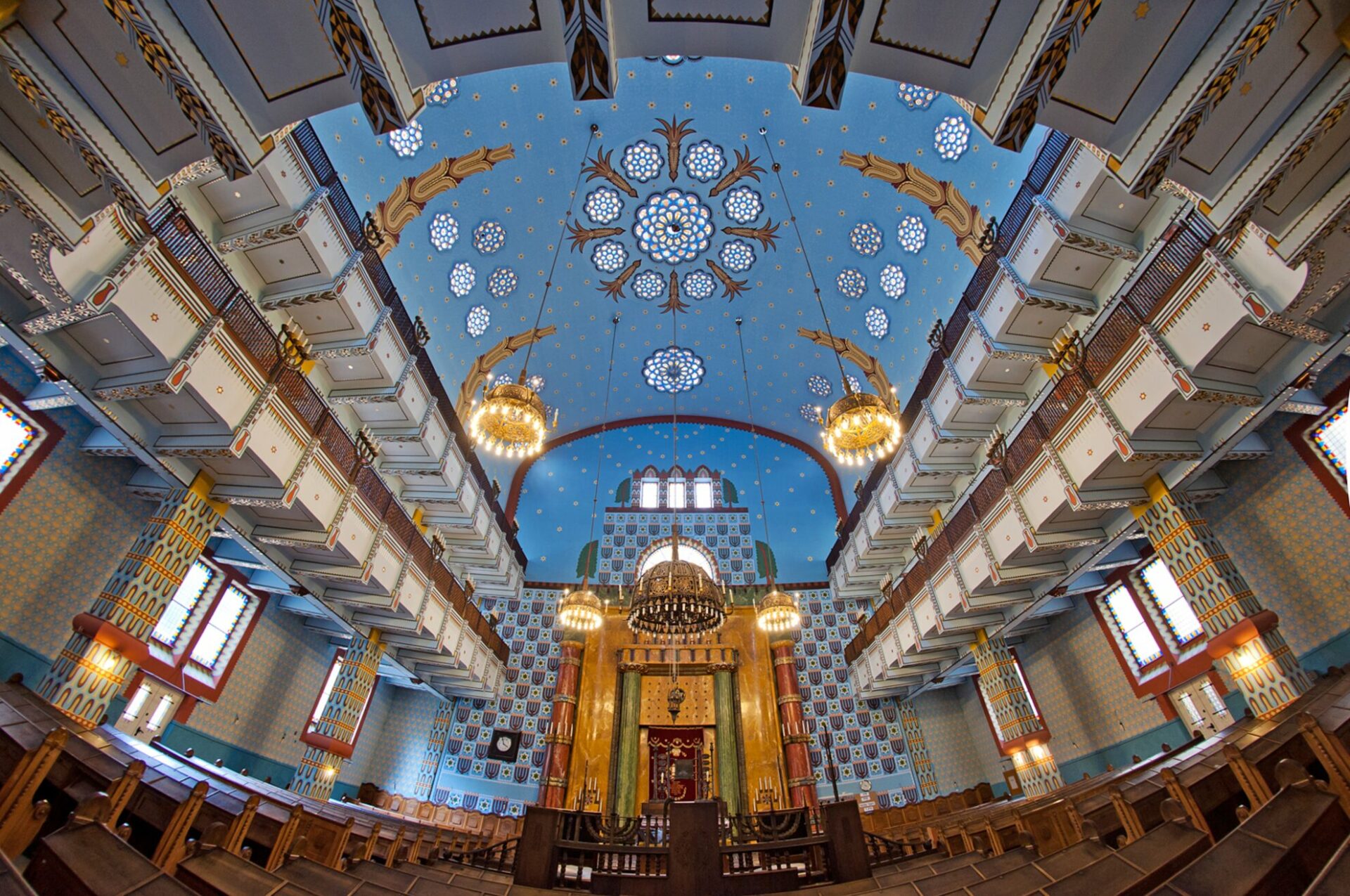
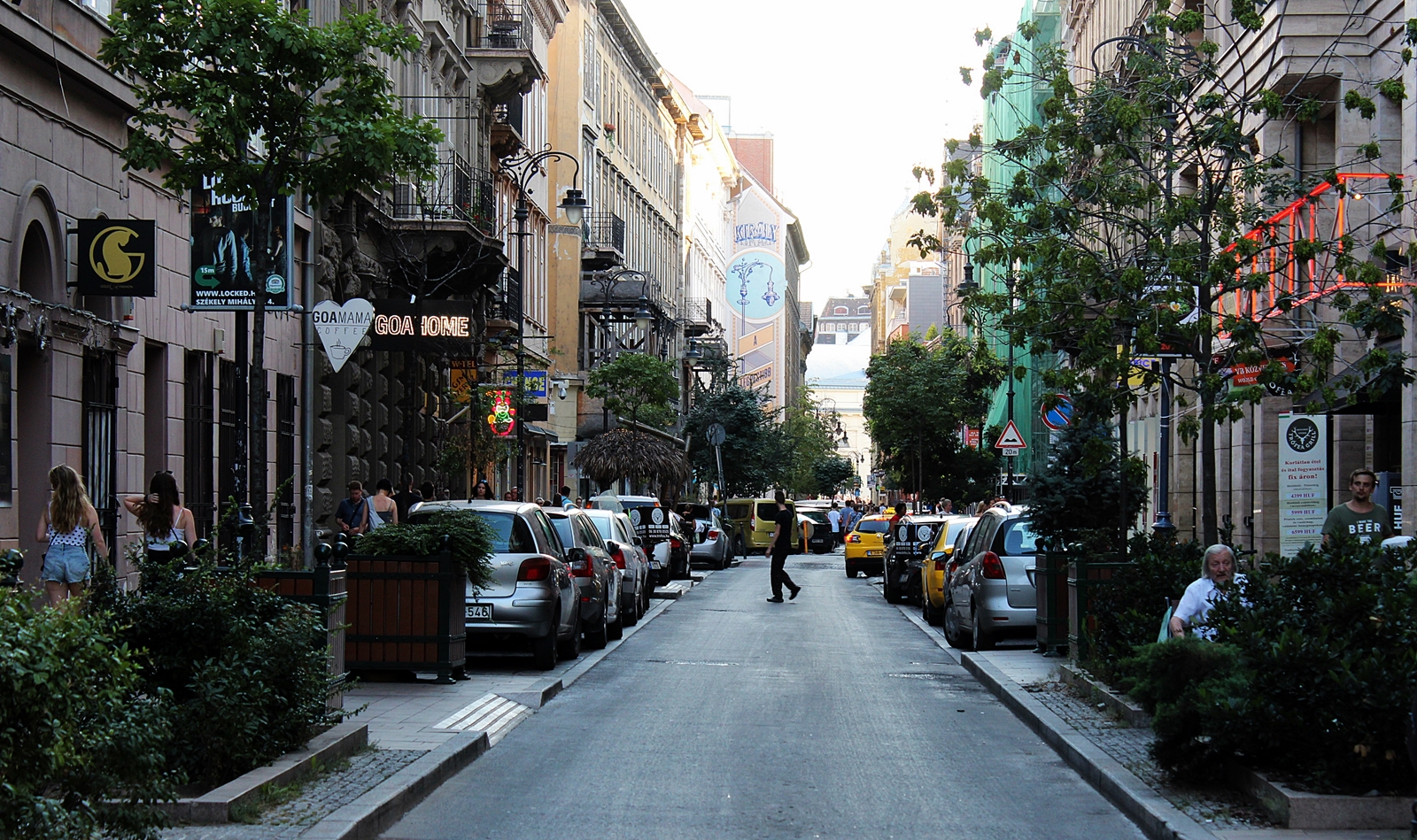
The „Jewish Quarter” in the city gives the prosperous historical and cultural heritage. Not only the Kazinczy Street Synagogue makes this street valuable, but also its energetic clubs and pub life, restaurants and bistros make it a very glamorous „eyeshot” to travelers and locals alike.
In addition to this district’s most popular vantage point is the Dohány Street Synagogue. However, if you want to discover other mysterious worth, you have to visit the Kazinczy Street Synagogue, which can be found in the middle of Kazinczy Street. The gigantic building is a great example of the Jewish areas past and contemporary history.
- • The Kazinczy Street Synagogue is the religious and cultural center for the Orthodox Jewish community in Budapest, located in the middle of the lively Jewish Quarter.
- • Built between 1912 and 1913 in a late Art Nouveau style, it is famous for its breathtaking interior painted in vibrant blue and decorated with intricate stained glass and stencil work.
- • The synagogue complex also includes a kosher slaughterhouse, a kosher restaurant (Hanna), and the city’s only functioning historic Mikveh (ritual bath).
The Famous Orthodox Temple in the City
The Kazinczy Street Synagogue was built on the plans of Sándor and Béla Löffler. The interior is decorated with ornate stonework that supports the glass windows painted by famed mosaicist Miksa Róth. The Torah reading platform stands in the midpoint of the space.

Ending of the 19th century, the Jewish community of Pest broke into three parts – Neolog, Status quo ante („stay as before”), and Orthodox. This synagogue was built for the latter – the most tradition-bound, strict Jewish community. The community building complex includes the synagogue, the religious main office, a daycare center, a Talmud school and a bath (which is known as mikveh). The latter was renovated in 2004. The water of the well that provides the bath was ritually purified with 1,000 liters of red wine to protect that it’s kosher.
The Religious-cultural of the Orthodox Division of Pest Jewry
From 1928, the mikveh (ritual bath) functioned in the building until the blood-thirsty 1940s (it was only reopened in 2004). The building was located in the area of the Pest ghetto between 1944 and 1945 and was damaged by World War II and some of the facilities were damaged. After 1945 the building complex was restored and the equipment was reconstructed. Over the following decades, the physical synagogue of the Great Synagogue Budapest deteriorated, first becoming unheated and then dangerous by the end of the 20th century. The Israeli community received the ground floor tract of ELTE’s adjacent Teacher Training College. A miniatured, modernized mansion of worship, the Sas-Chevra Synagogue, was built here by Sándor Bokor, a community engineer.
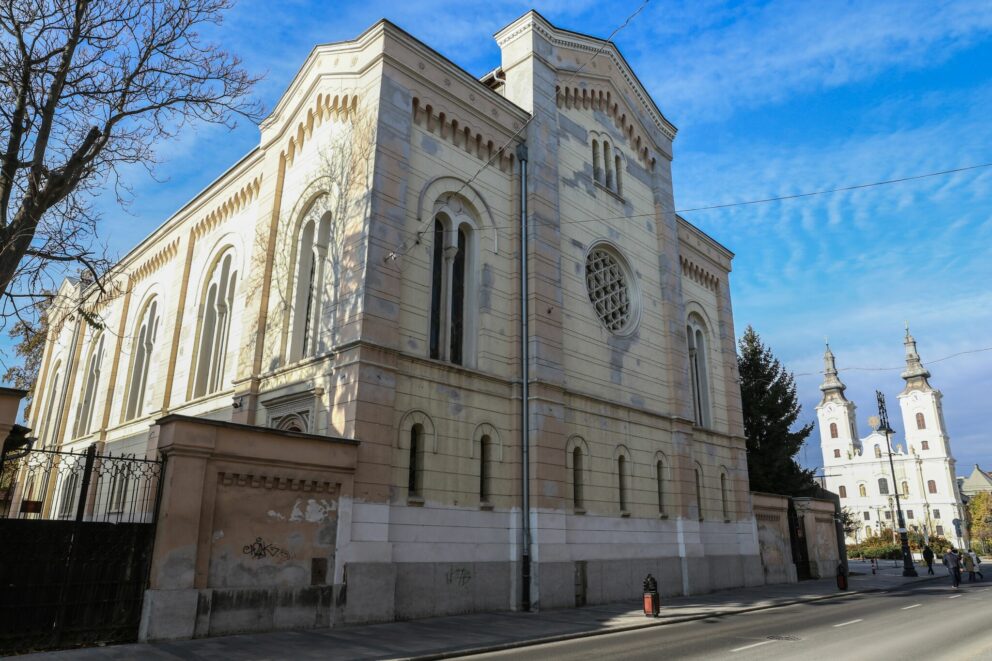
The domination of the Viennese Art Nouveau on the stained-glass windows of David’s star and Menorah is illustrated. During the high-rise bidding, there is a two-line Hebrew quotation from the Old Testament throughout the facade (“What awe is this place: this is God’s house and this gate of heaven”, Gen 28:17).
It’s Worth Buying Tickets for this Imaginative Tour
You can buy a ticket to enter the front door. The general admission is only 1000 HUF (on request, which can be also acquired US dollars and euros). The price of ticket combines entitled to a 10% discount per person at the HANNA Orthodox Glatt Kosher Restaurant, contains a postcard from the synagogue, tour guide assistance, getting to know the Orthodox Main Synagogue and the Orthodox neighborhood.

Let’s Walk Around The Kazinczy Street Synagogue!
Throughout the building is the center of orthodoxy, aptly referred to as the ghetto in the ghetto. There is a “mini ghetto” in the Jewish quarter of the district, where, apart from the mikveh, the ritual bath, there is an institution belonging to all believers. It is interesting but, the Mikve was not built in the center for religious reasons alone, as it is not relevant to see who is going to the spa. The mikveh is established at 16 Kazinczy Street.

In addition to the synagogue, located the brick-covered building was the old Jewish school. Today, only the ground floor belongs to the community, where the Sasz Chevra Synagogue was built. Sas is an acronym, “ses sparim” or “six books”, which assigns to the six volumes of the Talmud, and Chevra means an association, so we can already conclude that it was built for the purpose of studying the Talmud-Torah in II. after World War II. Currently, this synagogue gives from the autumn festivities to the Feast of the Torah in the 1st services of Sábesz, respectively. as a venue for festive kiddus, learning.
Don’t miss this…
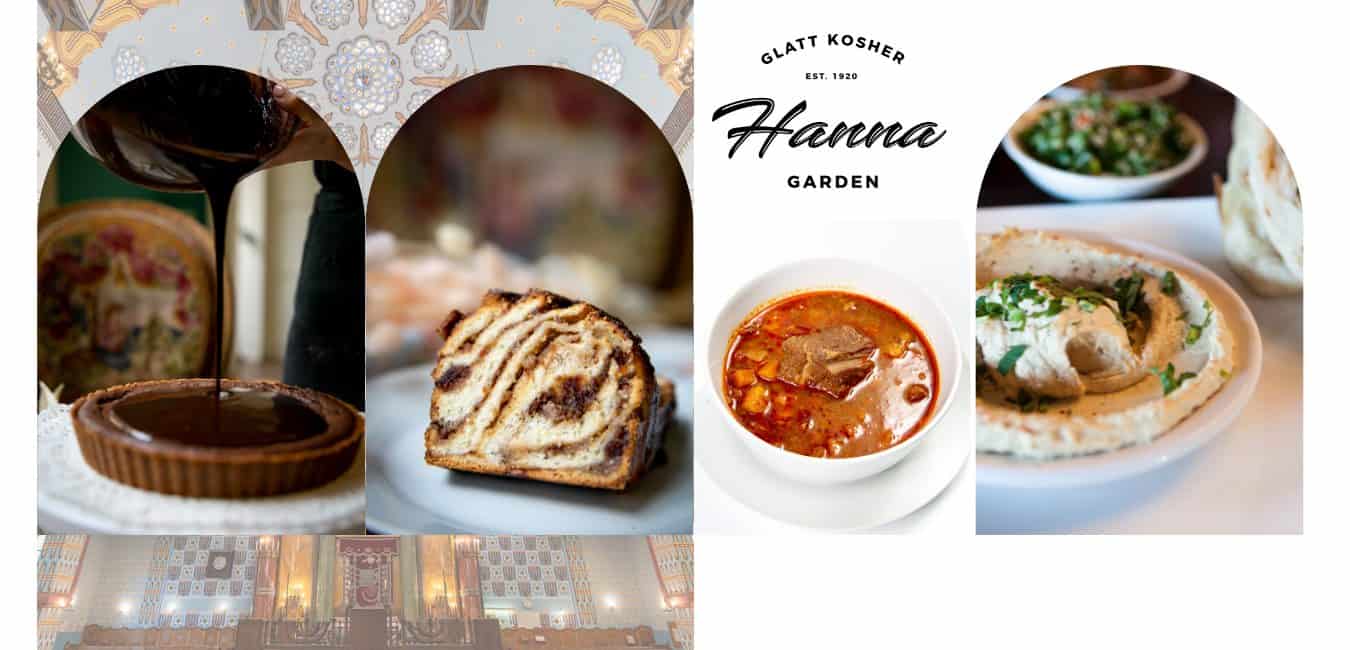
The courtyard can be seen as the Hanna Orthodox Glatt Kosher restaurant, which has been operating since 1962 and looks for its guests who want to taste traditional Hungarian-Jewish flavors. In its place, previously the war, there was a folk kitchen.
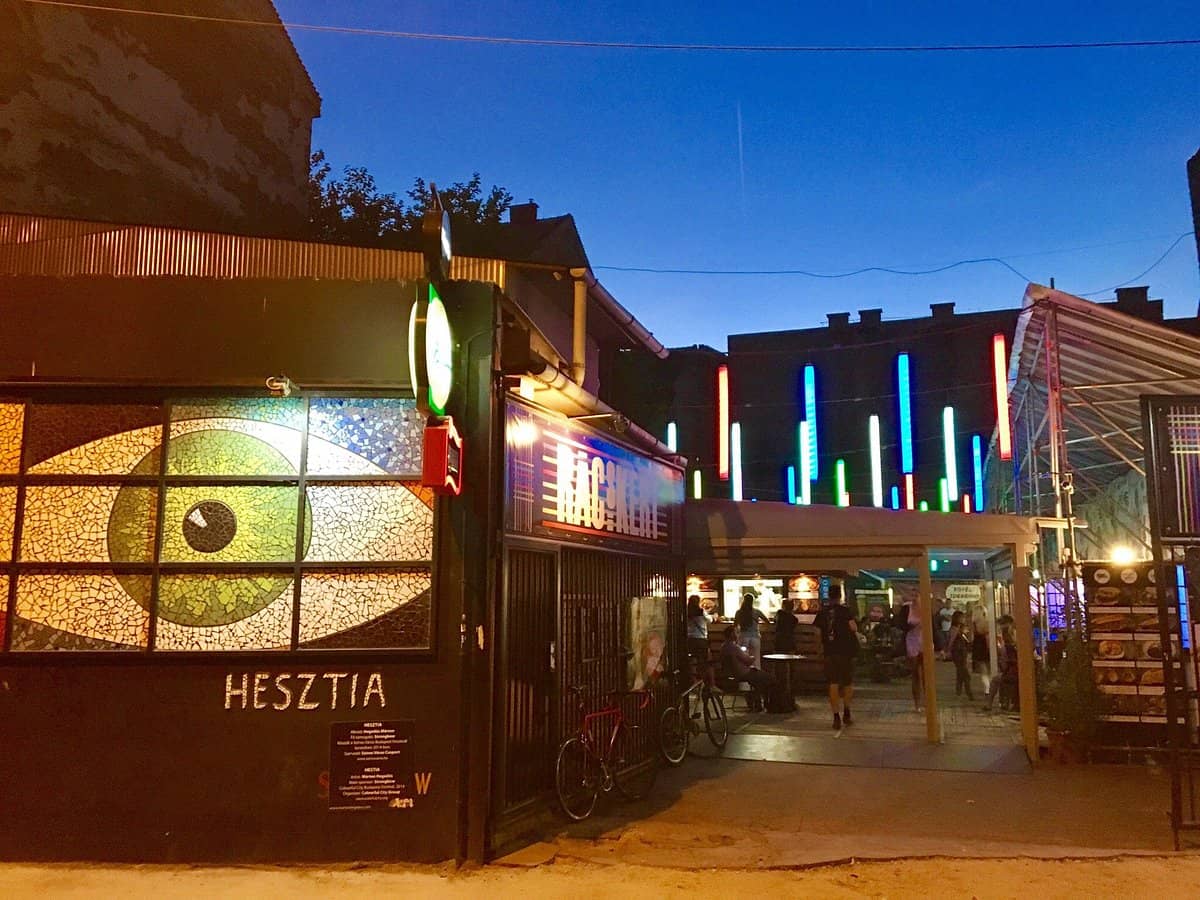
In the background, the Kazinczy Street Synagogue is the vase of the artfully forged, leap canopy. In traditional communities, weddings are held exclusively in the open air, as their ascendant formerly did.
Discover The Mythical Dob Street
Let’s walk beyond and we will arrive at Dob Street, where the “kosher” delicatessen and kosher meat shop can be found. Next to the entrance of the courtyard, there is a kosher grocery store. Furthermore, you can find the Spinoza house, which is a restaurant with live music and a theatre besides. If you walk further, we can explore the Dob 22 Gallery, which is a second-hand dealer full of genuine junks, old books, pieces of furniture, and many other things you can imagine. Do not await a ‘big fish’ here, but there may be the “thing” that you will at short notice grab.
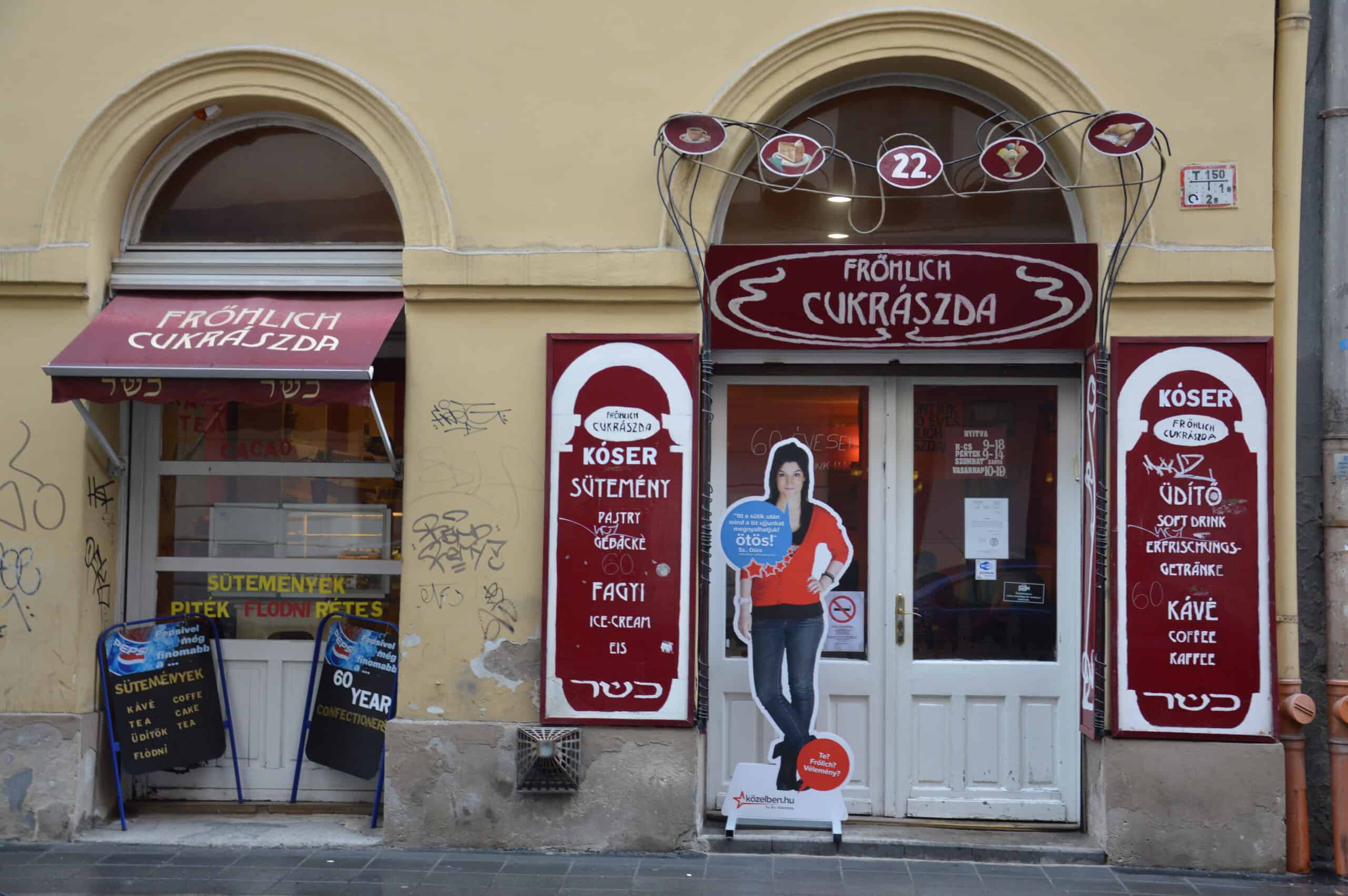
Let’s stay in this area a little! The Fröhlich confectionery is the only kosher bakery in the country which has been starting for almost 57 years. If you have enough time to discover the city it is worth trying the delicious things here.
The Great Synagogue Budapest is definitely an unmissable attraction! Don’t miss it if you visit the Hungarian capital. The Rumbach Street Synagogue also offers a beautiful sight, and you can find excellent restaurants and pubs nearby.
For more information, read the tourist information about Budapest. If you’d like to explore the city while taking a walk, check out the best walking tours in Budapest.
More interesting and useful tips
If you want to know where to buy the best food and drinks in Budapest, this grocery store list is just for you!