Rác bath: A mysterious gem from the Ottoman era
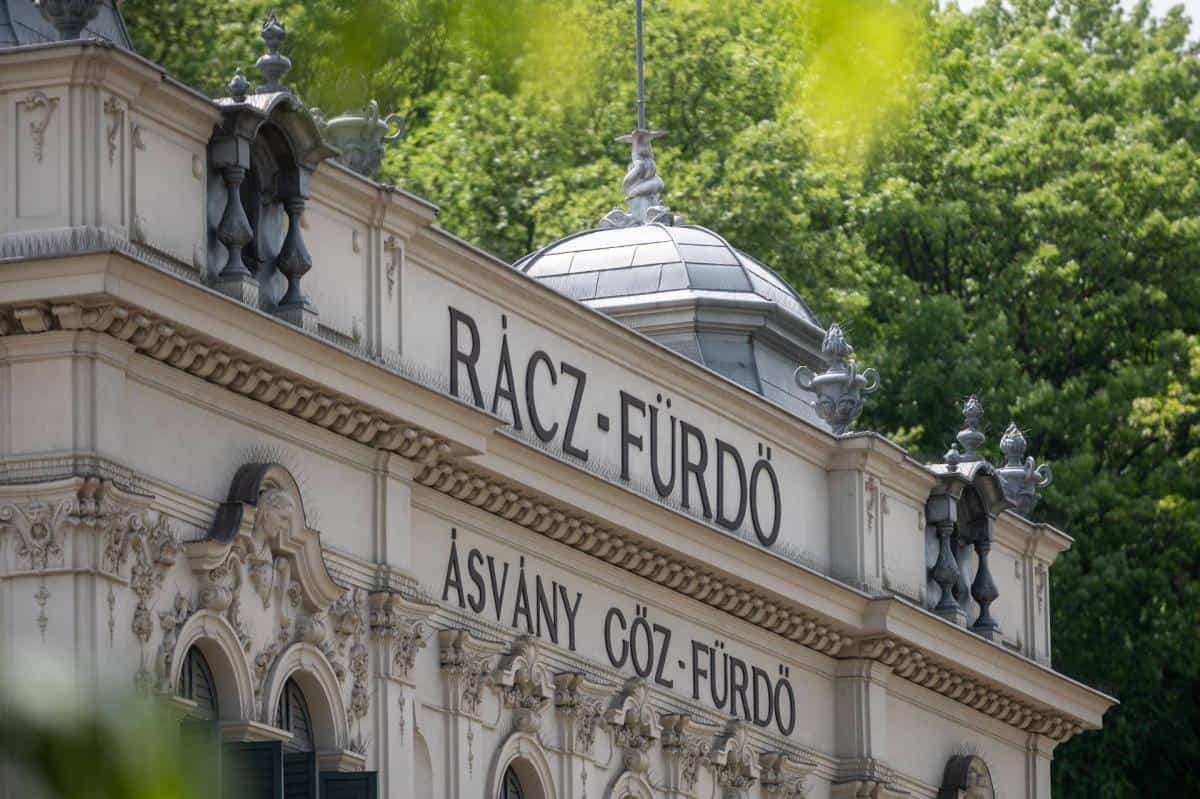
Rác bath is a storied bath in Budapest: although it’s currently not open, its history and architecture deserve the attention of anyone visiting.
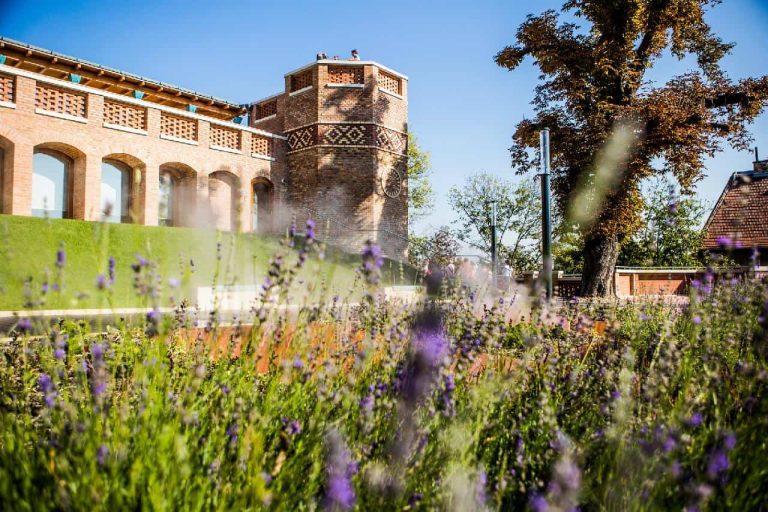
- • Rác Bath (Rácz Fürdő) is a historic thermal bath located in the Tabán district of Budapest, renowned for its authentic 16th-century Turkish dome and elegant 19th-century Neo-Renaissance additions designed by Miklós Ybl.
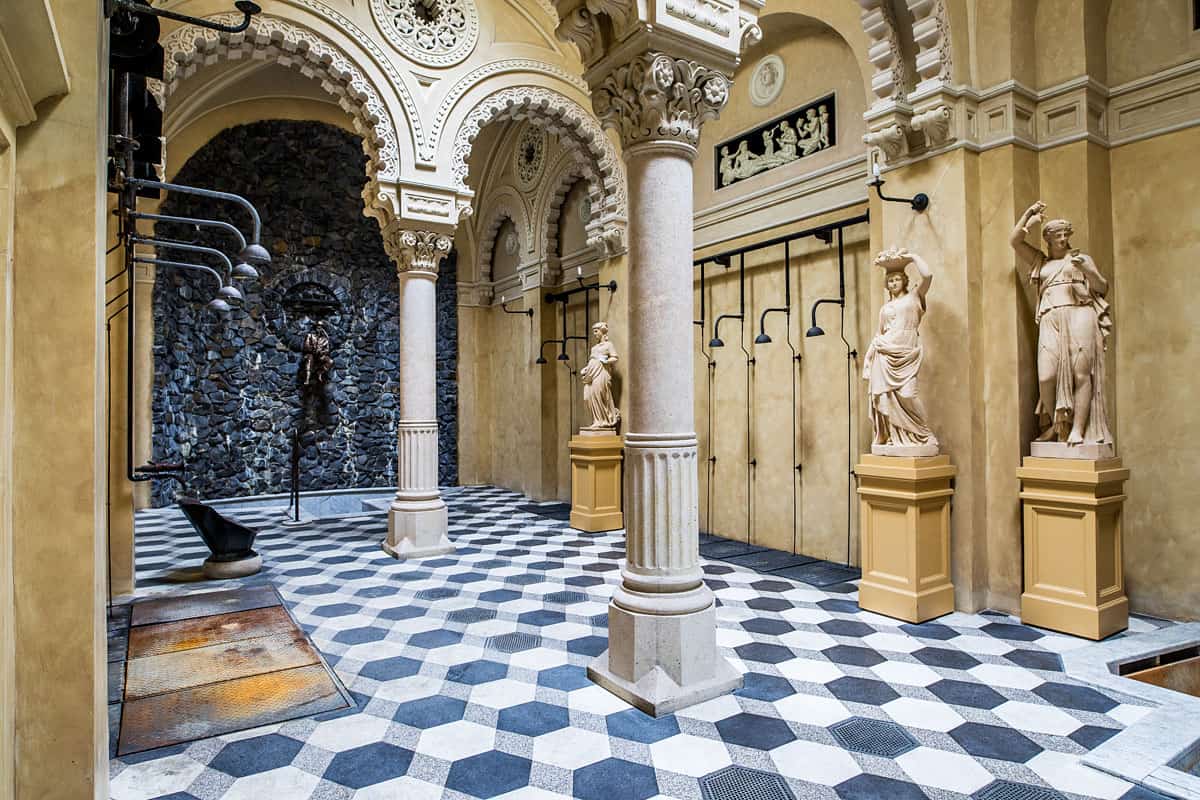
- • The complex underwent a massive and beautiful restoration in the 2000s, turning the interior into a luxurious spa featuring ornate columns, statues, and traditional octagonal thermal pools.
- • Despite its stunning and complete restoration, the bath has remained famously closed to the public for over a decade due to ongoing legal and administrative disputes.
Budapest is pretty known for its baths, and amongst them, a quartet of Turkish spas stand out. Király, Veli Bej, and Rudas are all renowned and busy baths on the Buda side, but there’s one that has recently been ignored by wider audiences. You won’t read too much about Rác bath in the reviews nor will you find too much information about it – so, we thought we’d give you a glimpse into one of the forgotten gems of Budapest’s sprawling spa tourism.
A historical recap
Before we dig deeper to uncover the mystery surrounding Rác bath, let’s brush up on the historical background of the place. Dating back to 1572, the first iteration of the building and its distinguishable dome were erected by Ottoman architects. Initially it was called “Küçük Ilıca” (which means Little Bath in Turkish), and although having many names throughout the centuries, its most widespread name was inspired by the Serbian people (or rác people) living in the vicinity.
Later on, in the 19th century, renowned architect Miklós Ybl (known for designing St. Stephen’s Basicilia and the Opera House amongst many others) added one of the most stunning features of any bath you can see in today’s Budapest. The famous Ybl-cupola and the shower corridor were majestic additions to the already stunning building – unfortunately, due to the bombings in WW2 less than half of these could be renovated.
Present day issues
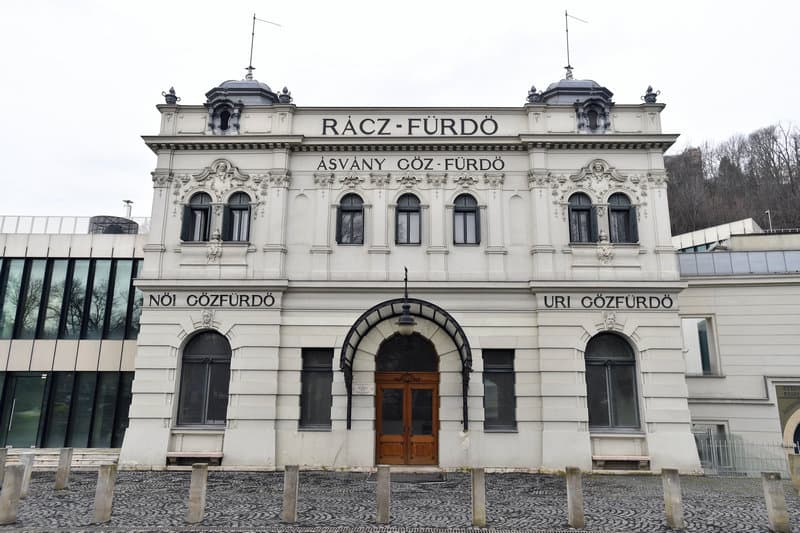
So, it’s time to address the elephant in the room: why would such a venerable building become so obscure in a city famed for its hot springs and spas? Rác still sits upon a massive reservoir of thermal water (actually, it has two massive thermal springs), and its building is intact. When you pass by the entrance, it doesn’t seem like an abandoned building at all. But just like in the case of many other historical buildings, Rác has become a victim of delayed projects, missing funds, and constant squabbles among investors.
After closing its gates in 2002, its re-opening was delayed by no less than 6 years. 2010, however, marked the year of even more issues: an investigation was launched against the company running the project, which resulted in more disputes, growing financial concerns, and eventually bankruptcy. To this day, Rác is closed to the public due to legal disputes despite being fully refurbished and expanded.
Pools and services
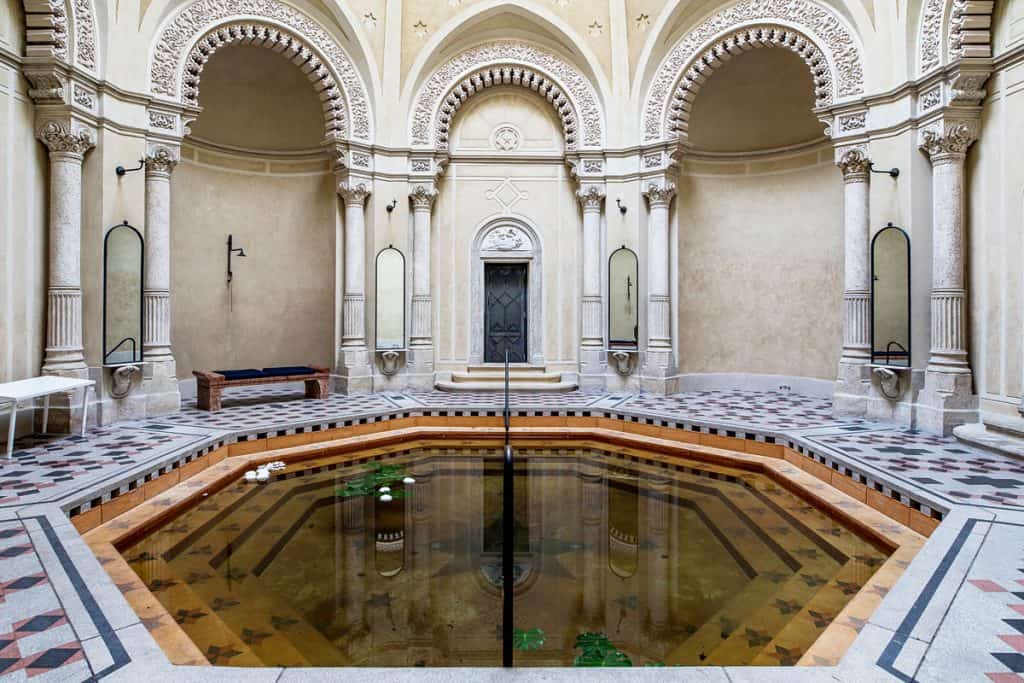
Although currently closed, Rác is equipped with a lot of pools visitors will be able to choose from. Thanks to its recent renovation, there are currently 13 fully functional pools, several saunas, resting areas, open-air sunbathing spots, and even a separate VIP section to kick it up a notch. Its healing waters contain several minerals, so it’s no wonder that spending a few hours in its spas is recommended for medical purposes and casual use alike.
Fun facts
As part of the recent renovation, a five-star hotel has been added to the building. Alas, just like the bath itself, the hotel remains closed until the legal dispute is settled. Also, the above-mentioned VIP section is inspired by Roman architecture: the Flóra bath was first built in 1865, but since its renovation, owners decided to make it only available for premium customers.
Getting there
Rác is close to everything: you basically need to get on tram line 19 if you’re accessing it from the Buda side, or take bus line 5 from Pest and get off a few steps from the building. It’s also within walking distance from downtown Budapest, so it’s easy to get here within 15 minutes from most of the frequented landmarks. Alternatively, you can get off the Hop on Hop off ride either on the way to Gellért Hill or the way back from there.
The flipside
Needless to say, as cool as it looks like both from the outside and the inside, Rác remains a bath outside of reach. Recent news suggested the entire building will be auctioned, which means that its doors will remain closed for some time.