Tokaji Aszú: A sweet journey into Hungarian history

Discover Tokaji Aszú, the legendary sweet wine of Hungary, on JustBudapest.
In a wine country like Hungary, where locals have obsessed over creating the perfect bottle of wine since 1000 AD, there are bound to be a few favorites. From the endless list of rich reds and refreshing whites, you have your Bikavér (“bull’s blood”) wine from Eger and your Cabernet from Villany. But there’s one that stands out from them all, the King of Hungarian Wines — Aszú from Tokaj. Before Tokaj was even officially named a wine region, Aszú was world famous. For a time, it reigned supreme, beloved by royalty and coveted for its perfect golden color and deliciously sweet aroma. Today Tokaji Aszú wine remains a classic Hungarian wine and a must-try next time you’re in a Budapest wine bar.
- • Tokaji Aszú is a prestigious, amber-colored sweet dessert wine produced in the Tokaj wine region of northeastern Hungary.
- • Its unique sweetness comes from the noble rot (Botrytis cinerea), carefully hand-picked shriveled grapes known as ‘Aszú’ berries.
- • The sweetness level is measured in ‘Puttonyos’ (from 3 to 6). The higher the number of puttonyos, the sweeter and more rare the wine.

The sweet story of Aszú
Long ago, an ancient volcano ravaged the valley of Tokaj. But from its eruptions burst forth a rich, fertile soil, and its sun-drenched volcanic slopes offered the perfect conditions for growing grapes. Furmint and Hárslevelű grape varieties became the favorite. Soon enough, the people of Tokaji learned that their ‘Indian Summers’ — that beautiful warm season between summer and autumn, was the right time to harvest the grapes. In the humidity, a grey fungus covers the over-ripe grapes without drying them out, turning them into raisin-like ‘Aszú berries.’ This process is what we now know as ‘noble rot’ or ‘botrytis’. Surprisingly, it is this unique fungal transformation that makes the grapes extra sweet and the wine golden and syrupy. The people of Tokaj put them to good use. Tokaji Aszú was born. To protect their ‘golden elixir’, they set up the very first vineyard classification system in 1730, 120 years before Bordeaux.

For centuries it held fast to its title as the world’s best sweet wine. King Louis XV of France rightfully named it the ‘King of wines, the wine of kings.’ Queen Victoria of England reportedly received 12 bottles of Aszú for her birthday every year — 12 for each month of the year. It became so celebrated among the upper classes, that it became impossible for anyone without status to get a bottle. Then, the Soviets occupied Hungary in the late 20th century and Tokaj fell out of sight, out of mind from the rest of the world. When communism fell and the market reopened in Hungary, Tokaji Aszú was born again. Today, the wine makers of Tokaj are working hard to rebuild and regain their title as the world’s best sweet wine. You can find a gorgeous bottle of Aszú in many wine bars and shops throughout Budapest, and the rest of Hungary.

Order a glass of the Golden Elixir
Aszú is such a uniquely sweet wine that many are left wondering how to drink it. With reds, it’s best to enjoy a hearty steak, and with dry whites, fish is best. But what do you pair with a sweet wine? Start by pouring yourself a small glass, smaller than your normal glass of wine. The bottle should be chilled, but warmer than your average white wine — about 54-59 °F (12-14 °C). The syrupy Aszú should fill the bottom of your glass like warm, wet honey.
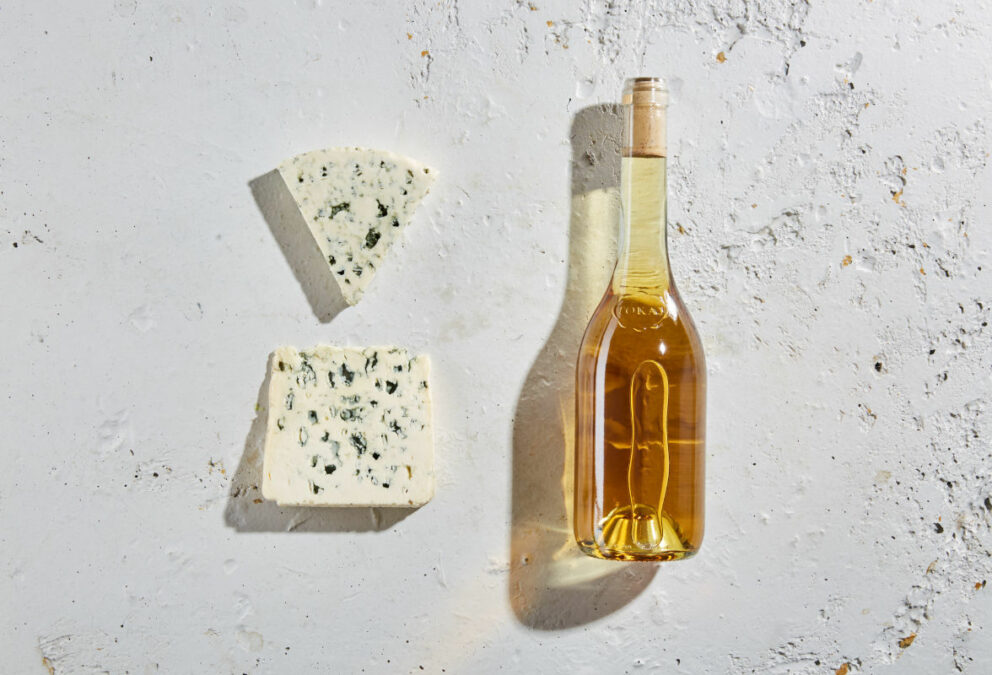
To enjoy a wine fit for kings, pair with goose or duck liver parfait — or a cheese plate for something a little more casual. Most Hungarians would recommend drinking Aszú in place of a dessert, but if you have a real sweet tooth, pair it with dark chocolate mousse or caramelized apples.
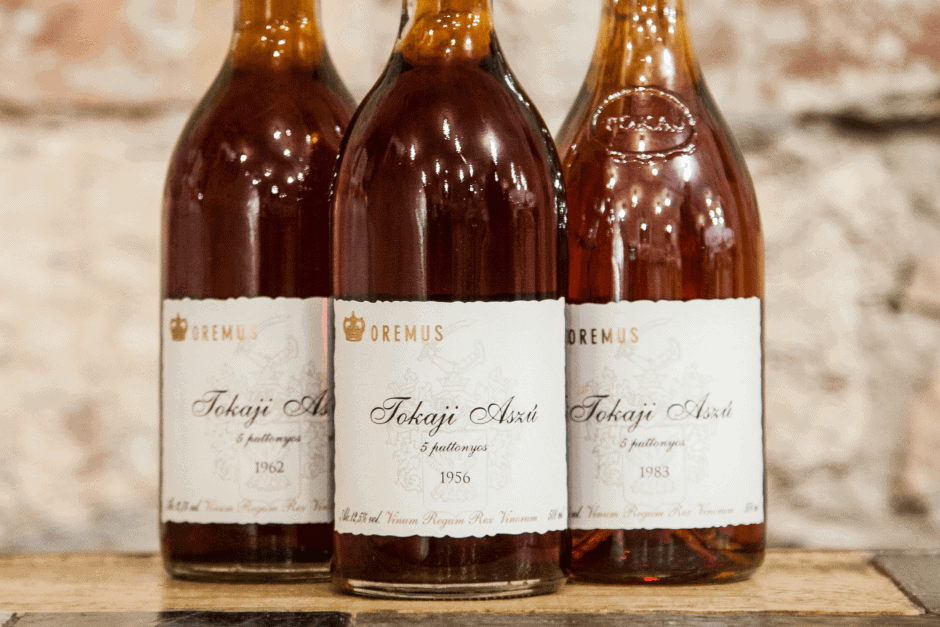
Whenever you order or buy a bottle, be sure to look out for the word ‘Puttonyos’ on the label. This is the unit used to measure the number of groupings of botrytized grapes in the wine, and the more of them, the greater the concentration of residual sugar — essentially, it measures the level of sweetness. The higher the puttonyos, the sweeter the wine and the deeper the hue. Wines with 5 or 6 puttonyos are historically the best.
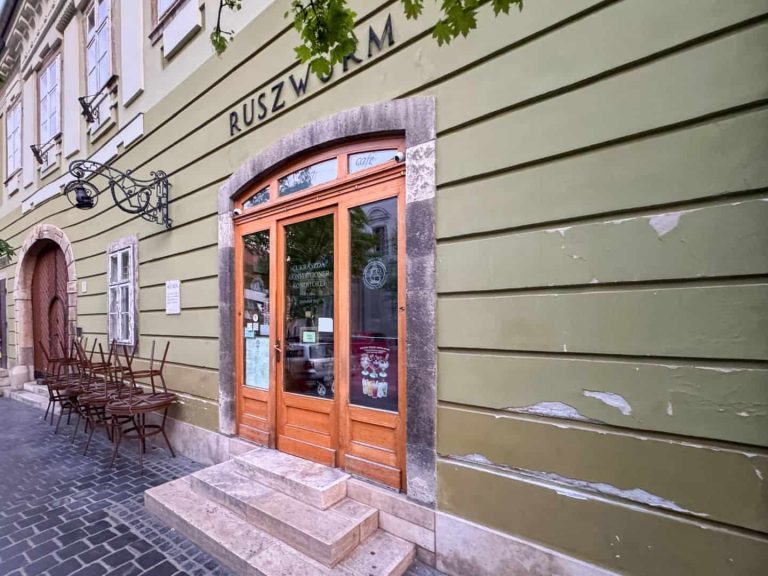
There are also vineyards to look out for, such as Birsalmás, Betsek, Barát, Szent Tamás, Nyulászó, Lapis, Úrágya and Király, to name a few. In Tokaj, there are countless wine cellars to visit, but you can get an authentic experience in Budapest, too. Try one of the many wine bars, such as Kadarka or DOBLO, both located in the easily accessible 7th district.
Don’t miss your chance to try Aszu
While the name Tokaji Aszú is quickly becoming a household name once again, the vineyards of Tokaj are facing a challenging future. With climate change on the way, the vineyards are already suffering. It’s speculated that the number of years with the right conditions for botrytis have been cut short — possibly even halved. As the earth warms up, there’s no telling how the Aszú berries will survive. That’s why it’s more important than ever to experience this cornerstone of Hungarian culture and history before it’s gone, and to support the Tokaji wine makers in upholding their ancient craft. So, the next time you’re in Budapest, don’t miss your chance to sip on the golden elixir, the king of wines and wine of kings — the mighty Tokaji Aszú.
Frequently Asked Questions
What does a Puttonyos mean on a Tokaji bottle?
A 'puttony' was a wooden basket used to collect the picked, noble-rotted Aszú grapes. The number on the bottle (e.g., 5 Puttonyos) indicates how many baskets of these sweet grapes were added to a standard barrel of base wine during fermentation. Higher numbers mean sweeter, richer wine.
Why is Tokaji Aszu called the 'Wine of Kings'?
King Louis XIV of France declared Tokaji Aszú 'Wine of Kings, King of Wines'. It was served at royal courts across Europe, including to Queen Victoria and the Russian Czars.
How should you drink Tokaji Aszú?
It is best served chilled (around 10-12°C) in a small dessert wine glass. It pairs with blue cheese, foie gras, or fruit-based desserts, but is often enjoyed on its own at the end of a meal.