Discovering the history of Budapest
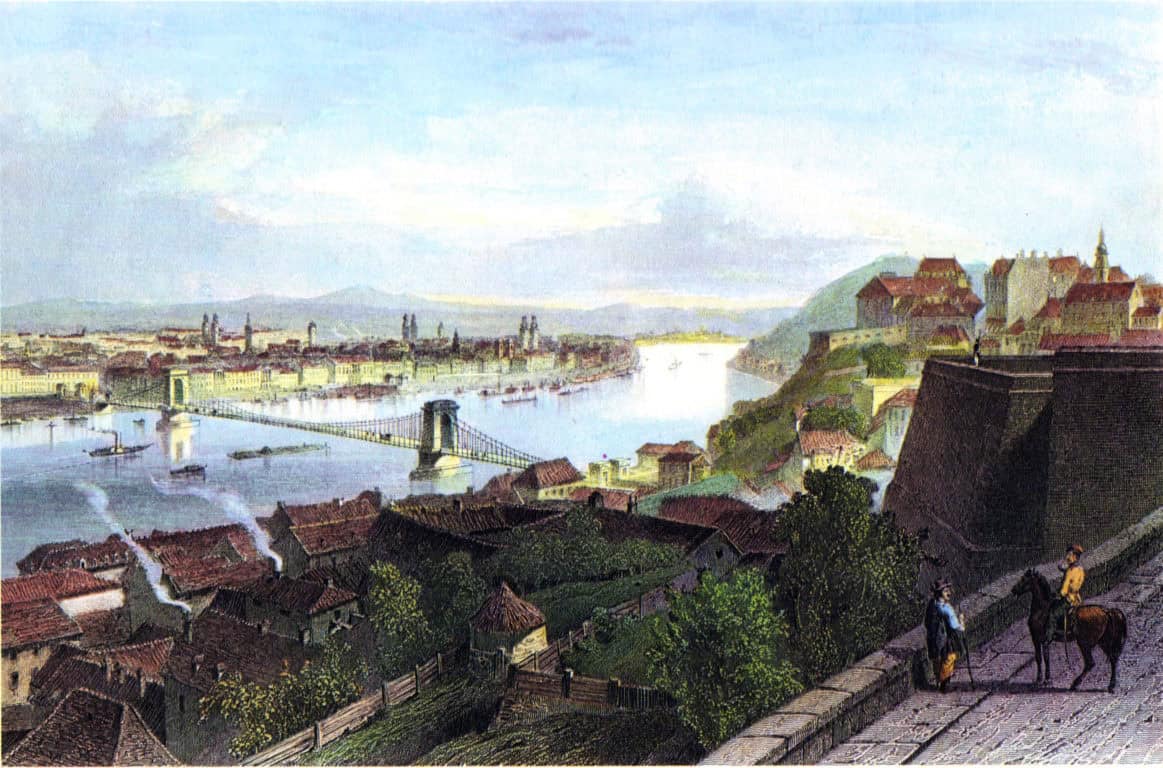
Discover the rich and varied history of Budapest. Learn about the famous historical landmarks of one of the most fascinating cities in Europe.
- • The history of Budapest spans over 2,000 years, beginning as the ancient Roman settlement of Aquincum, established around 89 AD in what is now the northern part of Buda.
- • The modern city of Budapest did not actually exist until 1873, when the three separate historic cities of Buda, Pest, and strict Óbuda were officially unified into a single metropolis.
- • Through the centuries, the city’s architecture and culture were heavily shaped by devastating Mongol invasions, 150 years of Ottoman Turkish rule, the Golden Age of the Austro-Hungarian Empire, and the destruction of WWII.
Budapest has a vast and varied history. Much like the famously unique Hungarian language, the history of this city stands out from our European neighbors and is closely tied with our culture. Wherever you go, you’re sure to encounter a piece of the past – whether it’s an unassuming statues of Budapest or a scarred, battle-worn building. So, let’s take a stroll through our streets and find the best places to discover the history of Budapest.
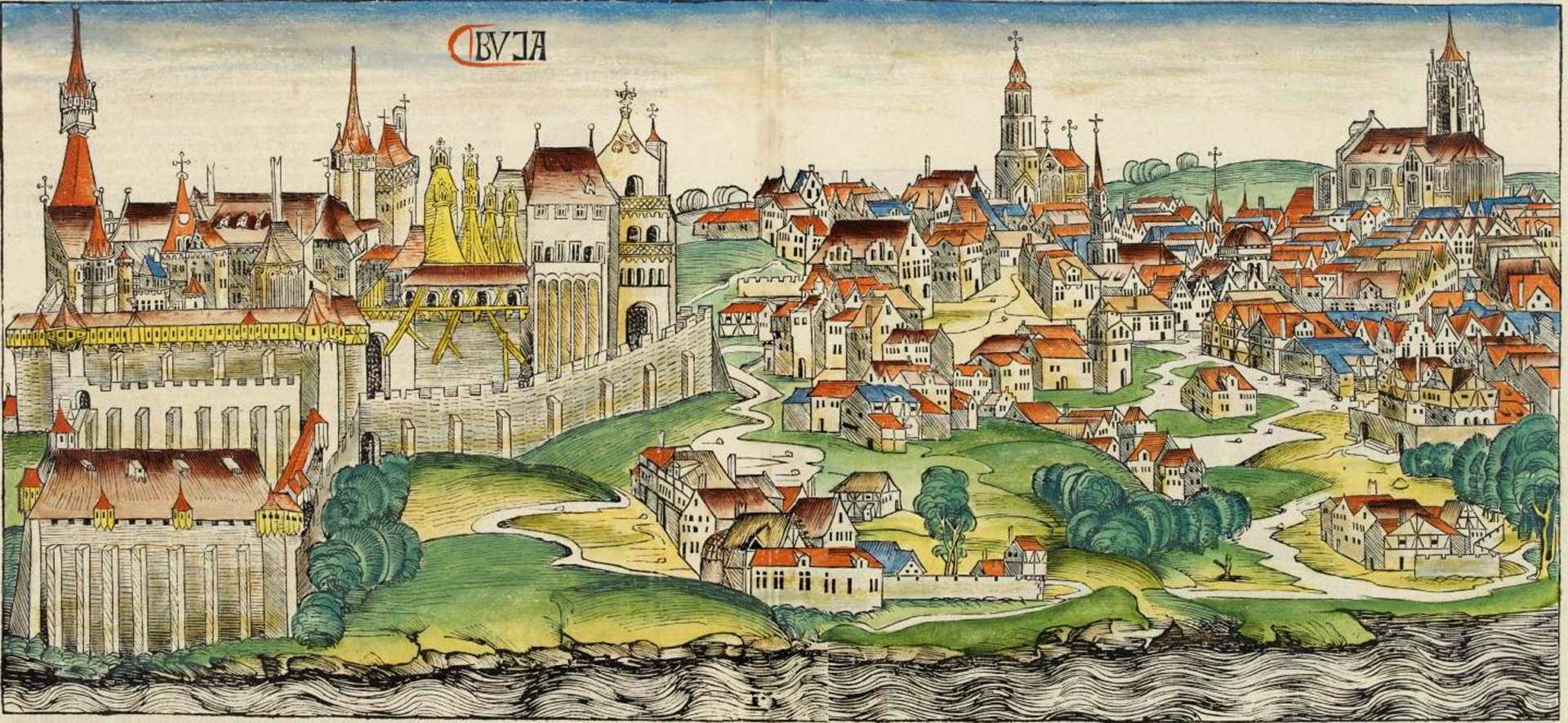
Ruins of the past: Ancient history
The Golden Age: Austro-Hungarian Empire
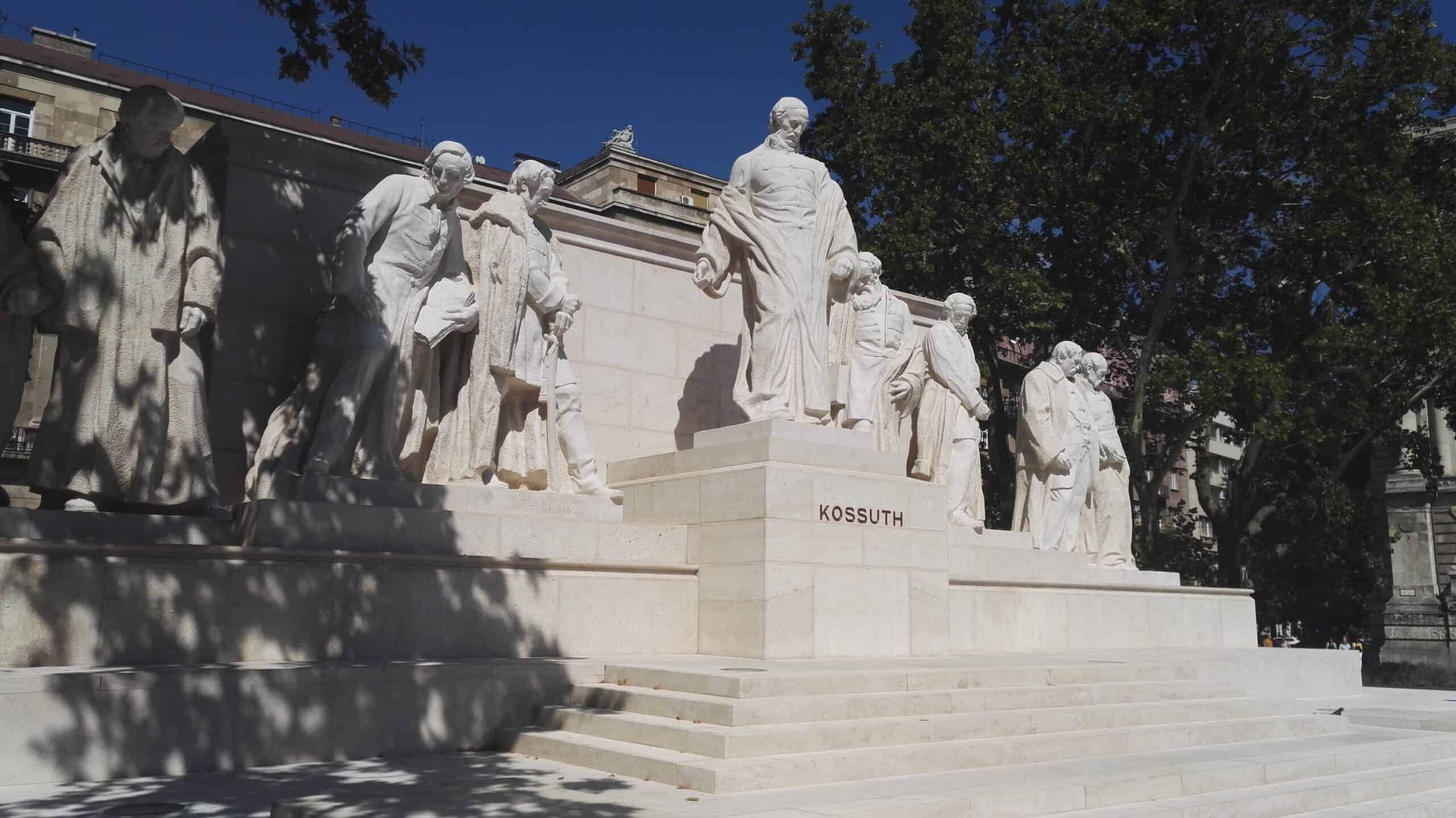
Throughout the history of Budapest, we’ve endured many conquests. In driving out the Ottoman invaders, Hungarians fell under the rule of the Habsburgs, during which their language and way of life was oppressed. In 1848, Lajos Kossuth and Lajos Batthyány led an inspiring revolution that was brutally repressed. You can also visit the Kossuth Memorial behind the Parliament.
It did however lead to greater autonomy, forming the Austro-Hungarian Empire. The era that followed was one of great prosperity, eventually leading to the merging of Buda, Óbuda and Pest into the Budapest we know today.
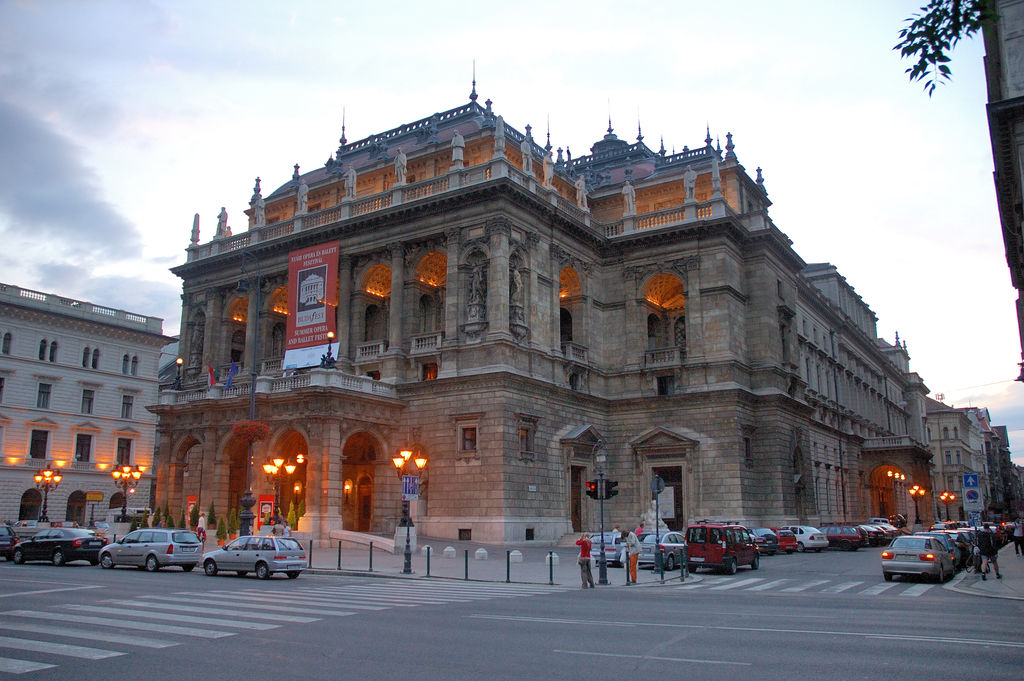
The majesty of the Habsburg Empire lives on in many iconic Budapest landmarks. Take some time to stare at the beautiful Parliament, grand Buda Castle and the glorious Hungarian State Opera House.
The fight for freedom
WWII and the Holocaust
In March 1944, Nazi Germany invaded Hungary. For some time, the 200,000 Jewish people who lived in Budapest avoided persecution – until October, when the puppet government under the Arrow Cross Party began mass deportation to concentration camps.
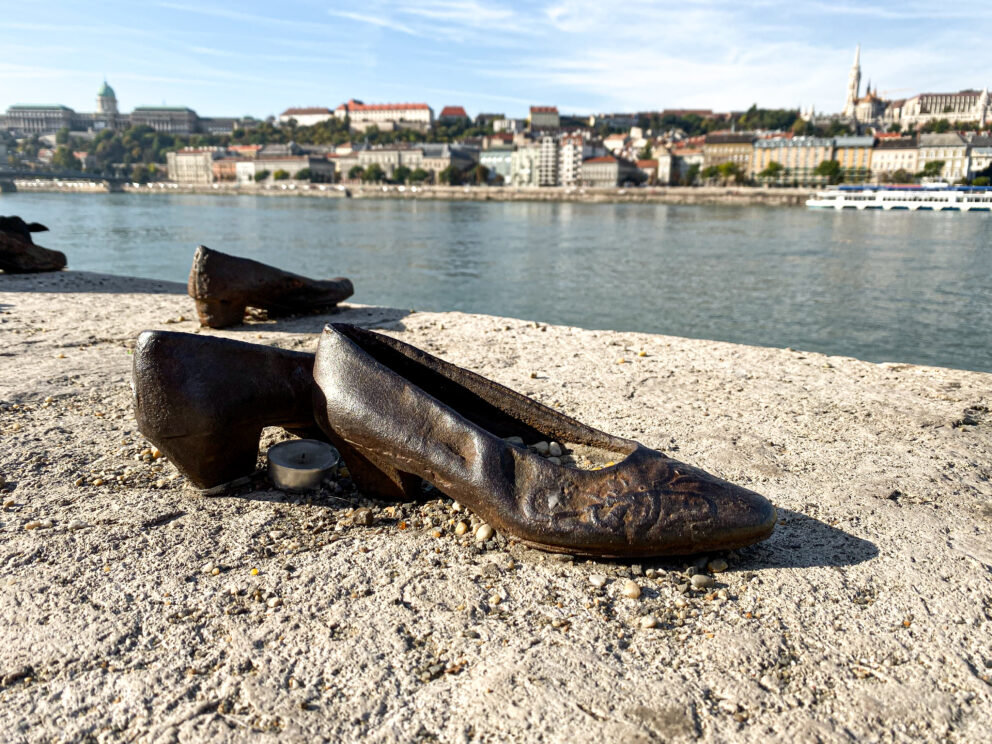
The remaining Jewish population in Budapest was forced into a Jewish Ghetto, formed within the old Jewish Quarter of the 7th district. By 1945, 20,000 had been taken from the ghetto, shot at the banks of the Danube and thrown into the river. Hundreds of thousands more lost their lives in Auschwitz and other concentration camps in Europe.
When walking from Parliament to the Chain Bridge, take a moment to solemnly observe the Shoes on the Danube, a monument to the victims of the Arrow Cross. (The Shoes on the Danube Bank is one of the top 7 most iconic sights along the Danube.)
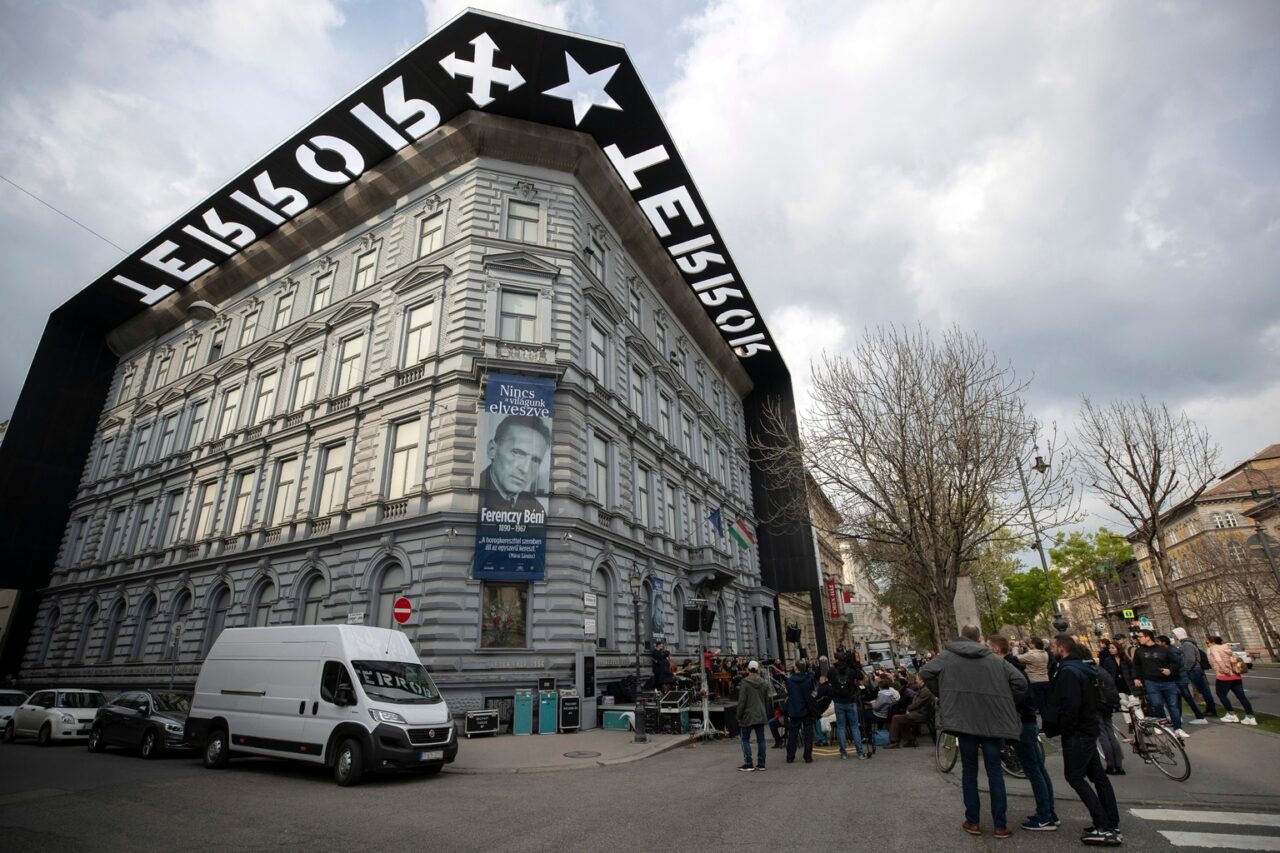
And while you explore Budapest, specifically the Old Jewish Quarter, look out for the ‘Stumbling Stones’— small brass stones embedded into cobblestone streets that commemorate the victims of the Holocaust. It’s also worth spending a day at the incredible Terror House museum, the former headquarters of the Arrow Cross, as well as the Dohány Street Synagogue Holocaust Museum. Actaully, Budapest has many museums which are worth to visit.
Interested in the history of the Jews in Budapest? Explore the Jewish district on a walking tour.
Soviet occupation
In 1945, the Siege of Budapest ended Nazi occupation, taking with it 38,000 civilian lives. So began the Soviet occupation of Hungary. For more than four decades, the Soviets ruled over Budapest, sending thousands to the gulags and work camps. By 1956, the Hungarians had had enough. Thousands of students revolted on October 23, sparking a nationwide revolution. The Soviets responded by sending in a devastating army of tanks. By November 10, the revolution had been brutally crushed and at least 300,000 had been killed in Budapest alone.
Today you can still see the bullet holes in the Ministry of Agriculture behind Parliament, as well as on other buildings dotted around the city. While you’re there, drop in the 1956 In Memorial Exhibition a few feet away.
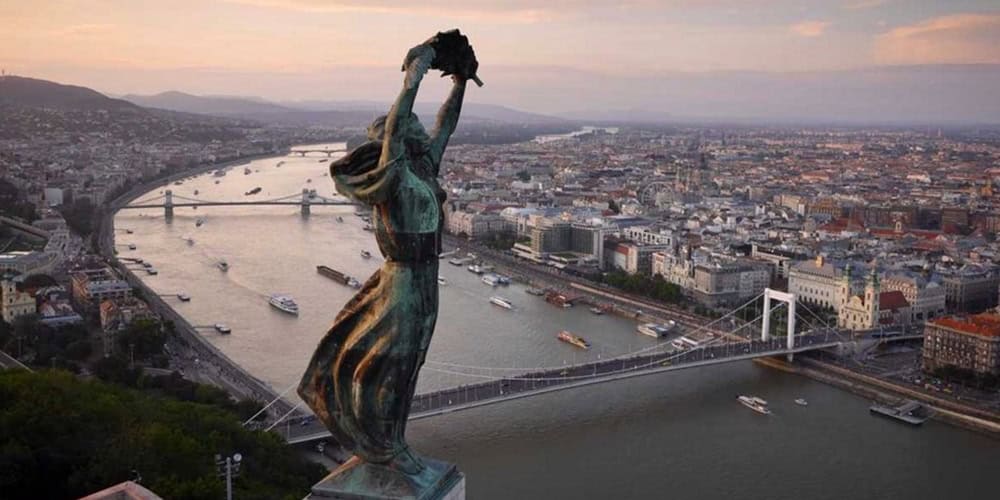
Like the rest of Europe, Budapest had to wait until 1989 to send the Soviets packing. After that, Soviet statues and monuments were torn down and destroyed – but a few survived. Look up from any high-rise and you’re sure to see Liberty Statue, standing proudly for all those who sacrificed their lives for independence and freedom. Visit Memento Park on the outskirts of the city to see a bust of Lenin, the boots of Stalin and the colossal Liberation Army Soldier
Budapest of the 21st century is dotted with windows to our long and storied past. As you explore this beautiful city, look up and keep an eye out – the history of Budapest is all around, just waiting to be noticed.
FAQ
When was Budapest officially formed?
What marks the Roman origins of Budapest?
In 89 AD, the Romans established Aquincum in what is now Óbuda, turning it into a key military and trading hub with public baths and amphitheaters built over thermal springs. Ruins of this era remain visible today in the Aquincum Museum area.
What key events define Budapest’s 20th-century struggles?
The city endured Nazi occupation in 1944 leading to the Holocaust ghetto in the 7th district, followed by the 1945 Siege ending WWII, Soviet rule, and the crushed 1956 revolution with visible bullet scars on buildings. Memorials like Shoes on the Danube and the Terror House commemorate these dark periods.
More interesting and useful tips
If you are looking for the most atmospheric Irish bar in Budapest, this list is just for you!
Don’t miss the chance to taste the famous Hungarian drink, Pálinka.
If you’re looking for a pleasant stroll around the famous Heroes Square, you should first read our article on the subject to truly appreciate this endlessly beautiful architectural masterpiece.