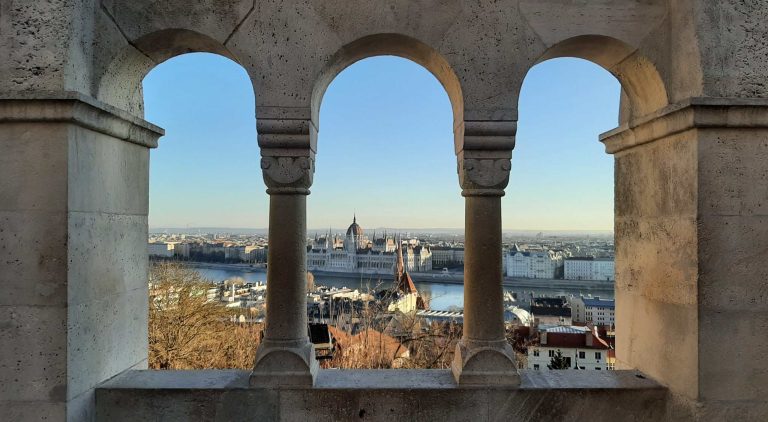
Where is Budapest located?

Are you planning a visit the capital of Hungary but you are not sure where to find it? Read the article and find out more!
- • Budapest is the capital city of Hungary, located in the heart of Central Europe. It is situated along the Danube River, which famously divides the city into two distinct parts: the hilly, historic Buda on the west bank, and the flat, bustling Pest on the east bank.
- • On a map of Europe, Hungary is landlocked and bordered by seven countries: Austria, Slovenia, Croatia, Serbia, Romania, Ukraine, and Slovakia. This central geographical position makes Budapest a major European transportation hub that is very easy to reach by air, train, or bus.
- • Travelers mostly arrive at Budapest Ferenc Liszt International Airport (BUD), located about 16 km southeast of the city center. For overland travel, Budapest has major international railway stations (like Keleti and Kelenföld) offering direct connections to Vienna, Prague, and Munich.
Budapest is the capital of Hungary. It was formed as a union of two cities, Buda and Pest, located on the opposite shores of the Danube River. This is all you should know for the time being, but let’s analyse the question in details: “Where is Budapest?”.
If we zoom out, we will see that Budapest is located in central Europe, surrounded by the Carpathians.
Where is Budapest within Europe?
Budapest is located in central Europe, surrounded by the Carpathians. Since the capital can be found in the very heart of Europe, it has got a lot of neighbouring countries and capitals. Looking at the map clockwise, starting with Austria the following countries share the borders of Hungary: Slovakia, Ukraine, Romania, Serbia, Croatia and Slovenia.
Hungary is part of the EU and the Schengen Treaty as well.
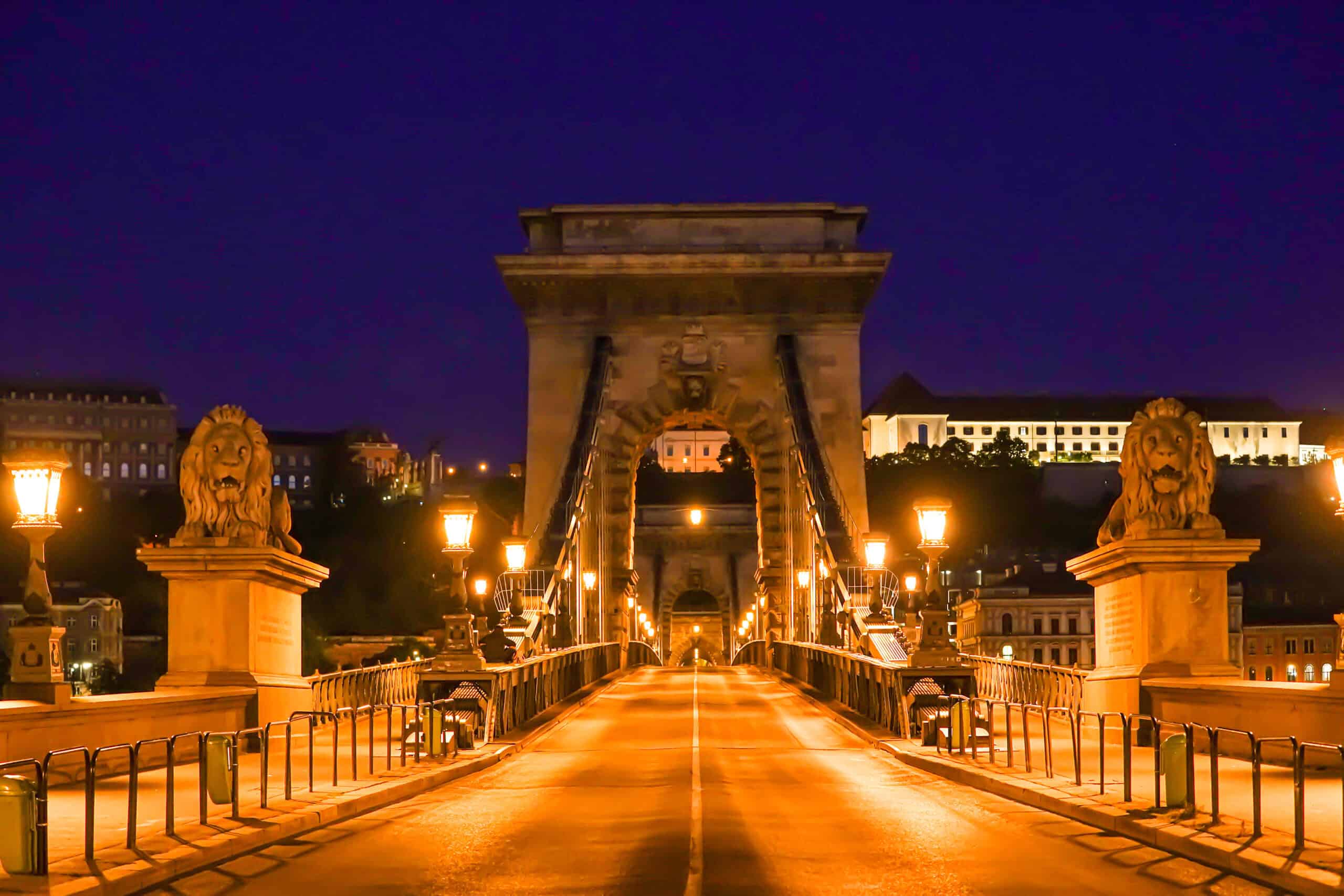
Where is Budapest within Hungary?
The city has a central position in Hungary and is surrounded by several other smaller or bigger towns. Budapest is surrounded by settlements of the agglomeration in Pest County.
Some of the popular neighbouring settlements of Budapest are: Budaörs, Dunakeszi, Csömör, Szigetszentmiklós etc.
Budapest is divided into two sides, Buda and Pest by the Danube which flows vertically across Hungary.
The Pest side is rather flat with all the buzzing bars, parks and vibrant nightlife, while Buda is the hilly, green, quieter residential area.
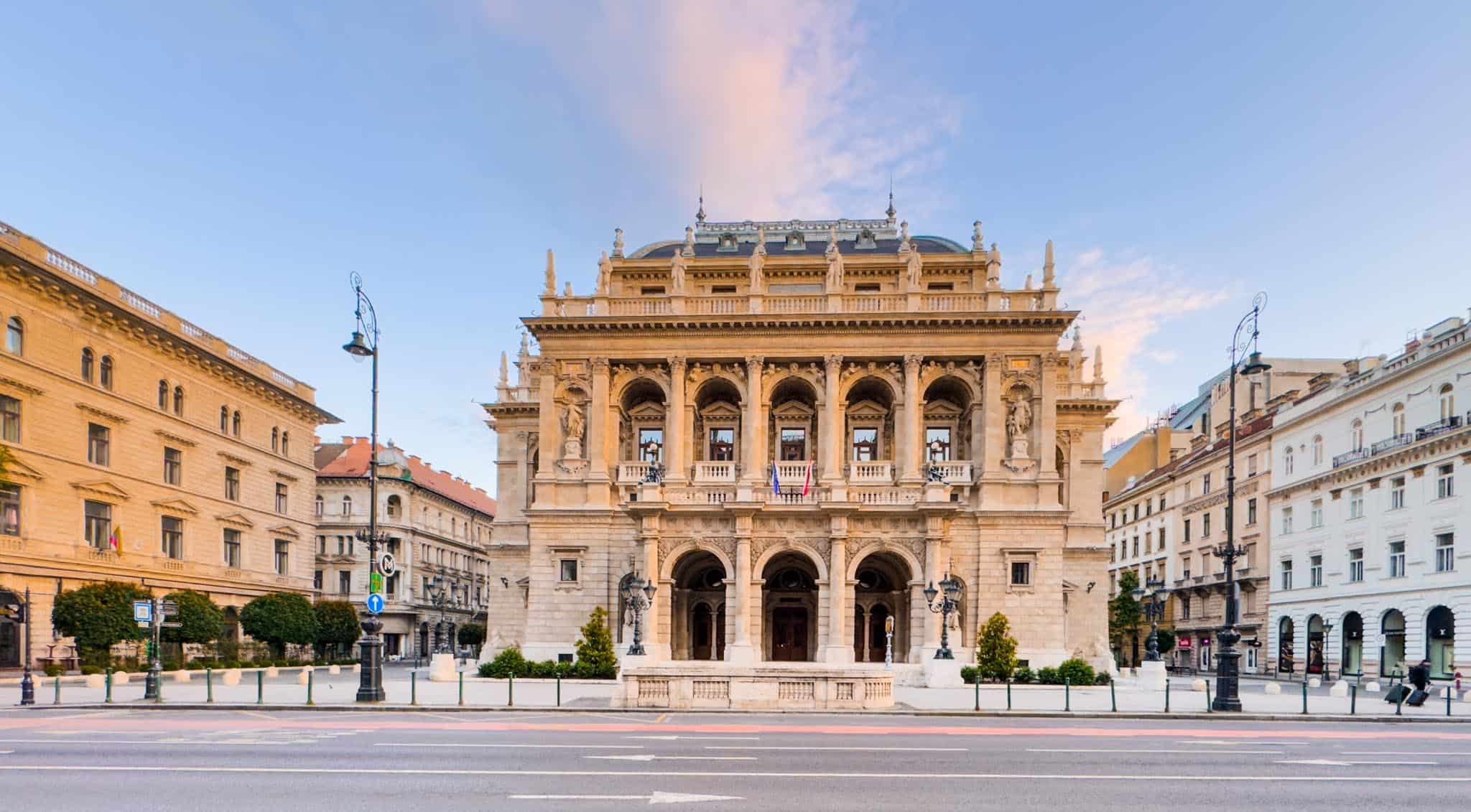
Did you know?
- The city is populated by roughly 1,7 million people, which makes it the biggest town in Hungary
- Its land area is about 525 square km
- Hungary has a temperate continental climate, with warm summers, cold winters and clearly distinguishable four seasons.
- GPS coordinates of Budapest: 47° 29′ 52.4868” N and 19° 2′ 24.8496
- It is good to know that the name of the country in Hungarian language is: Magyarország
- No one knows exactly where the Hungarian language came from
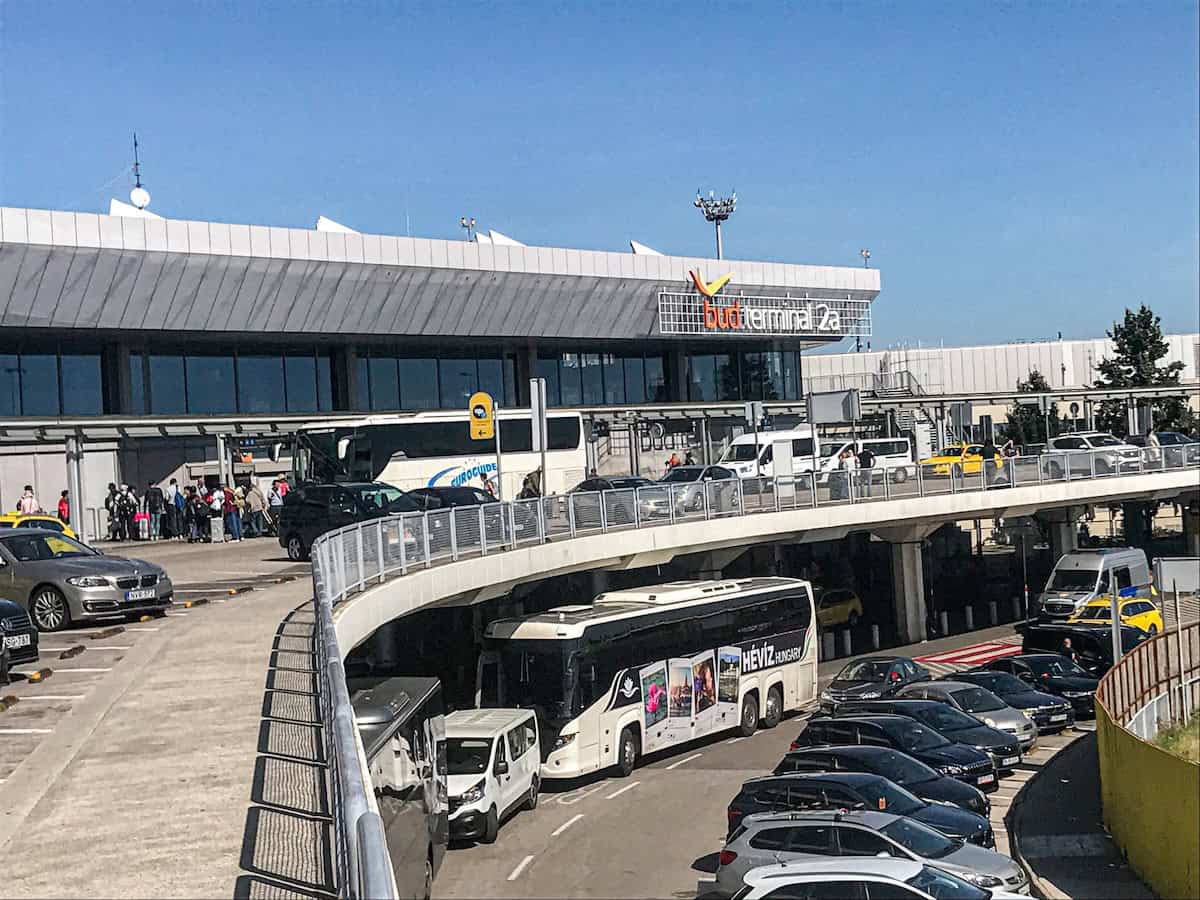
How to access Budapest
The good news is that thanks to its central position Budapest can be easily accessed by many means of transportation:
Car
- Coming to Budapest: The road infrastructure is pretty good in Hungary. After having crossed the border you can easily get to Budapest by driving on one of the many highways that link the capital to the other parts of the country.
- In the city: The traffic in downtown Budapest tends to be very busy and rush hours are quite unpleasant. Parking is not free in the city center, you have to pay a parking fee usually between 8am and 8pm depending on the rules of the local governments of each district.

Train
- Coming to Budapest: There are 3 main railway stations (Nyugati, Keleti and Déli) in Budapest that link the capital to other foreign cities.
- In the city: In some cases, you can save time if you take the train to another destination in Budapest. If you have a valid Budapest travel pass, you can use certain suburban (HÉV) and commuter trains within the city limits free of charge, but only on sections where the pass is officially valid.
Bus
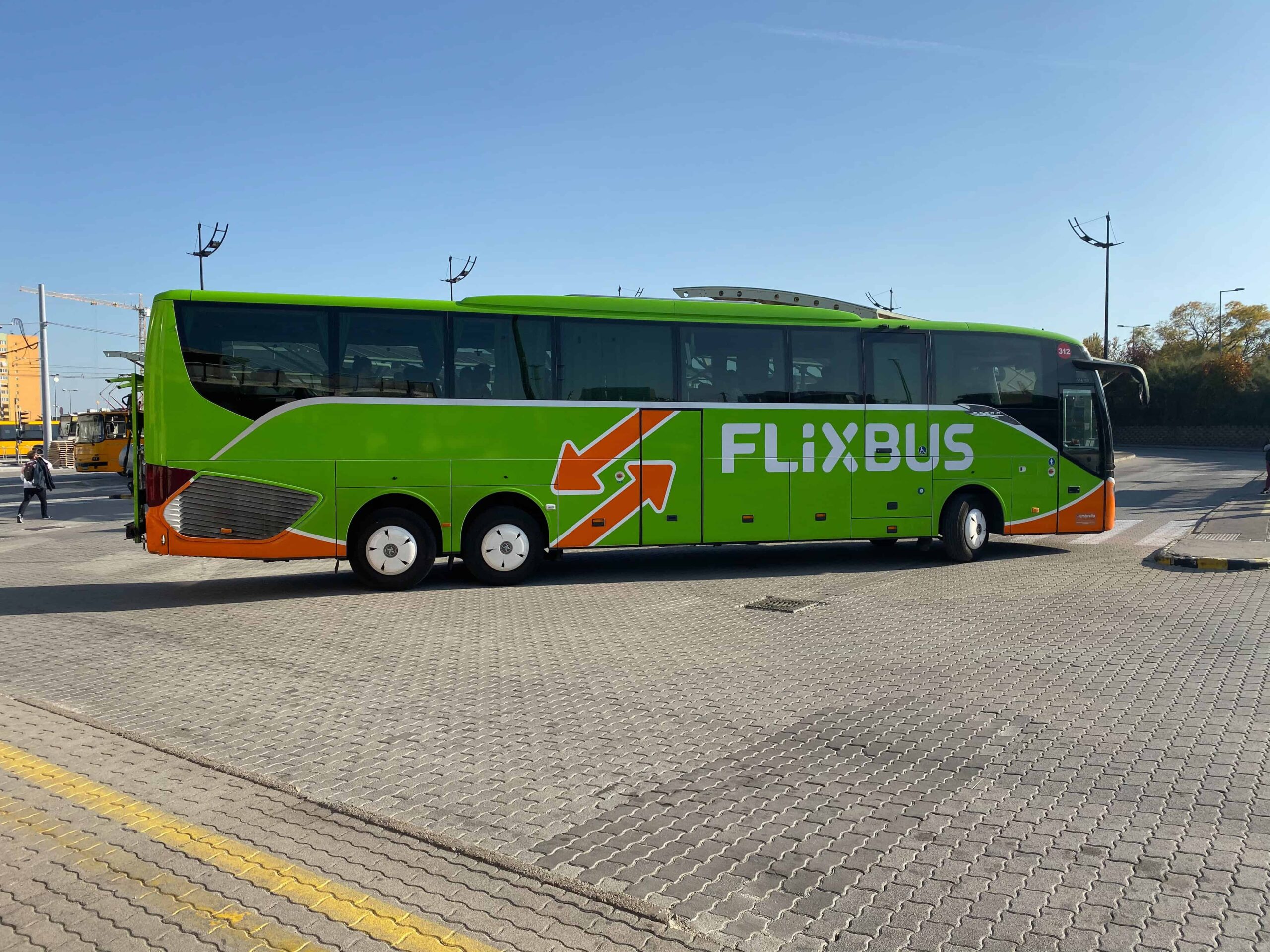
- Coming to Budapest: You can visit Budapest by taking a coach. Most coaches come to one of the 2 big bus stations (Népliget or Kelenföld)
- In the city: Public transport is very reliable, convenient and pretty cheap in Budapest. You can easily reach any destinations within the city by bus, metro or tram. You can purchase the Budapest Card, which offers additional discounts.
Airplane

Boat
- Coming to Budapest: You can take a boat travelling from Austria through Budapest to the Black Sea.
- In the city: There are a lot of docks at the Danube bank. Going on a boat trip is a must-do activity when you visit Budapest.
Budapest on the map
Summary
I hope by now you are familiar enough with the location of Budapest to be able to decide how and when you want to visit the capital. Budapest is a lovely hidden gem of Europe that you must come to once in your lifetime. Let us give you some tips for choosing your means of transportation to Budapest from London.
When you arrive in Budapest, you can choose from numerous programs. Visit Budapest’s museums and art galleries, or learn about Budapest’s history. If you feel like shopping, stroll along Budapest’s shopping streets, or visit the Budapest Christmas market in winter. Numerous sightseeing tours are available, such as “Discover Budapest in 1, 2, or 3 Days” or the hop-on, hop-off bus tours.
On our website, you can also read about where it’s worth buying groceries or where to find the most delicious pastries.
In Budapest, you’ll find numerous Chinese restaurants that welcome guests with delicious food in a pleasant atmosphere.

More interesting and useful tips
Do you want to know everything about the Hungarian currency? Check our article in the topic!
Where is Hungary? Read some useful facts about the country.
If you’re looking for a pleasant stroll around the famous Heroes Square, you should first read our article on the subject to truly appreciate this endlessly beautiful architectural masterpiece.
Parking Budapest – check out our article on this topic to avoid fines and find the best parking spots, even for free.
For more useful information, read the tourist information about Budapest, which provides plenty of helpful details about the city.
It’s important to know that in Hungary, you can only buy tobacco products in tobacco shops. Check out where you can find these shops!
Where to Go Next: Local Tips for Practical City Guide, Money, Shopping Malls & Safety
If you are putting together your itinerary, we recommend browsing international stores inside the biggest shopping malls in Budapest, checking real-time weather and crowd levels via live Budapest webcams over the Danube and Deák Square, or combining wellness recovery with internationally accredited clinics in our guide to dental care and medical tourism in Budapest. To experience even more of the city like a local, consider knowing where to find coin and card-operated restrooms with our guide to finding clean public toilets in Budapest, checking museum and supermarket closures on Hungarian public holidays and shop opening rules, as well as picking up international stamps and finding red mailboxes for sending a postcard from Budapest.
Many visitors also pair this stop with keeping up with local current affairs through English-language Hungary news portals, exploring our local guide to Budapest Culture and Etiquette, and exploring our local guide to Best ways to get WiFi and mobile internet in Budapest, Hungary. For those with extra time in the capital, it is well worth exploring our local guide to Budapest’s Allee Mall has got it all, exploring our local guide to Primark Budapest, or exploring our local guide to Tipping.
FAQ
Where exactly is Budapest located?
Budapest is in Central Europe, in the northern part of Hungary, divided by the Danube River into the Buda and Pest sides.
Is Budapest easy to reach from abroad?
Yes. Budapest is well connected by air, train, bus, and highways, making it easily accessible from most European cities.
Which airport serves Budapest?
Budapest Ferenc Liszt International Airport (BUD) is the main airport, located about 16 km from the city center.
Is public transportation good in Budapest?
Budapest has a reliable and extensive public transport network, including buses, trams, metros, and suburban trains (HÉV).
Is Budapest part of the EU and Schengen?
Yes, Hungary is a member of the European Union and part of the Schengen Area, allowing border-free travel within participating countries.